
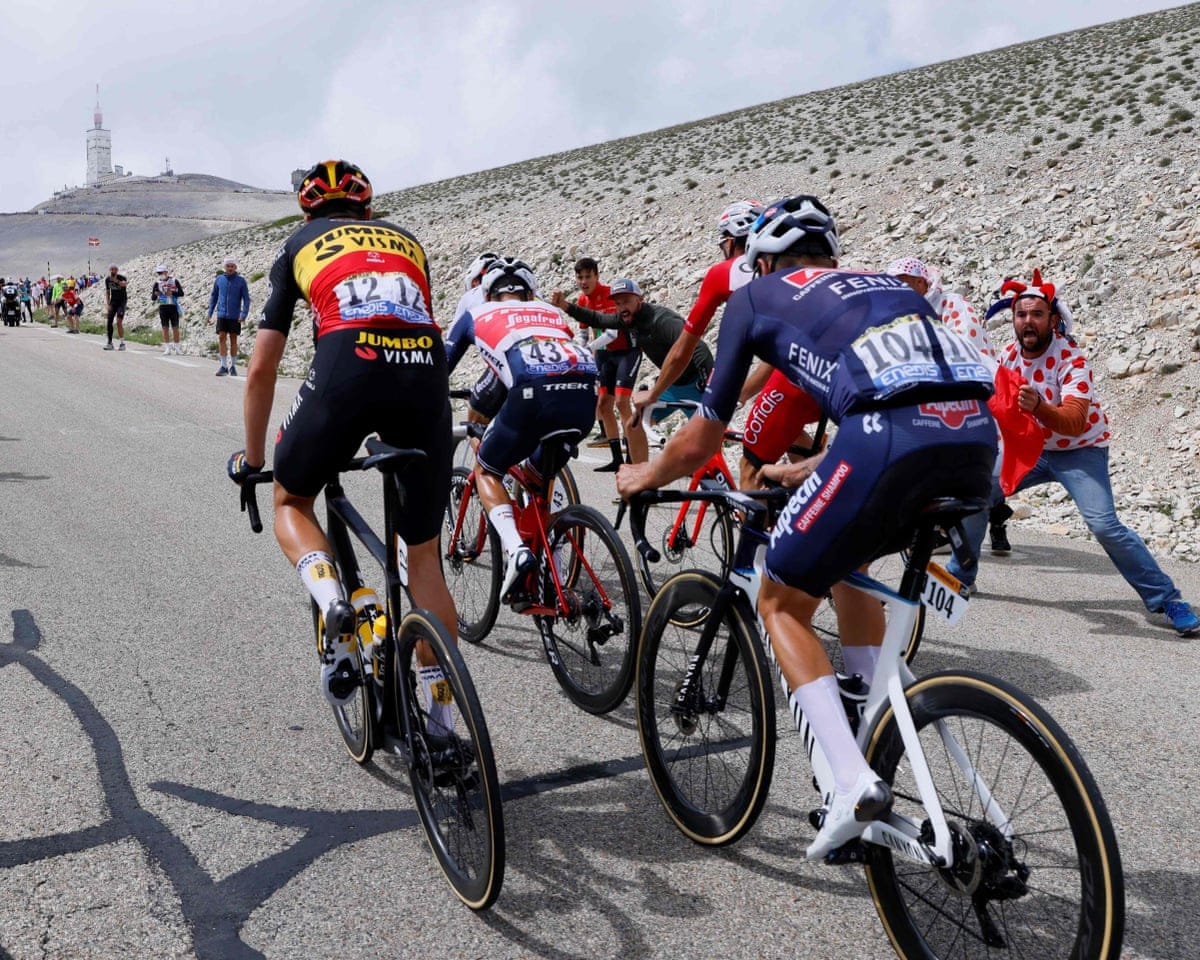
Stage one, Saturday 5 July: Lille Métropole to Lille Métropole, 185km
The climbs of Mont Cassel and Le Mont Noir are unlikely to break apart the main group, meaning a sprint finish is highly probable unless strong winds intervene. A westerly breeze could create chaos, exposing riders to crosswinds for more than 140km. However, if conditions remain calm, Jasper Philipsen, Tim Merlier, and other sprinters will face an early challenge. For the overall contenders, the priority is simply avoiding mishaps.
Stage two, Sunday 6 July: Lauwin-Planque to Boulogne-sur-Mer, 212km
A demanding finish awaits, with three short but steep climbs in the last 30km before an uphill sprint. The battle for position before these ascents could lead to falls, and a selection among riders is expected. This stage suits Mathieu van der Poel and Wout van Aert, while Tadej Pogacar and other general classification hopefuls will face another day of high tension. There’s a real possibility one of the leaders could abandon here.
Stage three, Monday 7 July: Valenciennes to Dunkirk, 178km
Another chance for the sprinters, featuring a repeat pass of Cassel, though crosswinds could still disrupt the race in the exposed final 35km if the weather turns. The Quatre Jours de Dunkerque, despite its name, is a six-day race well known among cycling enthusiasts. If the wind remains calm, a mass sprint in Dunkirk is likely. The early stages will be defined by nervous racing and inevitable crashes.
Stage four, Tuesday 8 July: Amiens to Rouen, 173km
Multiple short climbs lead into the finish, including the Rampe Saint-Hilaire—a steep 750-meter climb just 5km from the line. The Côte de Bonsecours, where Jean Robic made a famous late attack to win the 1947 Tour, adds historical flair, but such moves are rare in today’s era dominated by riders like Pogacar.
Stage five, Wednesday 9 July: Caen to Caen individual time trial, 33km
The first crucial test for overall contenders, this time trial runs through the rolling terrain northeast of Caen. With wide roads favoring powerful riders, Filippo Ganna is a strong candidate if in top form, while the favorites will aim to minimize losses. A strong performance here could even deliver the race leader’s jersey.
Stage six, Thursday 10 July: Bayeux to Vire, 201km
The Suisse Normande, once feared for its punishing climbs, will present a challenge in the final 70km with multiple third-category ascents before the short but sharp Côte de Vaudry near the finish. Fans may hope for a vintage show from Julian Alaphilippe, though his best days in such terrain may be behind him.
Stage seven, Friday 11 July: Saint-Malo to Mûr-de-Bretagne, 194km
The opening stage in Brittany passes through Bernard Hinault’s hometown of Yffiniac, offering a more straightforward route before the tougher tests ahead.
Read next

Weekly Sports Quiz: Focus on Harry Kane, Victor Wembanyama, and WSL Champions
Local Community Efforts Drive Environmental Change
In a small town nestled between rolling hills and dense forests, residents have taken it upon themselves to spearhead a movement aimed at fostering environmental sustainability. This grassroots initiative is drawing attention for its comprehensive approach to tackling ecological challenges.
At the heart of

France and US Reign in Rapid and Blitz at Pall Mall Masters Chess Event
Mastering chess in central London is uncommon, though the annual ChessFest in Trafalgar Square draws over 20,000 visitors.
In London's Pall Mall club scene, the RAC clubhouse has been the site for the Oxford vs. Cambridge Varsity match for nearly fifty years. In 2023, the Athenaeum hosted
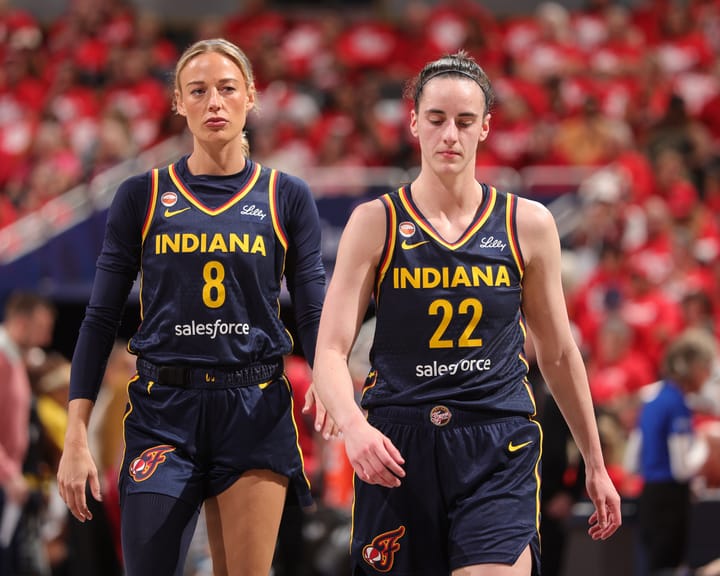
Indiana Fever and the Magasphere: A Risky Route to Fame for a WNBA Team
The Indiana Fever's season has concluded, marked by both its on-court performance and off-court controversies. Despite being eliminated by the Las Vegas Aces for the second consecutive year, the team has drawn significant attention, becoming a focal point in the WNBA this season.
The Fever'