

Nepal Blocks Major Social Media Platforms Over Regulatory Noncompliance
Nepal has restricted access to Facebook, Instagram, WhatsApp, and more than a dozen other widely used social media platforms, citing their failure to adhere to national regulations.
The restriction, which began at midnight on Thursday, has faced backlash from human rights and press freedom organizations. Critics argue that the move by the government, led by Prime Minister KP Sharma Oli, limits free expression and negatively impacts businesses.
Authorities stated that 26 platforms—including X, Reddit, LinkedIn, Pinterest, and Signal—were barred after they did not register under Nepal’s recently enacted social media laws. The Ministry of Communications and Information Technology said companies were given seven days to comply following a court directive, but none met the deadline. The ministry then ordered internet service providers to block the platforms.
Only TikTok and a few others followed the regulations and remained accessible.
The widespread restrictions caused significant disruption over the weekend, particularly affecting businesses and the country’s tourism sector, which depends on social media for promotion and customer engagement. Many Nepalese citizens also rely on these platforms to stay in touch with family members working abroad.
On Sunday, journalists protested in Kathmandu, carrying signs with messages such as “no shutdown of social networks, no silencing of voices,” and “freedom of expression is our right.” Demonstrators also accused the government of undermining democracy.
The Committee to Protect Journalists, an international organization, warned that the ban sets a troubling standard for press freedom.
In response, Prime Minister Oli defended the decision, stating that national sovereignty takes precedence over individual concerns. “The independence of the nation is greater than the loss of jobs of a few. Ignoring laws, the constitution, and national dignity is unacceptable,” he said during a public address.
While Nepal has generally upheld free speech, critics point to increasing government control under Oli’s leadership. Last year, TikTok faced a nine-month suspension over concerns about harmful content before being reinstated upon agreeing to register.
Proposed laws currently under discussion in Nepal’s parliament could further tighten regulations, imposing fines or jail time for content deemed against the “national interest” and granting authorities the power to close media outlets or revoke journalists’ credentials.
Read next
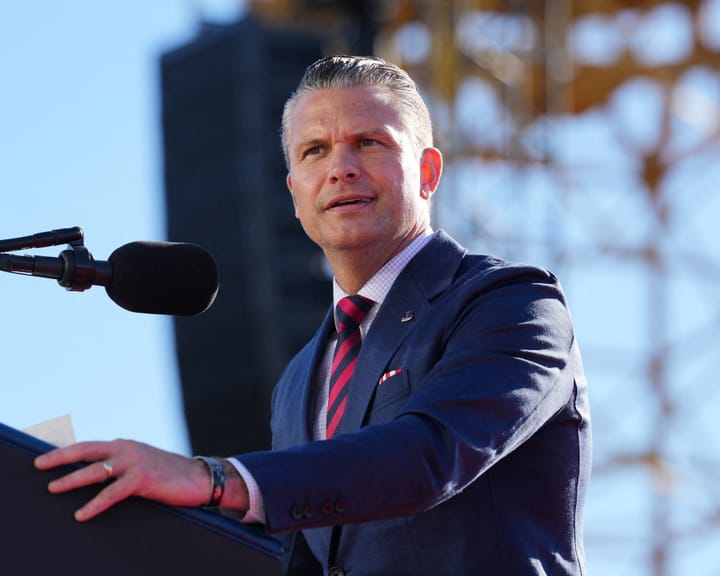
Pete Hegseth's proposal to stream executions aligns US with controversial nations.
If the US defense secretary, Pete Hegseth, proceeds with plans to livestream the execution of a soldier radicalized to extremist Islam, who killed 13 people at a military base in Texas, the US would join a group of lesser powers and rogue actors known for public executions in recent years.
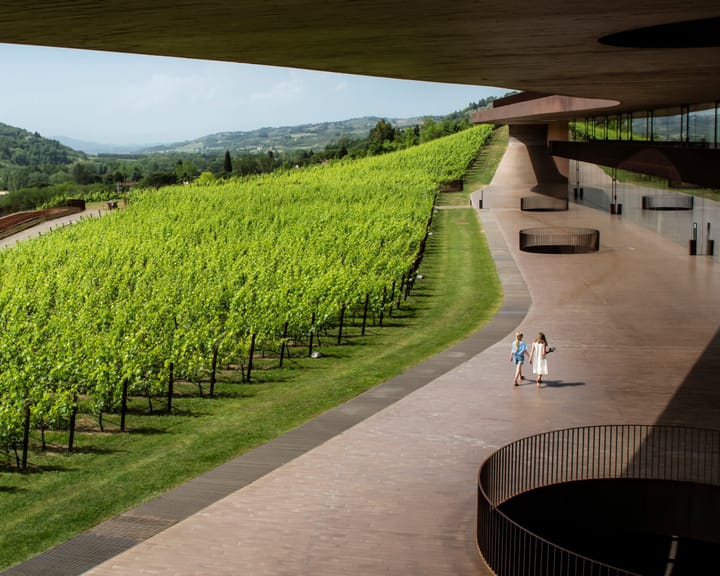
Criminals steal €5m from renowned Italian winery
In a significant theft in Tuscany, thousands of wine bottles valued at €5 million have been stolen from the renowned Marchesi Antinori winery, marking what is considered the largest heist of its kind in Italy. A group of at least seven masked individuals breached the winery's cellar in
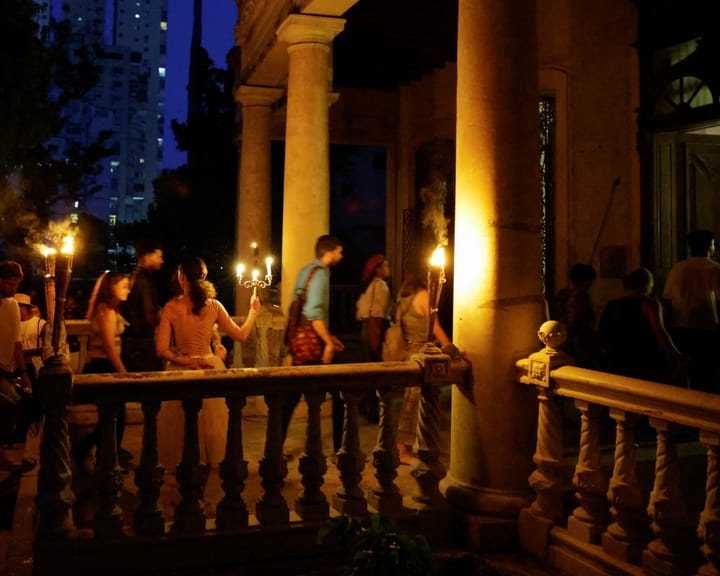
Illuminated Theater in Havana – A Photographic Journey
Widespread blackouts have become more frequent in Cuba since the US imposed energy sanctions in January. These outages often last longer than 24 hours as the aging electrical grid struggles to cope. The Impulso theatre group has been forced to adapt, as the power cuts present significant challenges for the