
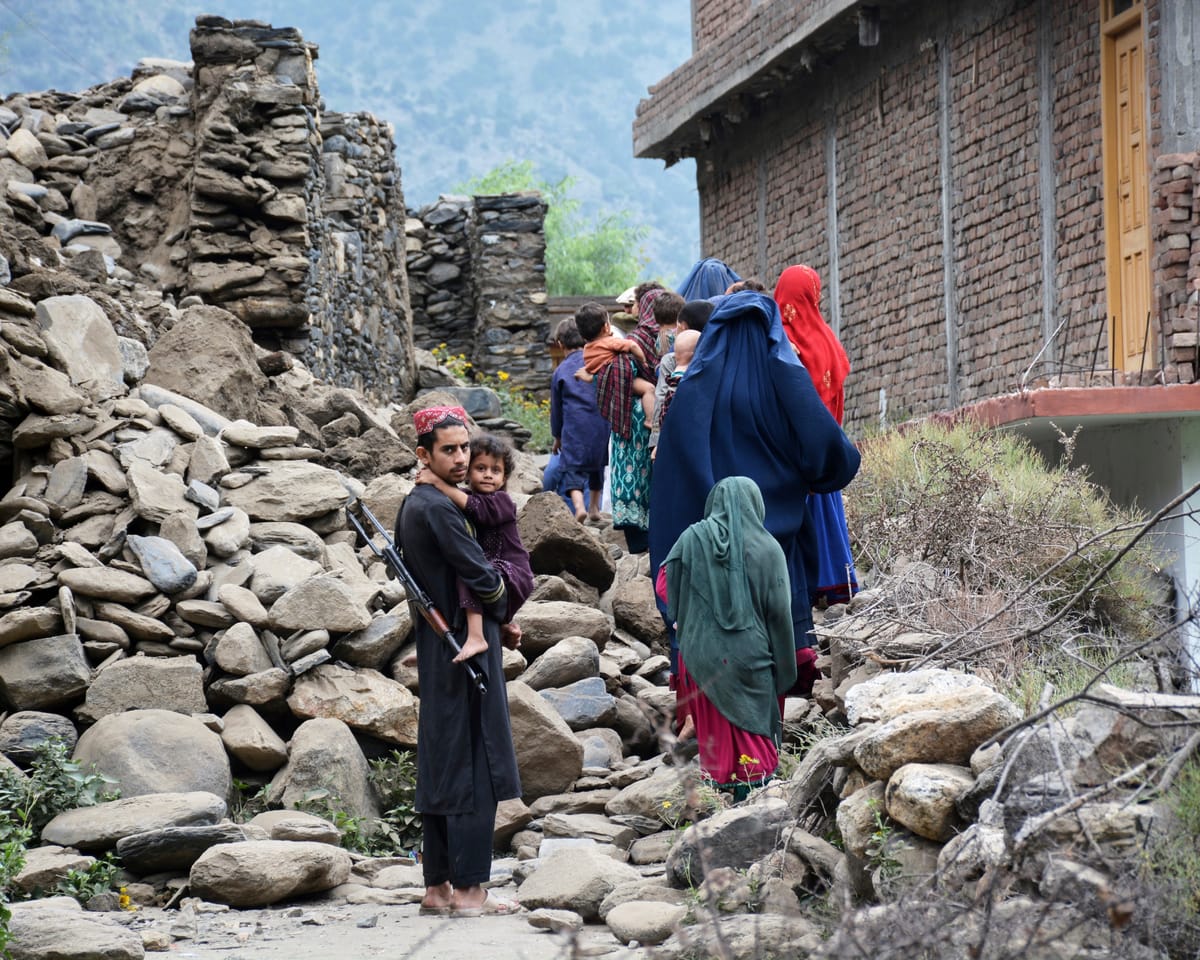
It was nearly midnight when Hameed Jan woke suddenly to the sound of a deep rumble. His small home in Piran village, Afghanistan’s Kunar region, trembled violently as cracks began spreading across the walls.
“I leaped from my bed and ran to where my children and parents were sleeping,” said Jan. “I pulled two of my kids to safety outside, then went back for my younger siblings. But just as I reached them, the house collapsed around me.”
When the 6.0-magnitude quake struck eastern Afghanistan late on Sunday, Jan became trapped beneath the wreckage. Though he fought to free himself, the heavy rubble pinned him down. Villagers spent five hours digging him out, only for him to emerge to a scene of devastation.
His wife, two sons, and two brothers were among the victims of the disaster, which flattened entire villages in the region. In Kunar’s impoverished, mountainous landscape, most homes were built of mud, offering little protection against the destruction that came as people slept. Entire neighborhoods now lay buried or swept away.
“It was like the mountains were crashing down on us,” said Jan. “Our village is gone—nothing but ruins.”
By Monday evening, officials reported at least 800 dead and over 2,500 injured, but the toll was expected to climb. Many in Kunar remained missing, and emergency workers pulled more bodies from the wreckage as hospitals overwhelmed with patients declared emergencies. Though authorities deployed helicopters, much of the area remained inaccessible.
Sanaullah, another Kunar resident, was away when the quake hit. Returning Monday, he found his home destroyed and his brother and five children dead. “The same is true for every family here,” he said. “Everyone I know has lost three to five loved ones.”
Abdul Rahim, a cleric in Kunar, said graveyards in Mazar valley could no longer accommodate the dead. “After mass funerals, people mourn in the streets. The bodies keep arriving, so we’re digging new graves constantly,” he said.
Many survivors criticized the response efforts, with some questioning the ability of the authorities to handle a disaster of this scale. Since the political shift in 2021, operational challenges have grown for groups attempting to assist in recovery efforts.
Read next

Pete Hegseth's proposal to stream executions aligns US with controversial nations.
If the US defense secretary, Pete Hegseth, proceeds with plans to livestream the execution of a soldier radicalized to extremist Islam, who killed 13 people at a military base in Texas, the US would join a group of lesser powers and rogue actors known for public executions in recent years.
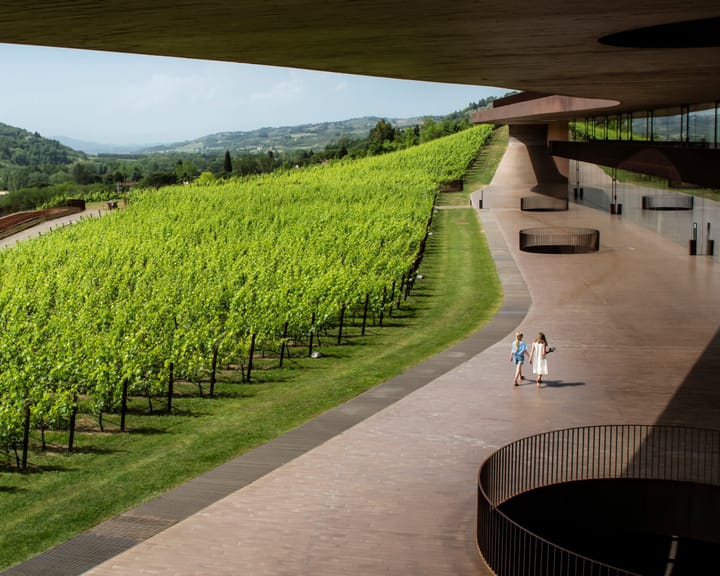
Criminals steal €5m from renowned Italian winery
In a significant theft in Tuscany, thousands of wine bottles valued at €5 million have been stolen from the renowned Marchesi Antinori winery, marking what is considered the largest heist of its kind in Italy. A group of at least seven masked individuals breached the winery's cellar in

Illuminated Theater in Havana – A Photographic Journey
Widespread blackouts have become more frequent in Cuba since the US imposed energy sanctions in January. These outages often last longer than 24 hours as the aging electrical grid struggles to cope. The Impulso theatre group has been forced to adapt, as the power cuts present significant challenges for the