
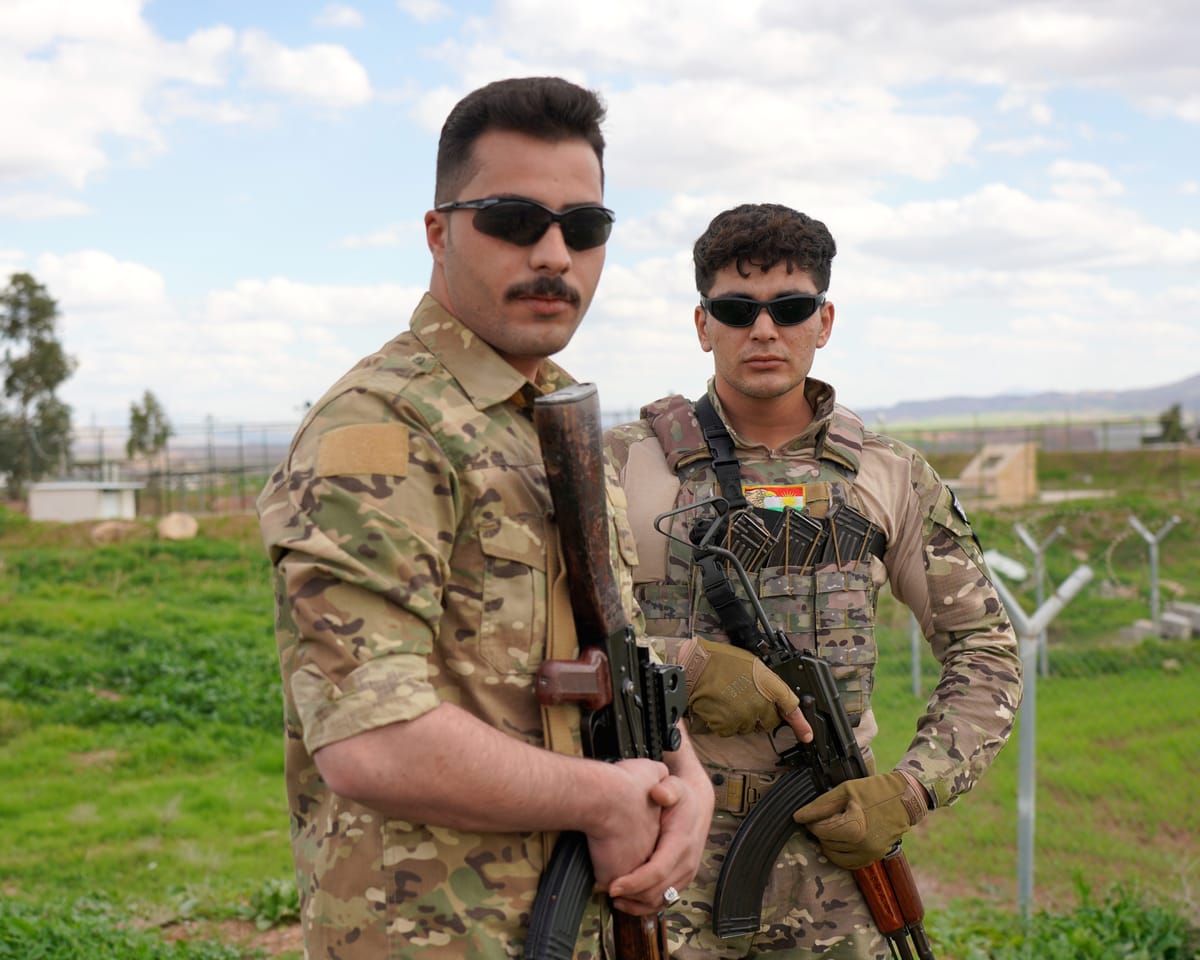
Strong bursts of air strikes have struck dozens of military sites, border outposts and police stations along the northern stretch of Iran’s frontier with Iraq, seeming to set the stage for a new front by the United States and Israel.
A U.S. official familiar with talks between Washington and Kurdish representatives said Washington stood ready to furnish air cover should Kurdish peshmerga cross from northern Iraq.
An Israeli military spokesperson said the air force was “intensely operating in western Iran to weaken Iranian capabilities there, to open a path toward Tehran and to secure freedom of action.”
Both Axios and Fox News, referencing a U.S. source, reported on Wednesday that militia forces had launched an offensive inside Iran. No official verification or immediate details on the number of combatants or their points of origin were provided.
Kurdish officials told the Associated Press that Kurdish Iranian dissident groups stationed in northern Iraq were gearing up for a possible cross‑border operation in Iran, and that the United States has asked Iraqi Kurds to back them.
Khalil Nadiri, a representative of the Kurdistan Freedom Party (PAK) in Iraq’s semi‑autonomous Kurdish region, said on Wednesday that some of his units had moved to positions near the Iranian border in Sulaymaniyah province and were on alert. He added that leaders of Kurdish opposition groups had been approached by U.S. officials about a prospective operation, without offering further specifics.
At the same time, Baloch militant factions opposed to Tehran have also shifted from isolated mountain bases in Pakistan across the frontier into Iran, local authorities said.
Analysts warned that arming Iran’s ethnic militias could “open a hornet’s nest,” deepening internal splits and raising the likelihood of a chaotic civil war should the current regime fall.
Donald Trump phoned two heads of Iranian Kurdish factions based in northern Iraq earlier this week and signaled willingness to aid groups prepared to take up arms against the regime, U.S. media reported.
Covert actions in north‑western Iran, where Kurdish populations are most concentrated, were “intensified” after the brief Iran‑Israel clash last summer, according to former intelligence and defence officials from Israel, the United States and the wider region.
January reports described clashes between Iran’s Islamic Revolutionary Guard Corps and Kurdish peshmerga units that entered Iran from Turkey and Iraq. Two weeks ago, five rival Iranian Kurdish groups led by the Democratic Party of Iranian Kurdistan (KDPI) announced a new coalition aimed at toppling Tehran’s government.
“Getting your groups aligned and united is the first move in the playbook,” said a former U.S. defence official with experience in covert operations.
Read next
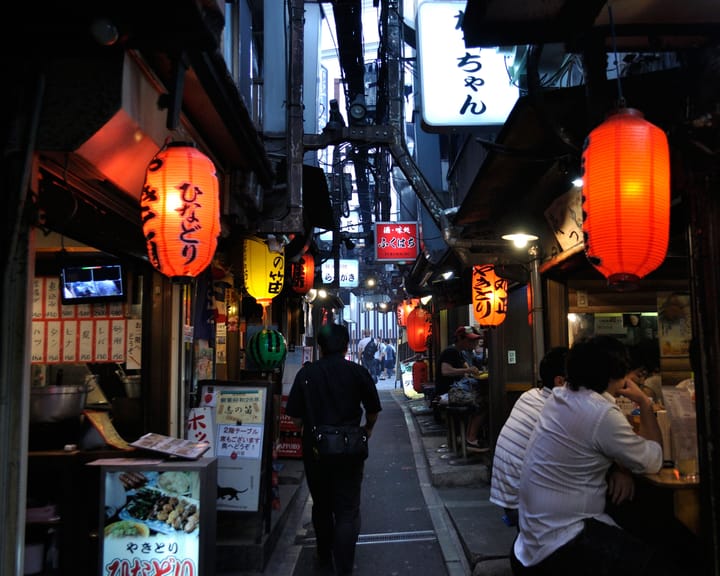
Tokyo tourist hotspot outlaws short-term rentals amid complaint surge
Shinjuku Ward, Tokyo, has moved to ban short-term rental accommodations in residential areas and near schools and important cultural sites, following a slew of complaints about visitor behaviour. The decision, to be enacted through a local ordinance, marks the latest sign that Japan’s patience with mass tourism is
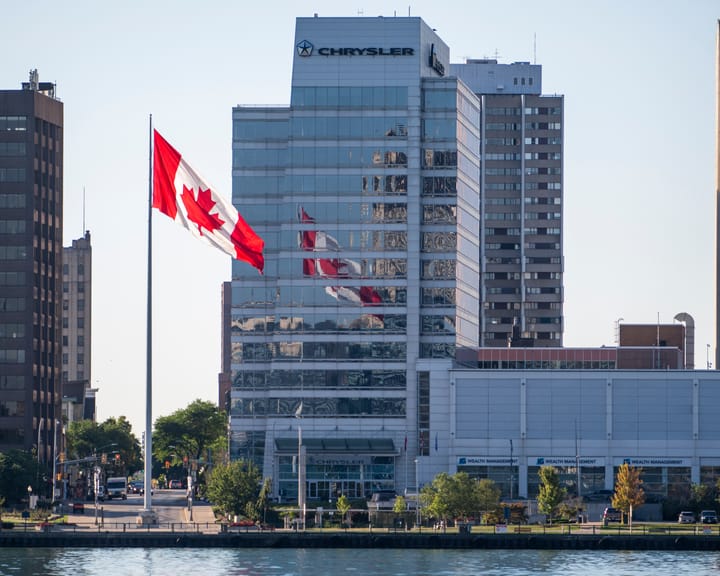
Canada implements retaliatory US tariffs as trade dispute intensifies
Canada’s retaliatory tariffs on about $20 billion worth of American imports took effect at 12.01am on Tuesday, ranging from 15% to 50% and applying to steel, dairy, appliances, agricultural equipment, pulp and paper, and electronics. The measures, a response to the United States’ 50% tariff on $20 billion
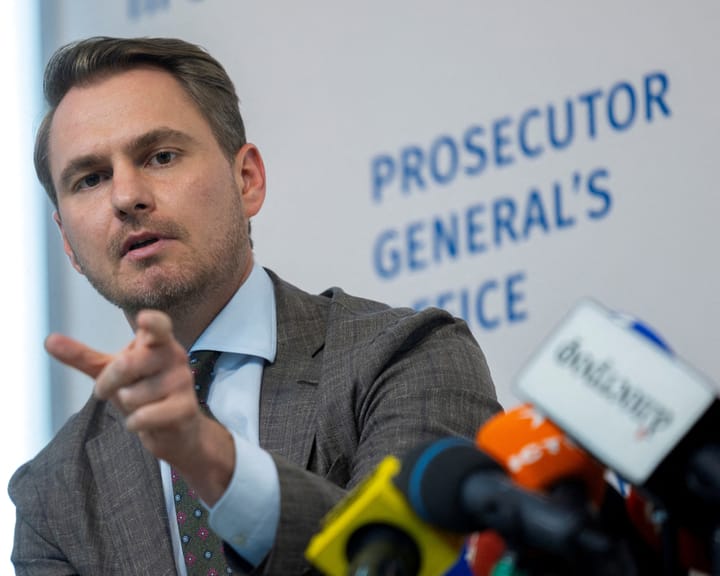
Prosecutor general resigns amid political turmoil in Kyiv during Ukraine war
Ukraine’s prosecutor general Ruslan Kravchenko resigned amid corruption accusations after anti-graft officers searched his offices at the weekend. He called the allegations “completely unsubstantiated” and denied wrongdoing. The National Anti-Corruption Bureau (NABu) and Specialised Anti-Corruption Prosecutor’s Office (Sapo) announced Saturday they uncovered a money-laundering