
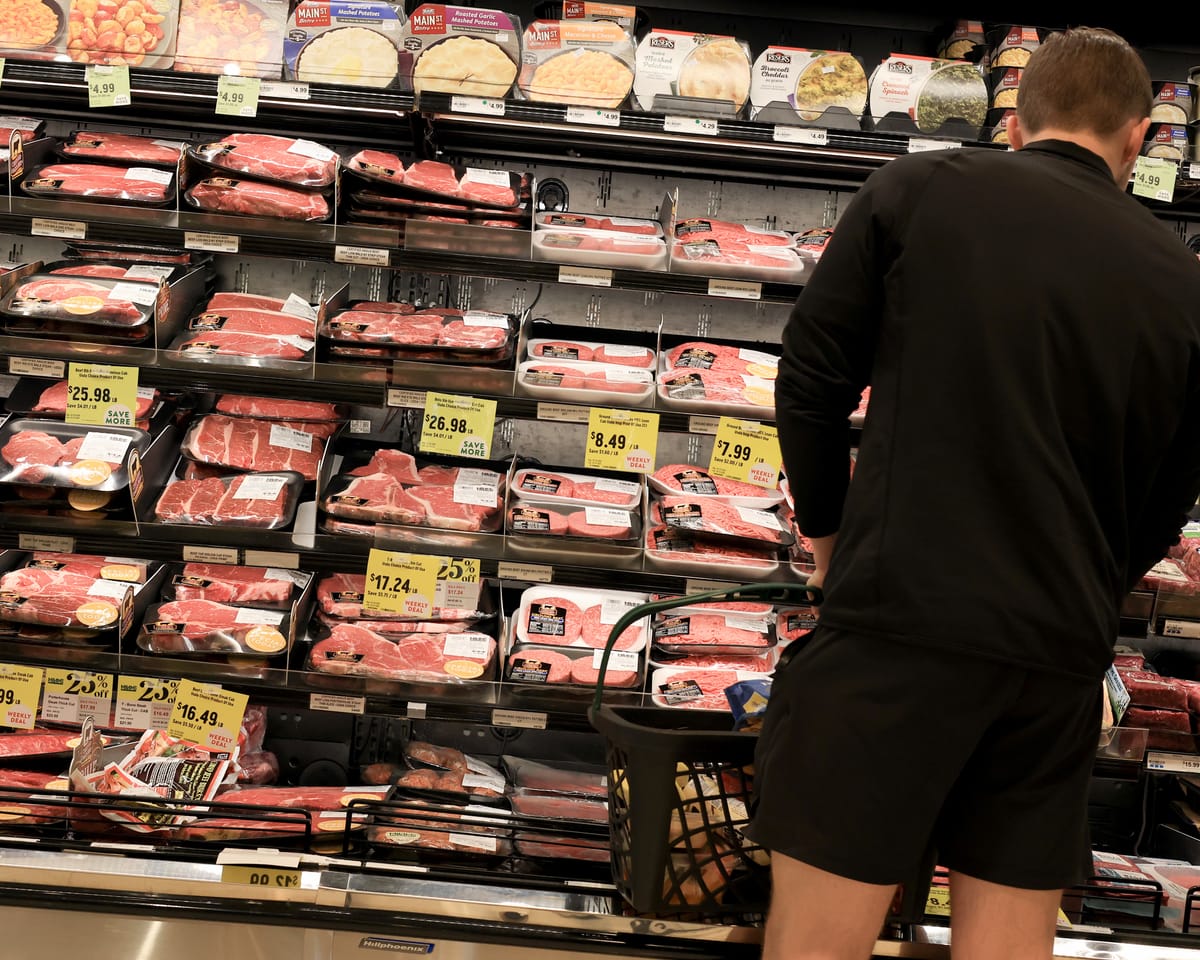
US workers continue to grapple with rising living costs even as Donald Trump’s campaign pledges promise to resolve the nation’s affordability problem.
CuriosityNews interviewed employees, and a recent survey revealed bipartisan worries about the Trump administration’s management of the economy.
Dawn Levie, 61, a postal worker in Paulden, Arizona, said she has seen her earnings drop by thousands over the past year after her hours were reduced, making it harder to cover basic expenses such as groceries and utility bills.
“It’s hard to describe how you feel when you can’t sustain your livelihood because your money is impacted,” Levie said. “You can’t pay bills, creditors get mad. How do you tell them: ‘I just don’t have it?’”
The White House maintains that the affordability issue Levie describes does not exist. Speaking at a rally in Kentucky earlier this week, Donald Trump told the audience: “Inflation is plummeting, income is rising, the economy is roaring back!”
That upbeat message is likely to be a hard sell to voters ahead of the midterm elections.
After aiding Congress in passing steep cuts to health‑care and food‑assistance programs, Trump is now urging the removal of minimum‑wage and overtime safeguards for certain workers. Although seven‑in‑ten Americans say tariffs have pushed prices higher, Trump has pressed on with additional duties.
Rather than feeling that the United States is entering a golden era, many workers say inflation is outpacing their wages.
“I know things are worse, because I’m living it and I feel it every day,” said Bryan Williams, 63, a home‑care aide in Madison, Wisconsin, who survives paycheck to paycheck on $17.65 an hour. “It’s very hard trying to pay rent, pay your bills, buy food, gas and juggle which ones you can pay and which ones you can let go.
“I ask myself which one should I get, when I know I need both, or worrying will I have enough money to get back and forth to work until another payday? Or will I have enough money to pay my light bill?”
Vernice Thompson, 63, a retail employee in Williamsburg, Virginia, noted that even with Social Security benefits, housing consumes half of her income.
“Groceries have gone up. The prices of a lot of the foods that I like have gone up,” Thompson said. “I know the price of clothing too because I work in retail, and I haven’t seen any declines in the price of clothing.”
“Everything is going up,” she added.
Food prices were 2.9 % higher in January than a year earlier and are projected to rise another 3.1 % over the next twelve months. Data show the food‑insecurity rate jumped to 16 % in November, up from 12.7 % in January 2025.
Utility costs in the United States also climbed more than 6 % in January 2026 compared with the previous year.
More Americans are assuming debt as essential items become costlier. Total household debt in the fourth quarter of 2025 reached $18.8 trillion, a 4 % increase since the start of the year.
Read next

UK farmers face rising costs as Iran war inflates expenses, leaving finances unbalanced
The modest green oilseed‑rape seedlings sway under the gusty spring breezes. Planted in August of the previous year, the stand is now rising and should be ready for cut in July, when it can be processed into edible oil or fuel.
The tranquil 230‑hectare (568‑acre) arable holding

Conflict drives Europeans to choose non‑Mediterranean holiday spots
Holidaymakers who had intended to travel to the eastern Mediterranean this summer are shifting their plans toward western Europe and the Caribbean, travel firms say, as the US‑Israel conflict with Iran disrupts the region.
Visitors from the United Kingdom and continental Europe are increasingly replacing trips to Cyprus, Turkey
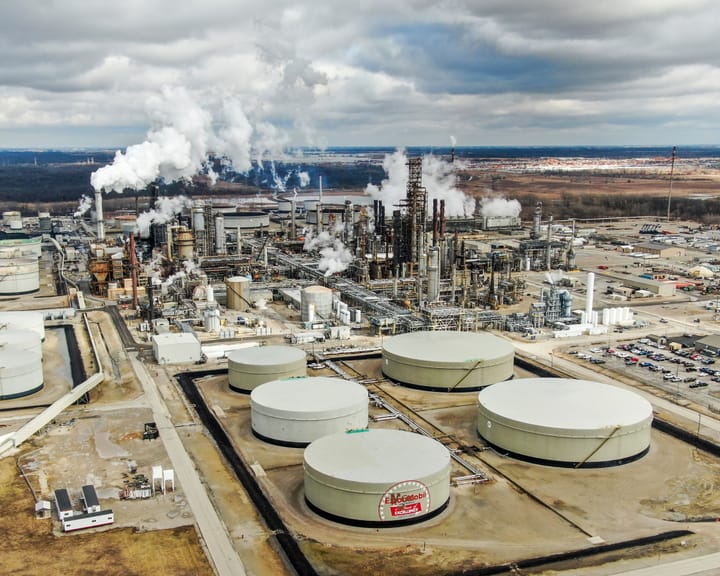
IEA set to urge unprecedented stockpile oil release to lower crude prices
The International Energy Agency is set to request the biggest drawdown of state oil reserves ever recorded, aiming to soothe the price surge sparked by the US‑Israeli strikes on Iran.
The global energy monitor is anticipated to urge its 32 members to free roughly 400 million barrels of emergency