
Pacific Nations Maintain Strong Support for Israel Amid Global Criticism
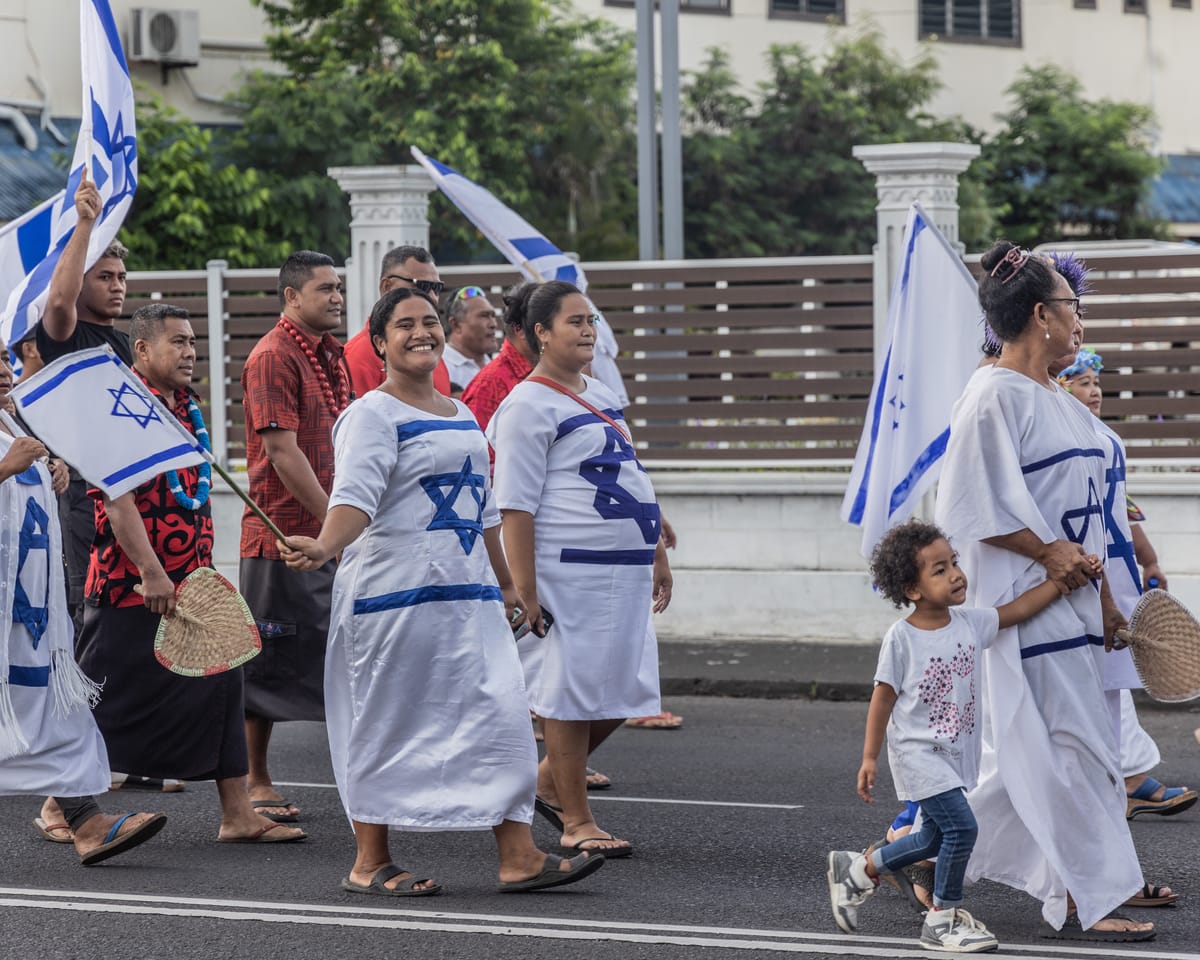
After nearly two years of conflict in Gaza, marked by significant casualties and dire humanitarian conditions, Israel faces growing international isolation, with long-standing alliances strained. Despite widespread condemnation, several Pacific island nations remain firm in their backing of Israel—second only to the United States in unwavering support.
Though small in both population and geopolitical influence, countries such as Fiji and Papua New Guinea have played a crucial role in helping Israel counter criticism within organizations like the United Nations and the International Court of Justice. However, as the conflict continues, this stance has sparked discontent among younger, more politically engaged communities in the Pacific, where opposition is beginning to emerge.
One of the most notable displays of their support has been evident in UN voting patterns. In June, a resolution demanding an immediate ceasefire passed overwhelmingly, with 149 nations voting in favor. Among the 12 that opposed it, seven—Fiji, Micronesia, Nauru, Palau, Papua New Guinea, Tonga, and Tuvalu—were Pacific states.
Data from an independent monitoring group indicates that Micronesia has been even more consistent than the U.S. in supporting Israel, not casting a single dissenting vote over the past decade.
Further reinforcing ties, Papua New Guinea is one of only six countries to establish an embassy in Jerusalem, recognizing it as Israel’s capital. Fiji has also pledged to open an embassy there, with Prime Minister Sitiveni Rabuka expected to visit Israel soon for the inauguration, alongside Israeli officials.
While many Israelis may be unfamiliar with these nations, their backing holds significant weight in international forums. Despite their small populations—some numbering fewer than 20,000—their votes at the UN carry the same influence as those of major global powers.
Rooted in Shared Beliefs
Analysts suggest that the Pacific’s steadfast support for Israel, even as other Western allies distance themselves, stems largely from religious ties. Prof. Steven Ratuva of the University of Canterbury notes that while Jewish communities in the region are minimal, Christianity dominates, with followers exceeding 90% in many nations. Like evangelical Christians elsewhere, many Pacific believers view a Jewish-inhabited Israel as central to their faith, influencing government policy.
Israel has also nurtured these connections through targeted aid and development programs. However, Ratuva observes that these efforts often serve immediate political objectives, stating, "The focus is primarily on gaining backing for its current policies, rather than fostering long-term growth."
As the conflict persists, the Pacific's stance continues to draw scrutiny—both for its diplomatic significance and the tensions it provokes among younger generations pushing for change.
Read next
Pete Hegseth's proposal to stream executions aligns US with controversial nations.
If the US defense secretary, Pete Hegseth, proceeds with plans to livestream the execution of a soldier radicalized to extremist Islam, who killed 13 people at a military base in Texas, the US would join a group of lesser powers and rogue actors known for public executions in recent years.

Criminals steal €5m from renowned Italian winery
In a significant theft in Tuscany, thousands of wine bottles valued at €5 million have been stolen from the renowned Marchesi Antinori winery, marking what is considered the largest heist of its kind in Italy. A group of at least seven masked individuals breached the winery's cellar in

Illuminated Theater in Havana – A Photographic Journey
Widespread blackouts have become more frequent in Cuba since the US imposed energy sanctions in January. These outages often last longer than 24 hours as the aging electrical grid struggles to cope. The Impulso theatre group has been forced to adapt, as the power cuts present significant challenges for the