
Resistance in the Shadows: Germans Who Defied the Nazis
Growing up, our home had a steadfast rule: nothing German was permitted. No appliances from German manufacturers in the kitchen, no cars from German automakers in the driveway. The decree came from my mother. She was not a survivor of the Holocaust, but the horrors of that time had brushed too close—on 27 March 1945, when she was just eight years old, her mother was killed by the last German V-2 rocket to strike London. The blast destroyed part of the East End, claiming 134 lives, nearly all of them Jewish. The aftermath of that explosion would shape the rest of my mother’s life—and much of mine.
She understood, of course, that the bomb had not specifically targeted Hughes Mansions. But knowing the Nazis’ intent to eradicate Europe’s Jews, she also recognized how they would have reveled in the cruel coincidence that their final strike added 120 Jewish deaths to a toll that would reach six million. And so, the rule stood: no connection to Germany would be allowed—no travel, no contact. In her eyes, Germans were collectively responsible for the century’s gravest crime.
Other Jewish families I knew held similar views, though few were as unwavering as my mother. Yet while her stance may have been uncommon, the sentiment behind it was not. Beyond the Jewish community, many believed—and perhaps still do—that Adolf Hitler had found near-universal complicity among the German people.
Resistance movements in France and elsewhere are well-documented, but dissent within Germany itself is often overlooked. It’s easy to assume that opposition was crushed the moment the Nazis took power in 1933—that the fate of dissidents followed the grim pattern: First they came for the communists…
But that isn’t entirely accurate. From the beginning, there were Germans who resisted. After the war, an allied investigator estimated that three million Germans had been imprisoned in jails or concentration camps during the Nazi regime, many punished simply for speaking out.
In 1933, Germany had 67.7 million citizens. The vast majority—over 95%, including children—complied. They saluted and echoed the required slogans. But not all of them did.
What drives someone to defy authority when conformity is so much safer? What strength does it take to refuse when the cost could be imprisonment, suffering, or death?
Anyone who has stood against oppression knows the answer lies in a courage few are forced to discover. Those who resisted, even quietly, refused to let fear dictate their actions. Their stories, though less known, are a reminder that even in the darkest times, defiance can flicker in the shadows.
Read next

Pete Hegseth's proposal to stream executions aligns US with controversial nations.
If the US defense secretary, Pete Hegseth, proceeds with plans to livestream the execution of a soldier radicalized to extremist Islam, who killed 13 people at a military base in Texas, the US would join a group of lesser powers and rogue actors known for public executions in recent years.
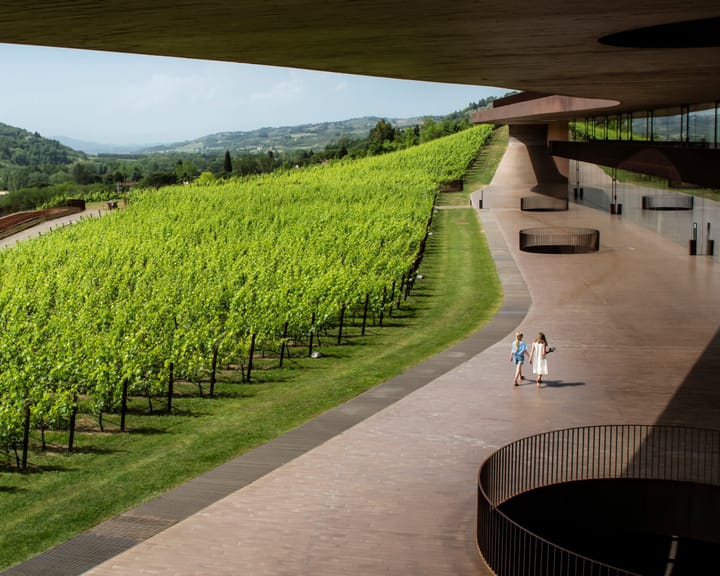
Criminals steal €5m from renowned Italian winery
In a significant theft in Tuscany, thousands of wine bottles valued at €5 million have been stolen from the renowned Marchesi Antinori winery, marking what is considered the largest heist of its kind in Italy. A group of at least seven masked individuals breached the winery's cellar in
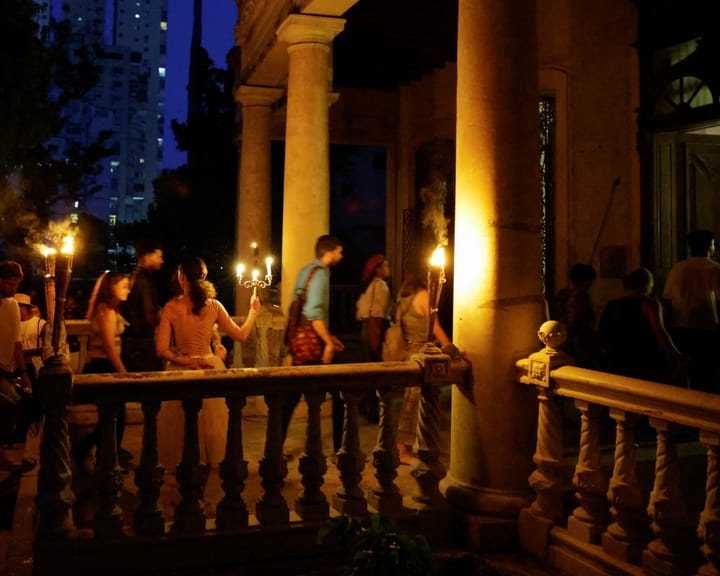
Illuminated Theater in Havana – A Photographic Journey
Widespread blackouts have become more frequent in Cuba since the US imposed energy sanctions in January. These outages often last longer than 24 hours as the aging electrical grid struggles to cope. The Impulso theatre group has been forced to adapt, as the power cuts present significant challenges for the