
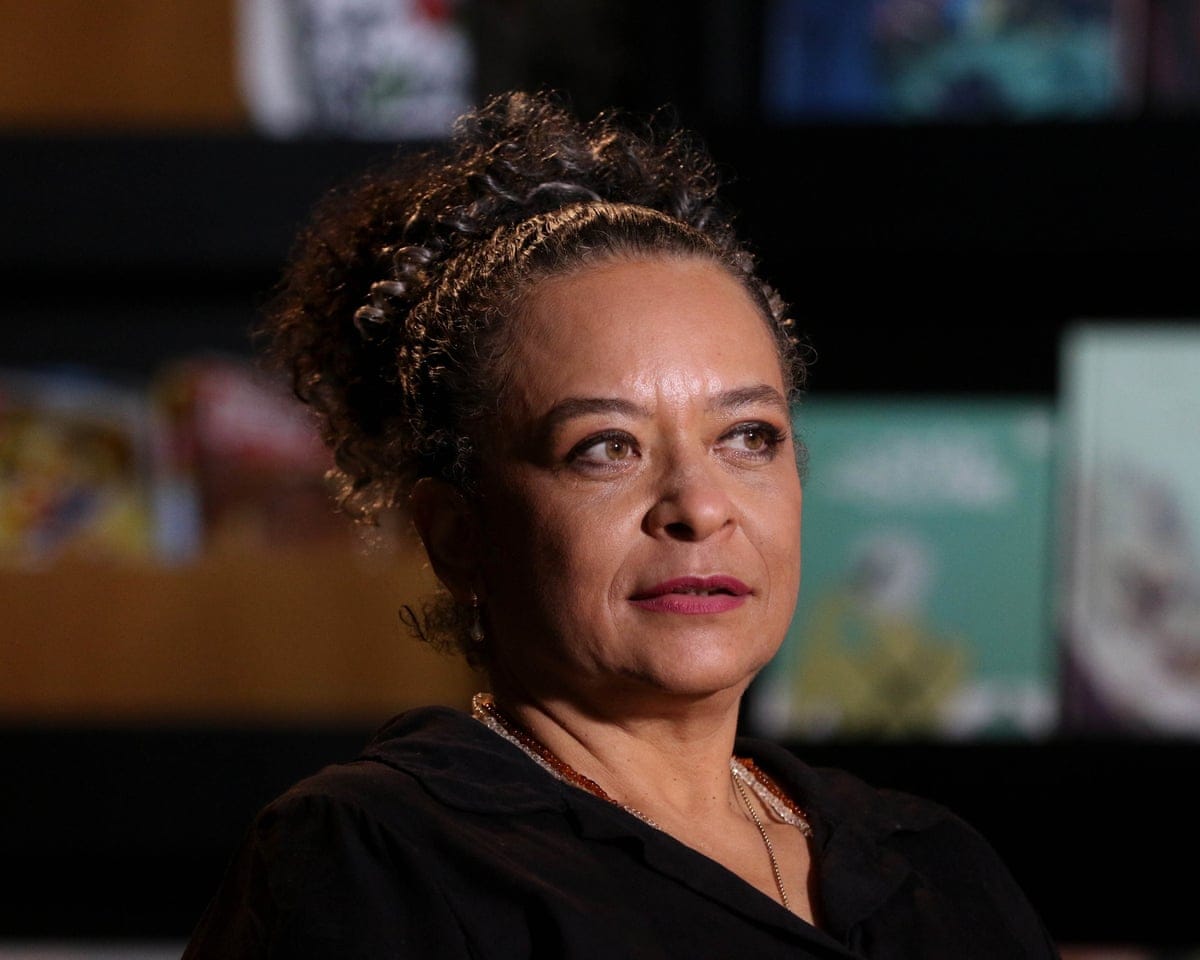
Brazil has chosen its first Black woman to join the Brazilian Academy of Letters, an institution established in 1897 and inspired by the Académie Française.
Ana Maria Gonçalves, 54, is among the most respected writers in Brazil today. Her selection on Thursday has been met with widespread recognition from fellow authors, scholars, and President Luiz Inácio Lula da Silva.
Her renowned novel, *Um defeito de cor* (A Colour Defect), remains unavailable in English. The 950-page historical work, which she describes as "Brazil's history told from the perspective of a Black woman," has earned both critical and commercial success. The newspaper *Folha de S Paulo* recently named it the finest Brazilian literary work of the 21st century so far, and it has sold over 180,000 copies since its 2006 publication.
Lula remarked that the book was his "companion" during his 580 days in prison and that he often recommends it to others.
Gonçalves hopes her election to the 128-year-old academy—an institution dedicated to preserving the Portuguese language and Brazilian literature—will help address what she views as a deep-seated historical imbalance.
"I’m the first Black woman, but I can’t be the only one," said Gonçalves, who will become just the sixth woman among the 40 members, or "immortals," as they call themselves. Aside from two Black men and the institution’s sole Indigenous writer, the rest are white men.
"I can’t bear the responsibility of representing an entire population that remains marginalized—one that is itself incredibly diverse," she added.
The academy’s inaugural president was Joaquim Maria Machado de Assis, widely regarded as Brazil's greatest writer. Though still referred to as the House of Machado de Assis, the institution has admitted only a few other Black men over the years—a pattern many see as revealing in a nation where over half the population traces its roots to Africa.
Poet and translator Stephanie Borges, 40, believes Gonçalves’s election will inspire more Black women to engage with literature. "When we tell our own stories, we encourage those who resemble us to see themselves in this world," she said.
Cidinha da Silva, 58, a prolific author with over 20 books, emphasizes that Gonçalves was chosen not because of her identity but "because she is one of Brazil’s finest living writers."
Thirteen candidates were considered in the election. Of the 31 members who voted, 30 chose Gonçalves; the remaining vote went to Eliane Potiguara, 74, who had hoped to become the first Indigenous woman in the academy.
Gonçalves engaged in a formal process—though she insists she never sought votes—by sending her book and a personal letter to each member and speaking with some by phone about her work.
Read next
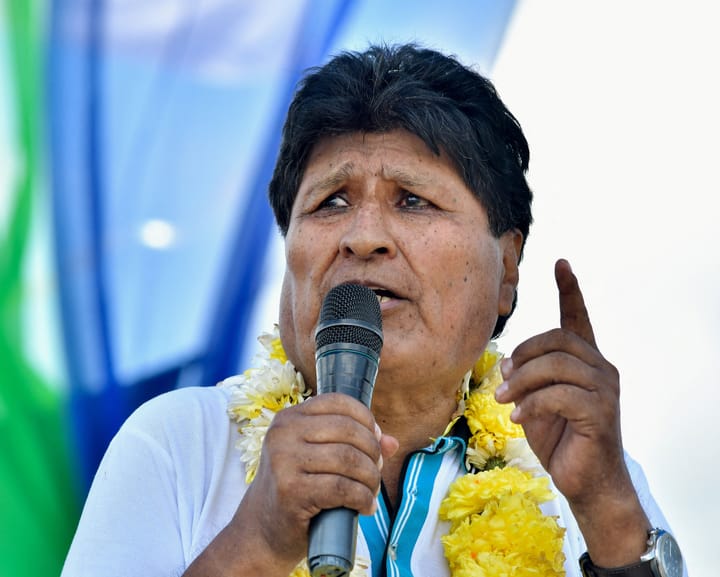
Bolivia Probes Ex-President Evo Morales for Suspected Involvement in 2009 Killings
The Bolivian attorney general has initiated an investigation into former leftist president Evo Morales, citing allegations of his involvement in the murder and torture of European nationals in 2009.
In 2009, police conducted a raid on a Santa Cruz hotel, resulting in the deaths of Eduardo Rózsa Flores, a Bolivian-

Argentina Closes Iguazu Falls Temporarily Due to El Niño-Induced Water Surge
Heavy rainfall driven by a potent El Niño weather pattern temporarily led Argentinian authorities to close tourist access to the renowned Iguazu Falls. The closure occurred due to concerns that rising water levels might cause the river to overflow its banks.
On Monday, national park officials implemented this precautionary measure

Mysterious Drones Strike Two Vessels Near Bulgarian Coast – Europe Live
Morning Update: Two Ships Targeted by Drones Off Bulgarian Coast
This morning, two ships in the Black Sea near Bulgaria were struck by drones of unknown origin. The attack led to the sinking of one vessel and initiated emergency rescue operations, as reported by Bulgarian Prime Minister Rumen Radev. Rescue