
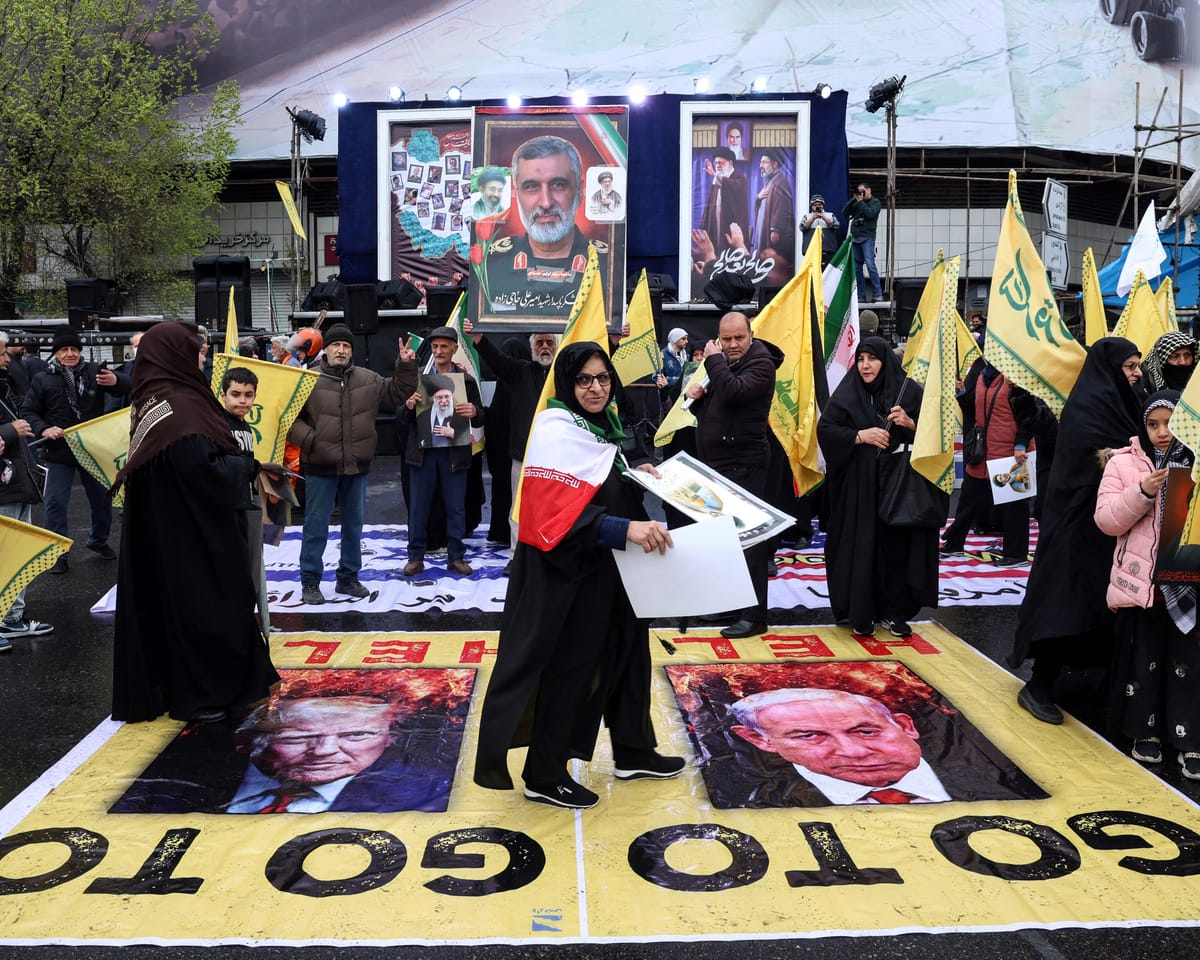
After years of arrests, disappearances and mass killings of demonstrators, the animosity in Iran toward the hard‑line, repressive government had boiled over into such a desperate fury that many clung to Donald Trump’s claim that the United States would “come to their rescue.”
Now, after two weeks of conflict, with U.S. and Israeli airstrikes killing hundreds as they struck residential blocks, shops, fuel depots and even a school, the atmosphere is shifting.
“They are also lying! Like the regime has been lying to us,” said Amir*, a student at the University of Tehran. “You are all worse than each other.”
The anti‑government protester had allowed himself to hope for more from the United States and Israel, which on the first day of the war swiftly eliminated Iran’s most feared and powerful figure, the supreme leader.
Yet the regime endures, with Ayatollah Ali Khamenei’s son quickly appointed to succeed him, while Israel has broadened and intensified its attacks on a nation of more than 90 million people.
“We’re tense. We are really tense,” Amir said. “I feel worse when I am alone. Khamenei’s death has left us with this odd sense of emptiness. It forces me to think about a future that now seems chaotic. We never got to look at him in the eye. He died just like that? Without facing justice for what he did to us?”
The turning point for Amir was the Israeli strikes on fuel depots in Tehran last week, when an attack on the Shahran oil depot cloaked the capital in black smoke. A subsequent rain shower coated trees, homes and cars with layers of toxic oil.
“I genuinely believe now they [the U.S. and Israel] didn’t have a plan. I was still hoping I was wrong, but the Shahran attack changed the way I view this war,” he said. “If the regime is what you want to hit, even if you think these depots were used by the regime, where do you draw the line? What about us, ordinary Iranians? We rely on this civil infrastructure. Why take away our ability to govern in the future? Who can rebuild utter ruins?”
Amir now lives with constant anxiety that Iran could become “another Iraq,” a country the United States invaded in 2003, promising liberty but delivering civil war. Israeli leaders have previously urged Palestinians in Gaza and Lebanese citizens to rise against oppression, only to later kill them in large numbers.
“My heart is so heavy,” Amir said. “I don’t even have tears left. Only anger and more anger. At this regime, and them,” he added, referring to the United States and Israel.
Others who spoke to CuriosityNews this week also reported a shift in their attitudes toward the war, especially after the attacks on oil depots and after seeing images of the country’s heritage sites damaged.
Among the most affected were Tehran’s Golestan Palace, dating to the 14th century, and the 17th‑century Chehel Sotoun Palace in Isfahan.
“How will they rebuild … a priceless part of history?” asked a Tehran‑based student.
Read next
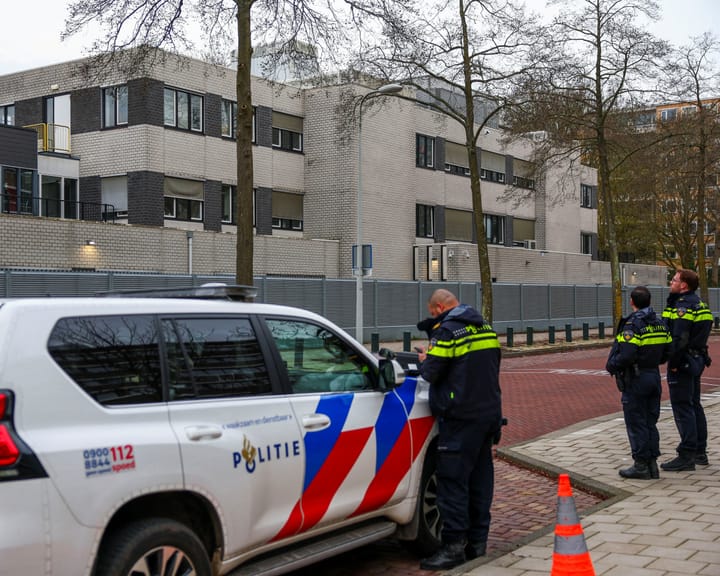
‘Deliberate attack’: blast hits Jewish school in Amsterdam.
An explosion damaged a Jewish school in Amsterdam, which the city’s mayor called “a deliberate attack against the Jewish community.”
The blast occurred early Saturday in a residential district on the city’s south side, causing only minor damage, Mayor Femke Halsema said in a press release, as police
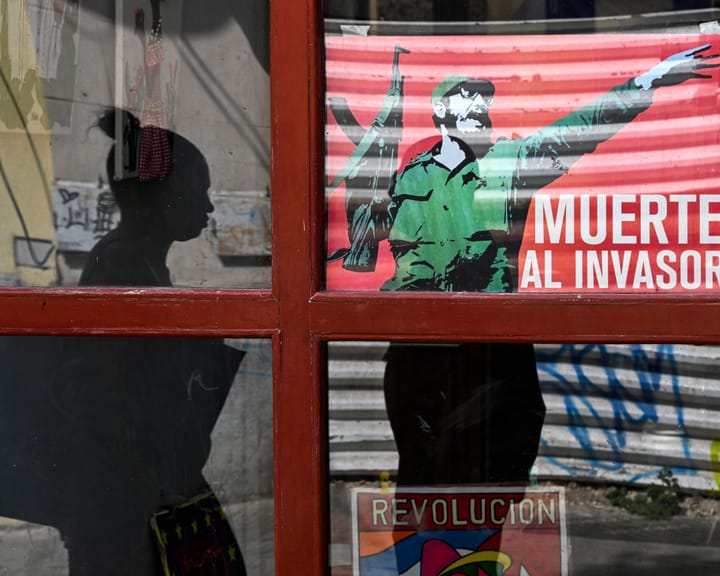
Five detained in Cuba after protest at a local Communist Party office
Five individuals were taken into custody in Cuba on accusations of “vandalism” after a handful of demonstrators forced entry into a provincial office of the Cuban Communist Party and set fire to computers and furniture.
The episode, which also impacted a pharmacy and another shop, occurred in the town of
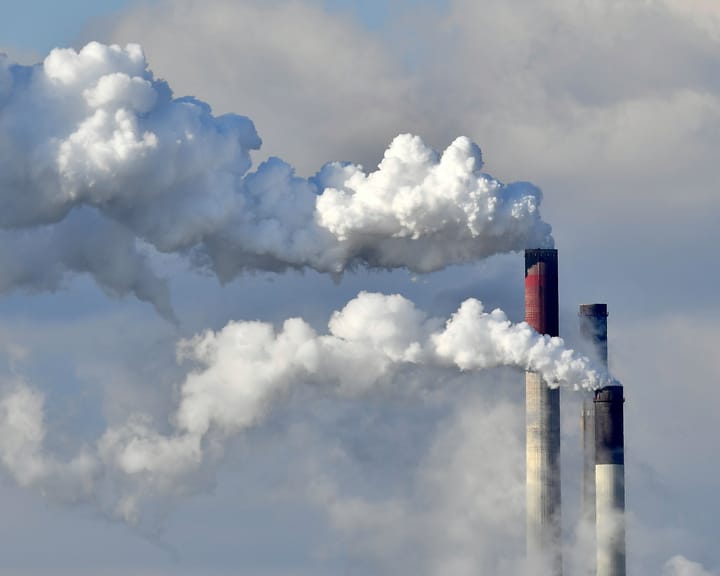
Germany fails to meet climate goals as 2025 emissions show only slight decline
Germany's greenhouse gas output again fell short of the goals established by the Climate Protection Act, registering only a minimal decline in 2025. According to the German Environment Agency, emissions slipped by merely 0.1% last year relative to the year before. In 2025 the nation emitted roughly