
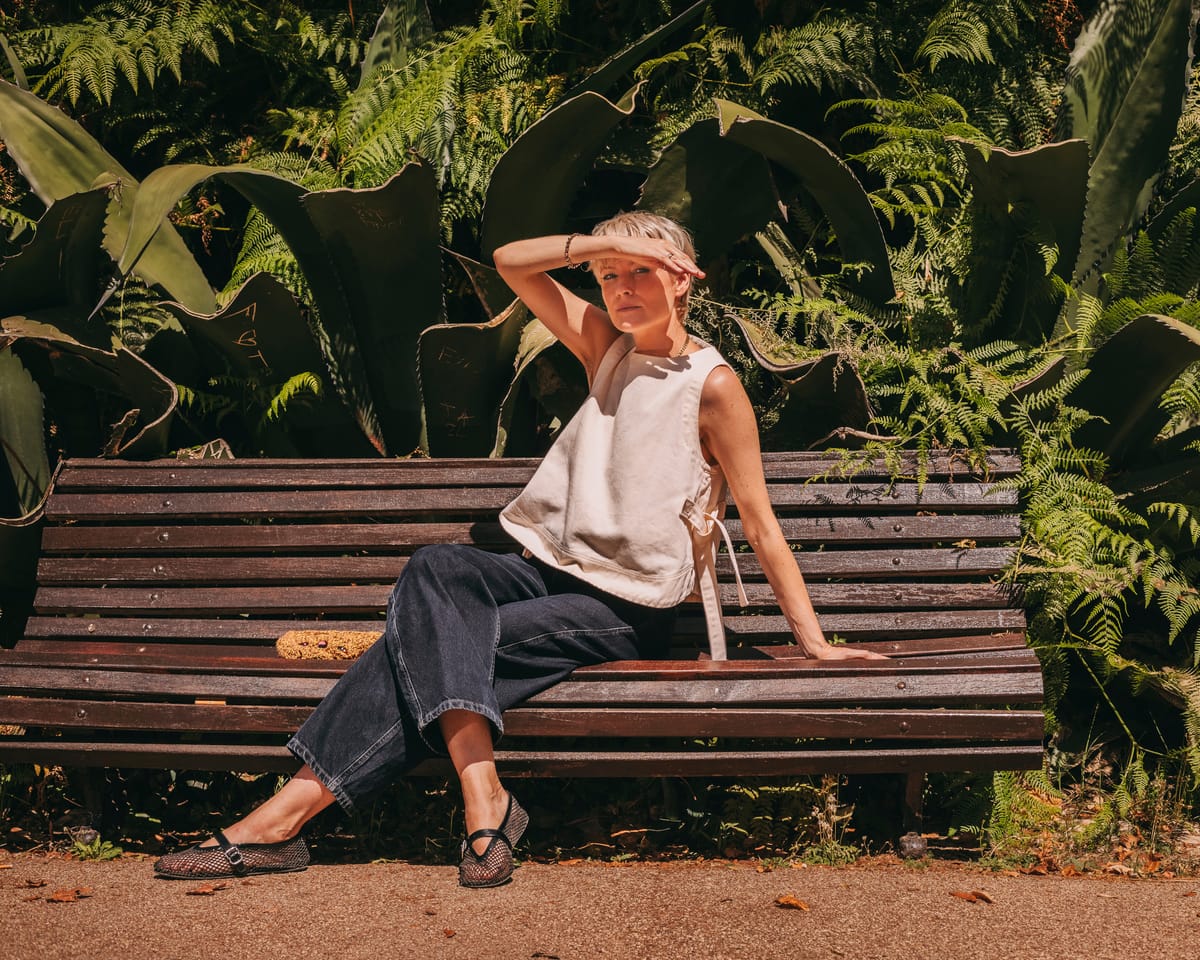
For the past five years, I’ve lived in an apartment in a four-story building on a hill in Lisbon’s pastel-colored Lapa neighborhood. From my desk at home, I work remotely, gazing at palm trees outside while joining virtual meetings with clients based in London. Payments arrive in pounds to a UK bank account. The upstairs neighbor earns from French clients, while the one below provides financial guidance to an international audience.
Across the hallway, three Scandinavian creatives work remotely for employers in their home countries. All the school-aged children attend private international schools. The building, covered in traditional Portuguese tiles, belongs to a single Portuguese family. The remote workers share the space with four longtime residents—siblings in their sixties who occupy separate floors. Like many in the area, the residents reflect a mix of Portuguese inheritors of family wealth and foreigners with overseas incomes.
I moved here from London—not for work or family but simply because it was possible. In truth, I came for the lifestyle: the sunshine, beaches, and picturesque cafés. Others have their reasons—Americans cite politics, northern Europeans seek a slower pace. Andrew Steele, a former Olympian now running a health-tech company from a co-working space, mentions cleaner food and outdoor living. He resides near Monsanto, a wooded park compared to Hampstead Heath, and sends his child to a forest-based Montessori school.
Few openly admit the tax incentives played a role. When my partner, an art director, and I arrived before Brexit with our three-year-old, securing residency was surprisingly simple. As freelancers running our own companies, we qualified for a non-habitual residency permit, which exempts foreign earnings from local income tax. “These permits target a specific group,” explains Fabiola Mancinelli, an anthropologist specializing in mobility and tourism. “Applicants must show financial stability, private healthcare, and remote employment—ensuring they don’t compete for local jobs. In return, they often receive tax relief.”
Arriving in 2019 after 18 hectic years in London, daily life here felt gentler. Simple things improved—even playground visits or the school commute felt different, swapping buses for trams or, admittedly, affordable rides.
During my final week in London, my son asked why a local pub’s restroom was “greasy.” Though I didn’t explain the likely reason—efforts to deter misuse—the contrast to Lisbon was clear.
Read next
Digital Breach Causes Freezing Failure in Two French Supermarket Chains
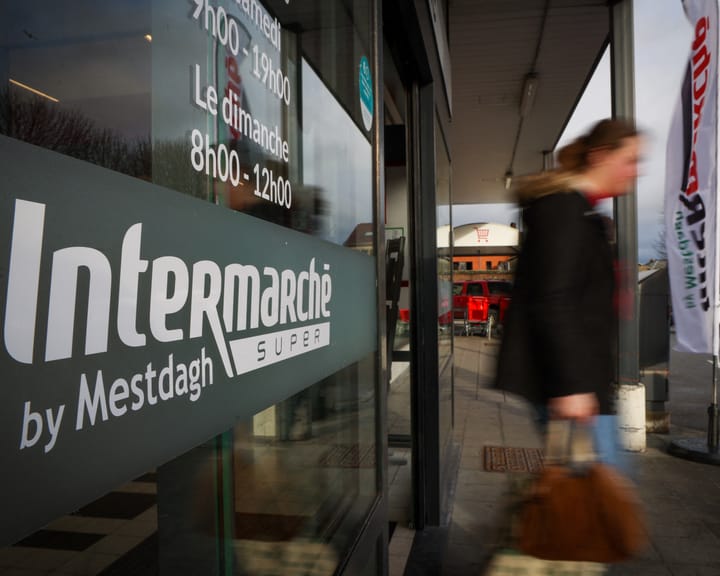
French supermarket chains Intermarché and Cooperative U have experienced a significant cyber-attack that led to the defrosting of their refrigerators, according to statements from the retailers.
Approximately 150-200 Intermarché locations and nearly 100 Cooperative U stores were targeted in the attack, as reported on Monday. Paris prosecutors confirmed
Man Freed from Sardinian Cave After 26-Hour Rockslide Ordeal
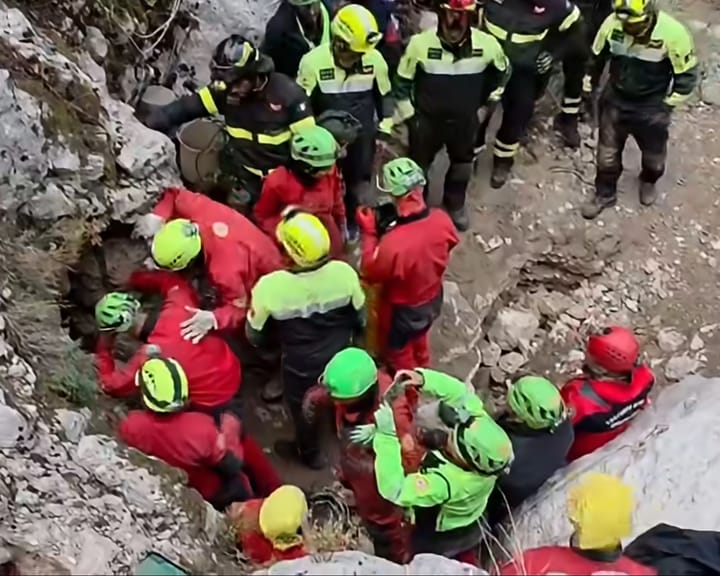
A 31-year-old man was rescued alive from a cave on the Italian island of Sardinia after being trapped about 10 meters underground for 26 hours due to a rockslide.
In an extensive and intricate rescue operation, emergency teams worked continuously after Luca Olmetto became trapped in the Gorroppeddu

Marché des Enfants Rouges, Known as Paris' 'Coolest Market,' Ravaged by Fire
A devastating fire has swept through Paris's oldest surviving covered food market, a beloved street food destination in the Marais district. This historical venue, which attracted both locals and tourists daily, dates back to the 17th century.
Ariel Weil, the mayor of central Paris, described the Marché des