
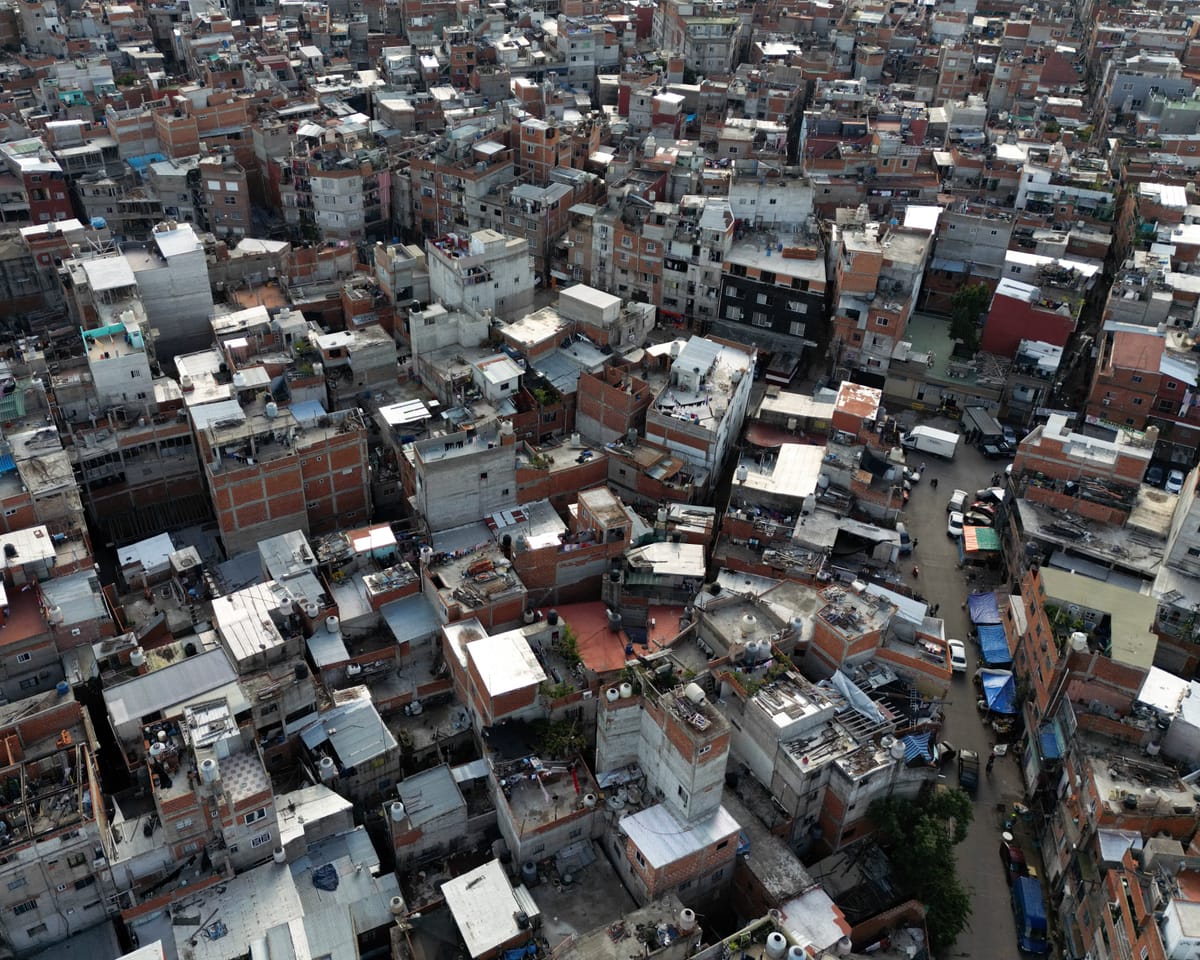
The killing of Brenda del Castillo, 20, Morena Verdi, 20, and Lara Gutiérrez, 15, has deeply unsettled Argentina, a nation unaccustomed to such extreme drug-related violence.
The three young women disappeared after being deceived into traveling to a house on the outskirts of Buenos Aires with the false promise of payment in exchange for attending a private gathering.
Authorities report that they were then held captive, subjected to torture, and their ordeal was broadcast to a restricted online audience before they were killed and buried near the property.
Investigators suggest the traffickers orchestrated the killings as retribution after one of the women reportedly took drugs from a member of the group, believed to be a key figure in a local criminal network operating in Villa 1-11-14.
“This was an act of intimidation—a warning to anyone who challenges them,” said Javier Alonso, the Buenos Aires security minister, during a public statement.
Four individuals, including two allegedly tasked with cleaning the crime scene, have been detained in connection with the case.
Outrage over the killings has spurred nationwide demonstrations, with families, activists, and rights groups calling for justice.
“They stole my daughter from me, and I want them to answer for this,” said the mother of one victim, speaking to journalists.
The incident has rattled Argentina, where such brutal drug-related crimes are less common compared to other regions in Latin America.
“When criminal groups turn their cruelty toward defenseless victims—rather than rivals or law enforcement—it signals a dangerous shift in their tactics, aimed at flaunting power,” noted Germán de los Santos, a journalist specializing in organized crime.
Social workers and advocates in marginalized communities have cautioned about the growing influence of drug networks in parts of Buenos Aires.
They argue that worsening economic conditions, coupled with reduced social support under current policies, have made it easier for these groups to exploit vulnerable youth.
A local Catholic diocese near where the victims resided stated that criminal organizations have filled the void left by inadequate state presence, fostering a destructive environment.
“When institutions fail to act, lawlessness thrives,” the statement read.
Community activists near the crime scene recounted how gangs recruit desperate youth with false offers of quick earnings.
Read next
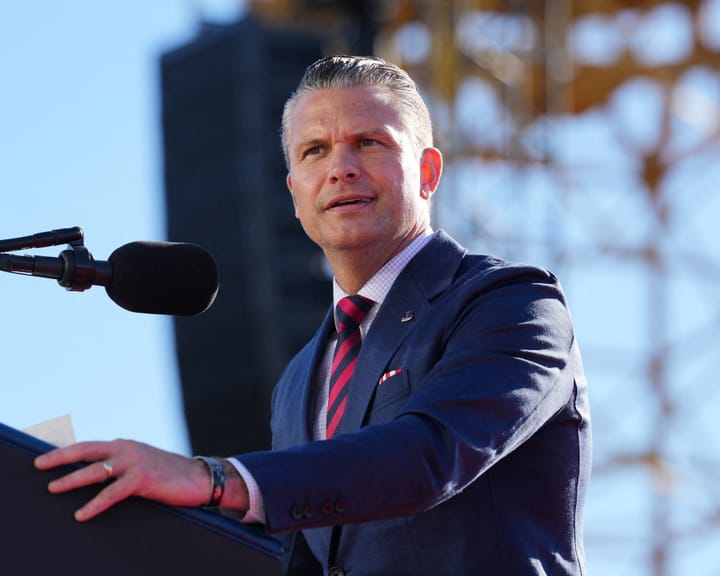
Pete Hegseth's proposal to stream executions aligns US with controversial nations.
If the US defense secretary, Pete Hegseth, proceeds with plans to livestream the execution of a soldier radicalized to extremist Islam, who killed 13 people at a military base in Texas, the US would join a group of lesser powers and rogue actors known for public executions in recent years.
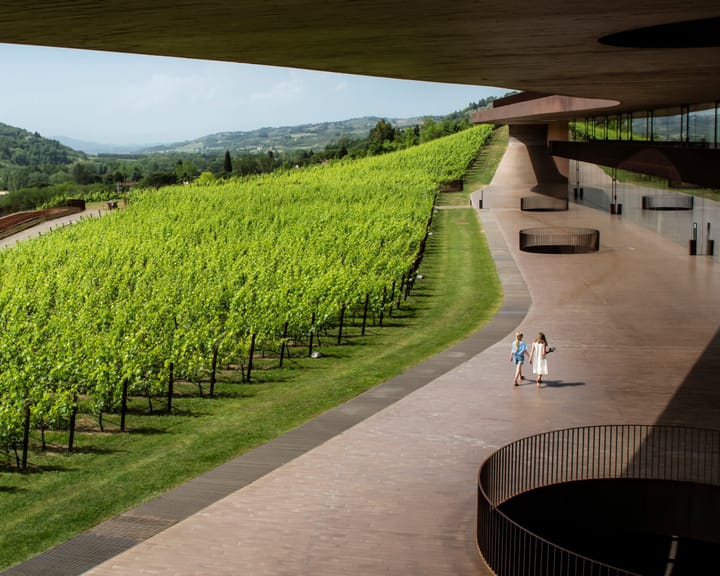
Criminals steal €5m from renowned Italian winery
In a significant theft in Tuscany, thousands of wine bottles valued at €5 million have been stolen from the renowned Marchesi Antinori winery, marking what is considered the largest heist of its kind in Italy. A group of at least seven masked individuals breached the winery's cellar in
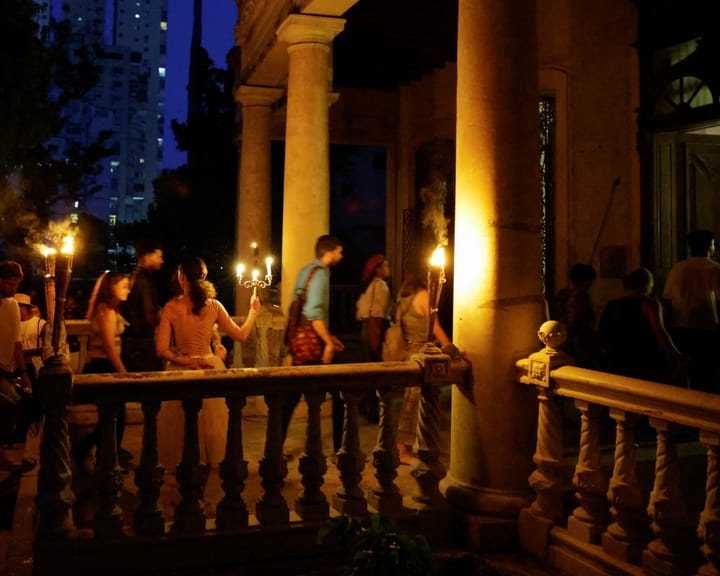
Illuminated Theater in Havana – A Photographic Journey
Widespread blackouts have become more frequent in Cuba since the US imposed energy sanctions in January. These outages often last longer than 24 hours as the aging electrical grid struggles to cope. The Impulso theatre group has been forced to adapt, as the power cuts present significant challenges for the