
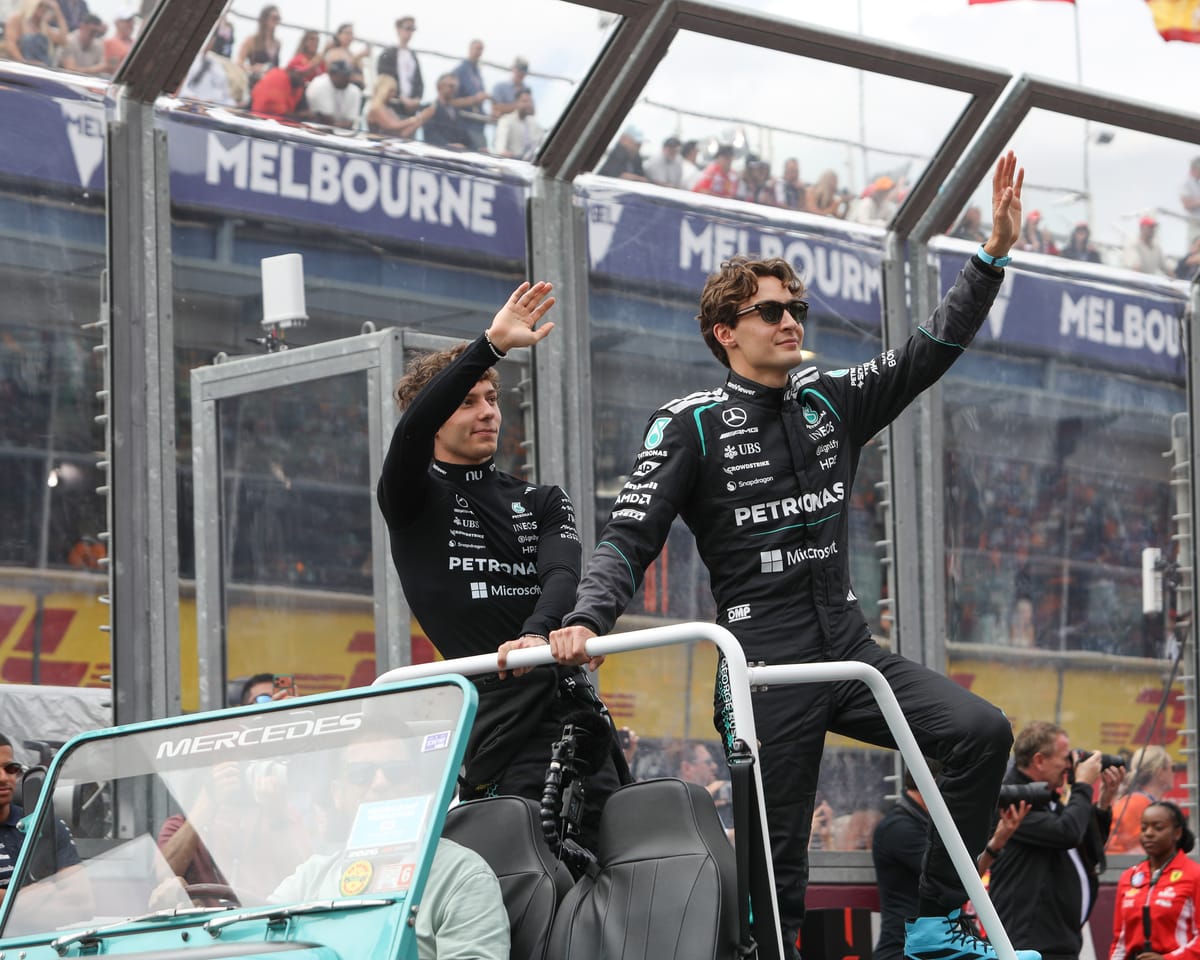
Mercedes dominate
The pre‑season front‑runners tried hard to downplay their presumed edge ahead of the Australian Grand Prix, yet the advantage was unmistakable. A commanding one‑two in qualifying, with George Russell edging out Kimi Antonelli by just under a second, was mirrored by an equally confident one‑two in the race.
Russell was forced to contend early on with Ferrari’s Charles Leclerc, but after breaking free from that duel and returning to what engineers label the “optimal” lap under the new rules for power use and recharging, he held a margin of roughly 0.3‑0.4 seconds over the Italian. At that point the Mercedes lead became decisive.
In the final third of the event, Russell and Antonelli stopped battling each other, easing off while maintaining a 15‑second gap to Leclerc, a sign that they still possessed reserve pace. They may have been wary that widening the gap too much would revive discussion about their alleged engine‑compression advantage. Mercedes now appear extremely difficult to surpass.
Ferrari’s early promise
Lewis Hamilton and Leclerc launched from the grid with blistering speed, as they had shown in testing, and at the start of the season this could be their best chance to challenge Mercedes. A costly hesitation to react to the virtual safety car cost them, yet on pure pace the Scuderia have begun strongly.
Mercedes enjoy a clear lead, but the year promises an intense development war as teams learn how to extract more performance from their machines. Ferrari believe they can narrow the deficit. As the sole second‑fastest outfit, they can target Mercedes without the added pressure of defending against McLaren or Red Bull. Leclerc and Hamilton, who finished third and fourth in Melbourne, have ample reason for optimism.
A new era likened to video games
The new regulations sparked considerable debate, especially the energy‑management component. Lando Norris complained that the cars “suck” and were the worst he had ever driven, warning that the sport risked a serious incident. Max Verstappen echoed the criticism, lambasting the necessity of lift‑and‑coast techniques and the visual unappeal of throttling off. After the race, many drivers criticised the contrived nature of overtaking, which relied on a boost or overtake mode that left cars depleted and vulnerable to immediate re‑passes.
“This feels like the mushroom in Mario Kart,” observed Leclerc, one of several drivers to draw video‑game parallels. Formula 1 highlighted that 120 overtakes were recorded, up from 45 the previous year, but the prevailing sentiment was that such moves resembled a simple push‑to‑pass system followed by.
Read next

Stephen Bunting calls death threats and social media abuse ‘very hurtful’ as he addresses Luke Littler’s rise
Definitely," Stephen Bunting says, reflecting on whether the relentless effort required as a darts player on social media feels like a deal with the devil. Following Luke Littler, the prodigious teenage world champion, Bunting is darts' most heavily marketed figure. Yet over the past year, his success on
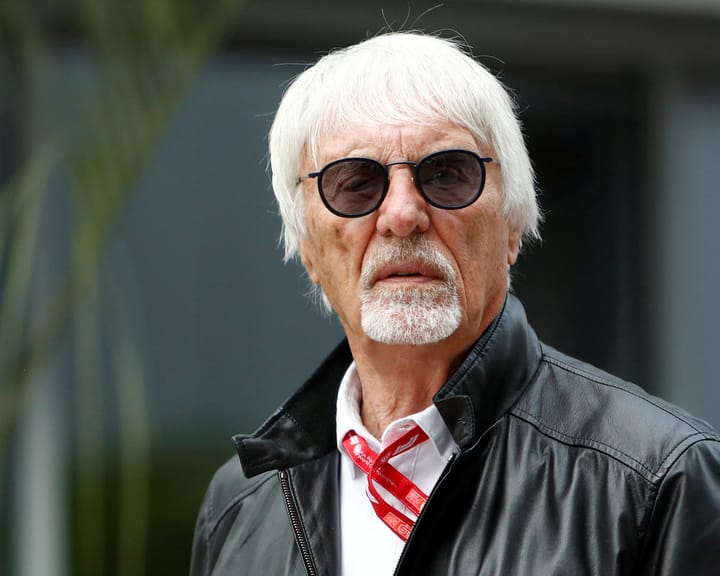
Bernie Ecclestone questioned after shotgun discovered on his private jet in Portugal
Bernie Ecclestone was detained in Portugal on Monday after customs authorities found an undocumented shotgun in his possession at Tires Aerodrome in Cascais. The incident was confirmed by CuriosityNews, which independently verified the matter with authorities.
The 95-year-old former Formula One chief’s private jet had just landed

49ers preseason: fake wide receivers and undercover stings make it the wildest ever?
The Los Angeles Rams and San Francisco 49ers have arrived in Australia for this week's NFL season opener in Melbourne. While the flight duration from California to Victoria is approximately 16 hours for both squads, their paths to the season's beginning have been starkly contrasting.
The