
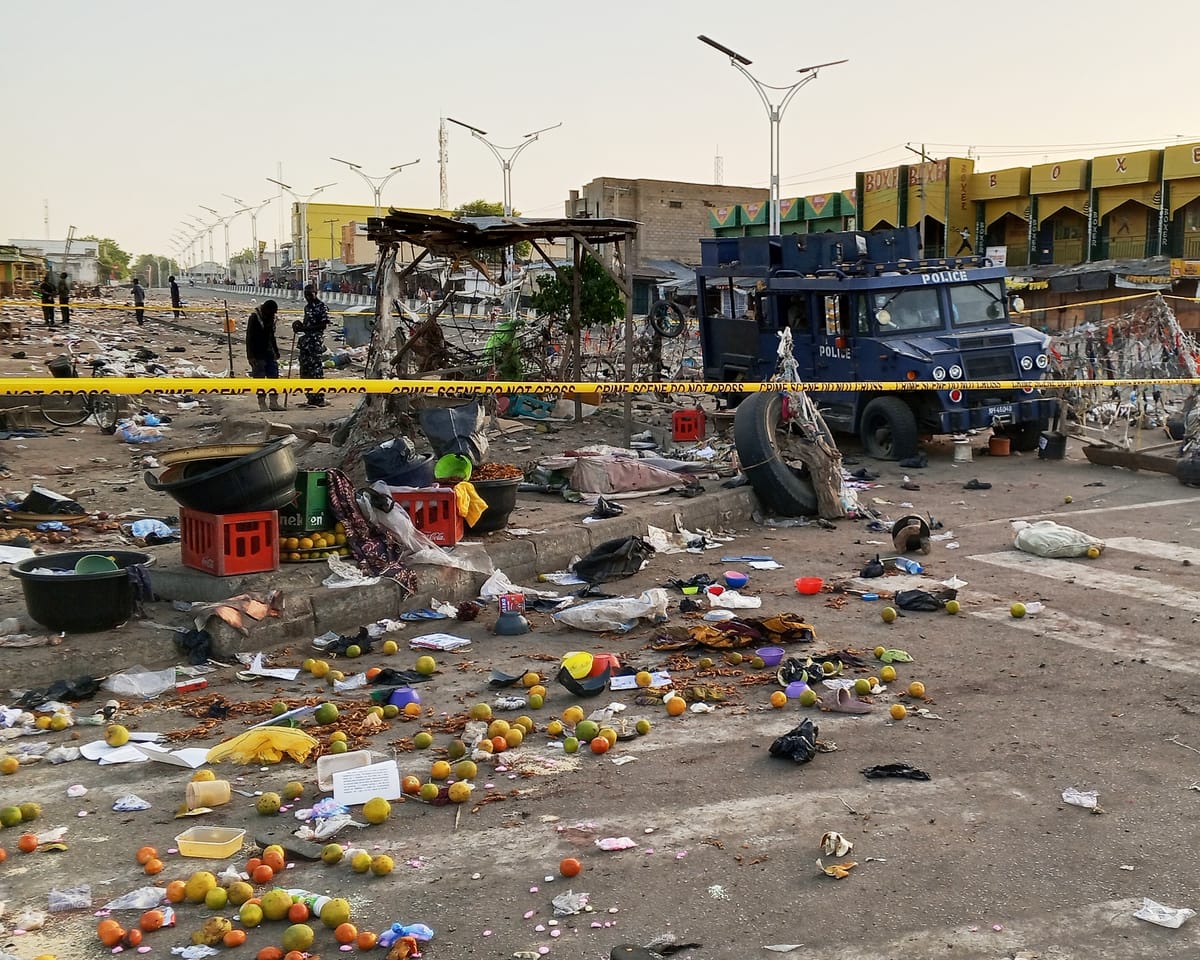
At least 23 people were killed and more than 100 injured in a series of suspected suicide bombings in the north‑eastern Nigerian city of Maiduguri, undermining its recent image as a relative haven of peace while a long‑standing insurgency has been driven into the countryside.
Officials reported that the blasts struck the post office, market districts and the entrance to the University of Maiduguri teaching hospital on Monday evening during iftar, the daily fast‑breaking meal of Ramadan.
During the peak of Nigeria’s Boko Haram revolt, the post office and Monday market zones were frequent targets of suicide attacks, when Maiduguri was a flashpoint of fighting.
A decade earlier this month, four separate suicide explosions killed 58 people and wounded over 140 in the same sites, marking one of the deadliest days in the city’s record.
The newest detonations followed an assault on a military outpost on the city’s fringe, the capital of Borno state, that began on Sunday night and continued into Monday morning. No group has yet claimed responsibility, but Nigerian authorities said the attacks were carried out by “suspected Boko Haram terrorist suicide bombers” using improvised explosive devices.
“The cowardly attacks targeted crowded public areas in an attempt by the terrorists to inflict mass casualties and create panic within the metropolis,” military spokesperson Sani Uba said in a statement.
More than two million people have been displaced and hundreds of thousands killed in the region by Boko Haram and its splinter groups, including the Islamic West Africa Province (ISWAP), as they clash with the Nigerian state in pursuit of an Islamic caliphate.
Boko Haram was formed in 2002, but its violence surged after the extrajudicial killing of its leader Mohammed Yusuf in July 2009. Under his successor, the more ruthless Abubakar Shekau, the movement fractured, with ISWAP emerging as the dominant wing and engaging in a deadly rivalry with its rivals.
Most of the ensuing terror activity has taken place in rural areas outside Maiduguri, the birthplace of the insurgency. Until a Christmas‑Eve bombing at a mosque that killed at least five and injured dozens last year, the city had not seen a major strike since 2021. That mosque attack occurred a day before US‑Nigeria airstrikes against Islamic State militants in the north‑west.
In April, Borno governor Babagana Zulum warned that jihadists were mounting a resurgence. Critics say his alert, which sparked a dispute with federal officials, was not fully acted upon.
On Tuesday morning, President Bola Tinubu, on a state visit to the United Kingdom, announced that he had ordered security chiefs to move to Maiduguri “to take charge of the situation” and “locate them, confront them and completely defeat them”.
Read next
My final clashwith my Palestinian dad lingers, leaving the past unburied for both of us
The last argument my father andI ever had took place on a May night in 2021, the evening before his first chemotherapy session. At that point in our story I had just become a mother, and he was a year and a half away from dying. To treat his stage‑
Experts WarnRussia's War Is Pushing Black Sea Dolphins to Breaking Point
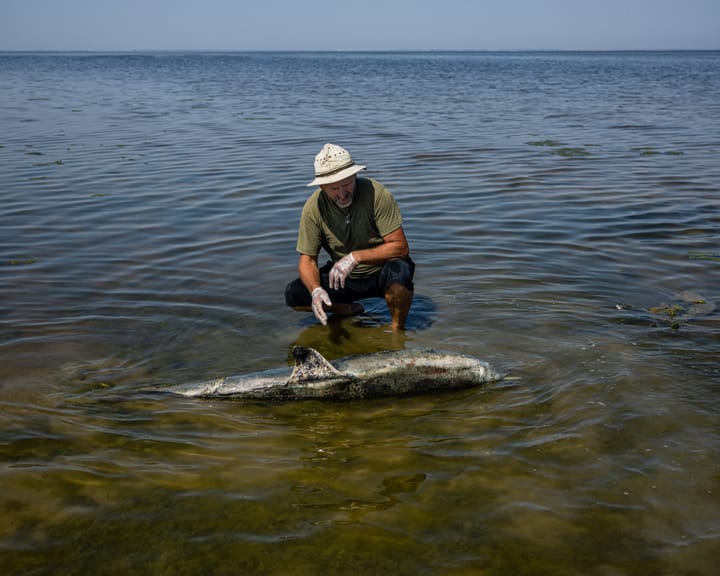
Inthe besieged harbours of Odesa, a research vessel rides at anchor, its hull scarred by unseen harm. No one can approach the damage to the Boris Alexander caused by Russian drones and artillery that have struck the port city throughout four years of war in Ukraine; the risk is too

Italy confiscates€20 million in assets tied to embezzlement from Ursula Andress
Italian authorities have confiscated assets worth €20 million (£17.3 million) in Tuscany, comprising real‑estate, vineyards and olive groves, allegedly purchased with funds embezzled from the actress Ursula Andress.
The 90‑year‑old Swiss‑born star lodged a complaint in her home country claiming a “progressive and significant depletion