
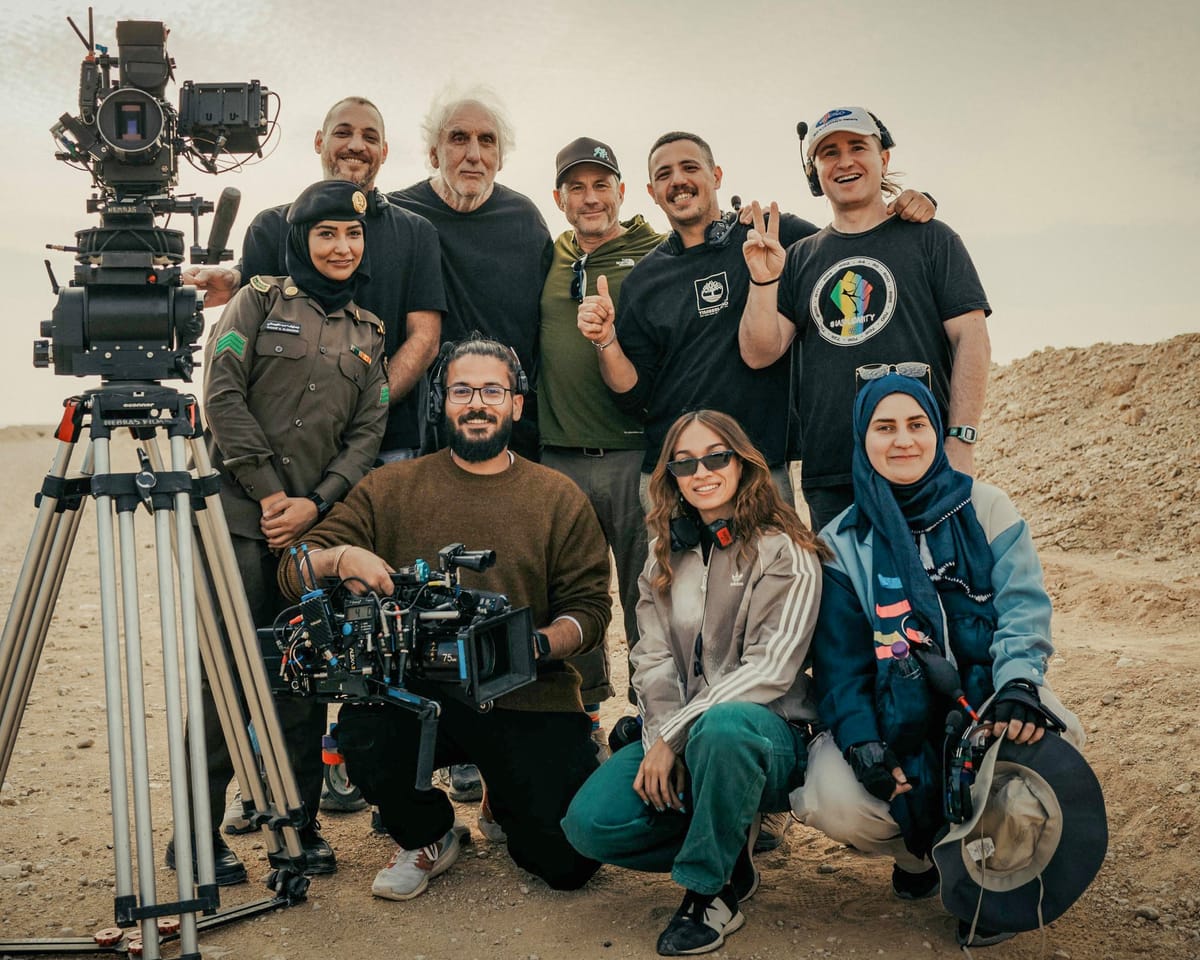
The acclaimed Australian filmmaker Phillip Noyce is receiving payment from the Saudi government to produce a feature film that casts the kingdom’s narcotics officers as heroes.
Titled The Watchful Eyes, the film is presented as a dramatization of a genuine case from the Saudi Ministry of Interior’s narcotics division and is marketed as a portrayal of the “heroism of security men in combating drugs”.
Saudi authorities carried out 356 executions last year, with 243 linked to drug‑related offences, and analysts attribute the rise in the kingdom’s execution rate largely to its “war on drugs”.
Noyce’s directing career spans decades and includes titles such as the 1970s classic Newsfront, Dead Calm, Rabbit‑Proof Fence, Patriot Games, Clear and Present Danger and The Bone Collector.
Production on The Watchful Eyes commenced in Saudi Arabia in December and the film is slated for release this year.
The Saudi Gazette news site reported: “The film will be shot entirely in the Kingdom and is expected to deliver a compelling artistic experience that highlights the heroism of Saudi security forces and introduces their efforts in combating crime to audiences worldwide.”
Noyce, aged 76, has been accompanied on set visits and prison tours by Turki al‑Sheikh, a royal adviser who faces allegations of human rights abuses, including the detention of individuals who criticize him on social media.
Al‑Sheikh, who chairs the country’s General Entertainment Authority, is internationally recognised for leading Saudi Arabia’s bid to dominate world boxing and for initiating efforts to expand its influence on international football.
A close associate of Crown Prince Mohammed bin Salman, Al‑Sheikh has shared numerous photos and videos of “the great director Phillip Noyce”, describing *The Watchful Eyes* as a feature “inspired by a true story taken from the case files of Saudi Arabia’s drug enforcement officers”.
Noyce said he accepted the assignment “for the challenge of working outside my comfort zone” and for the chance “to investigate a previously closed society”, but he did not respond to specific questions about the ethics of creating a film financed by the Saudi regime.
Joey Shea, a senior researcher on Saudi Arabia for Human Rights Watch, argued that the Saudi government employs its substantial investments in sport and entertainment as part of a strategy to whitewash its human rights record.
“Given the subject matter of this film from what’s publicly available, combined with the reality of the rights abuses that have been so inextricably linked with this new war on drugs by the Saudi government, it’s really, really disturbing the role that these narratives may play in covering up the reality of these executions that have just been served the last few years,” Shea remarked.
Officials describe The Watchful Eyes as a “massive production” and a “grand Saudi epic”.
Noyce noted that the film is financed and produced by the Saudi entertainment company Sela, which receives backing from the Public Investment Fund, Saudi Arabia’s sovereign wealth fund, to create content aimed at boosting the local film industry.
Read next
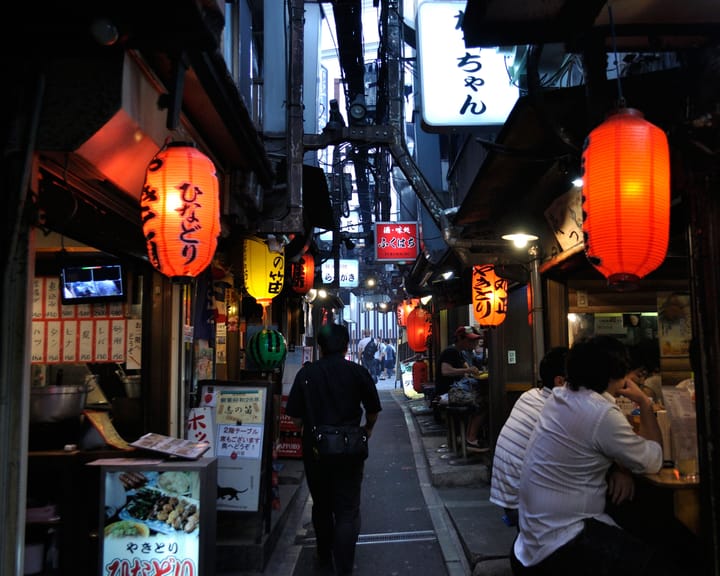
Tokyo tourist hotspot outlaws short-term rentals amid complaint surge
Shinjuku Ward, Tokyo, has moved to ban short-term rental accommodations in residential areas and near schools and important cultural sites, following a slew of complaints about visitor behaviour. The decision, to be enacted through a local ordinance, marks the latest sign that Japan’s patience with mass tourism is
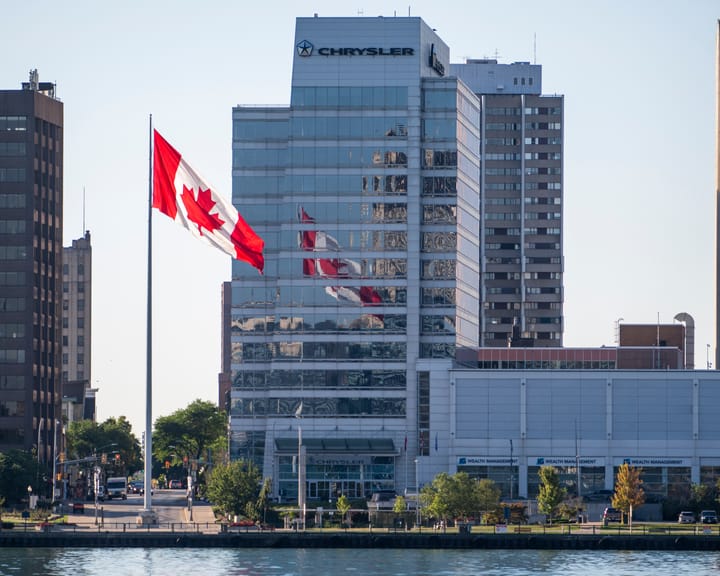
Canada implements retaliatory US tariffs as trade dispute intensifies
Canada’s retaliatory tariffs on about $20 billion worth of American imports took effect at 12.01am on Tuesday, ranging from 15% to 50% and applying to steel, dairy, appliances, agricultural equipment, pulp and paper, and electronics. The measures, a response to the United States’ 50% tariff on $20 billion
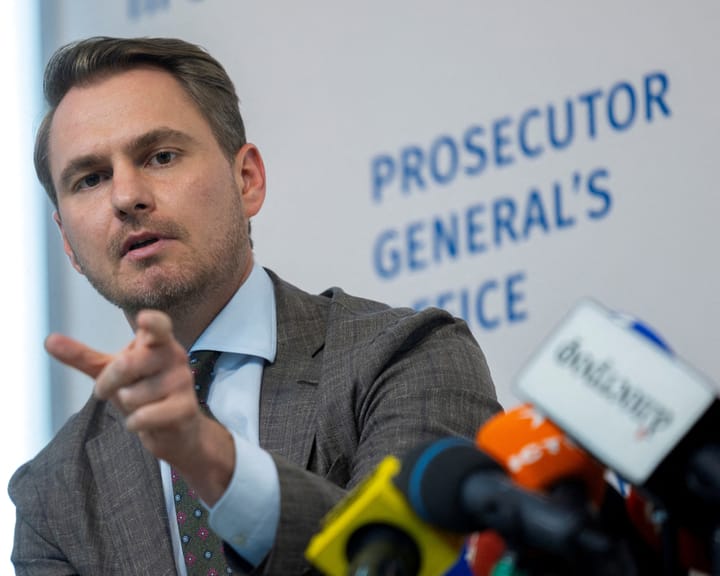
Prosecutor general resigns amid political turmoil in Kyiv during Ukraine war
Ukraine’s prosecutor general Ruslan Kravchenko resigned amid corruption accusations after anti-graft officers searched his offices at the weekend. He called the allegations “completely unsubstantiated” and denied wrongdoing. The National Anti-Corruption Bureau (NABu) and Specialised Anti-Corruption Prosecutor’s Office (Sapo) announced Saturday they uncovered a money-laundering