
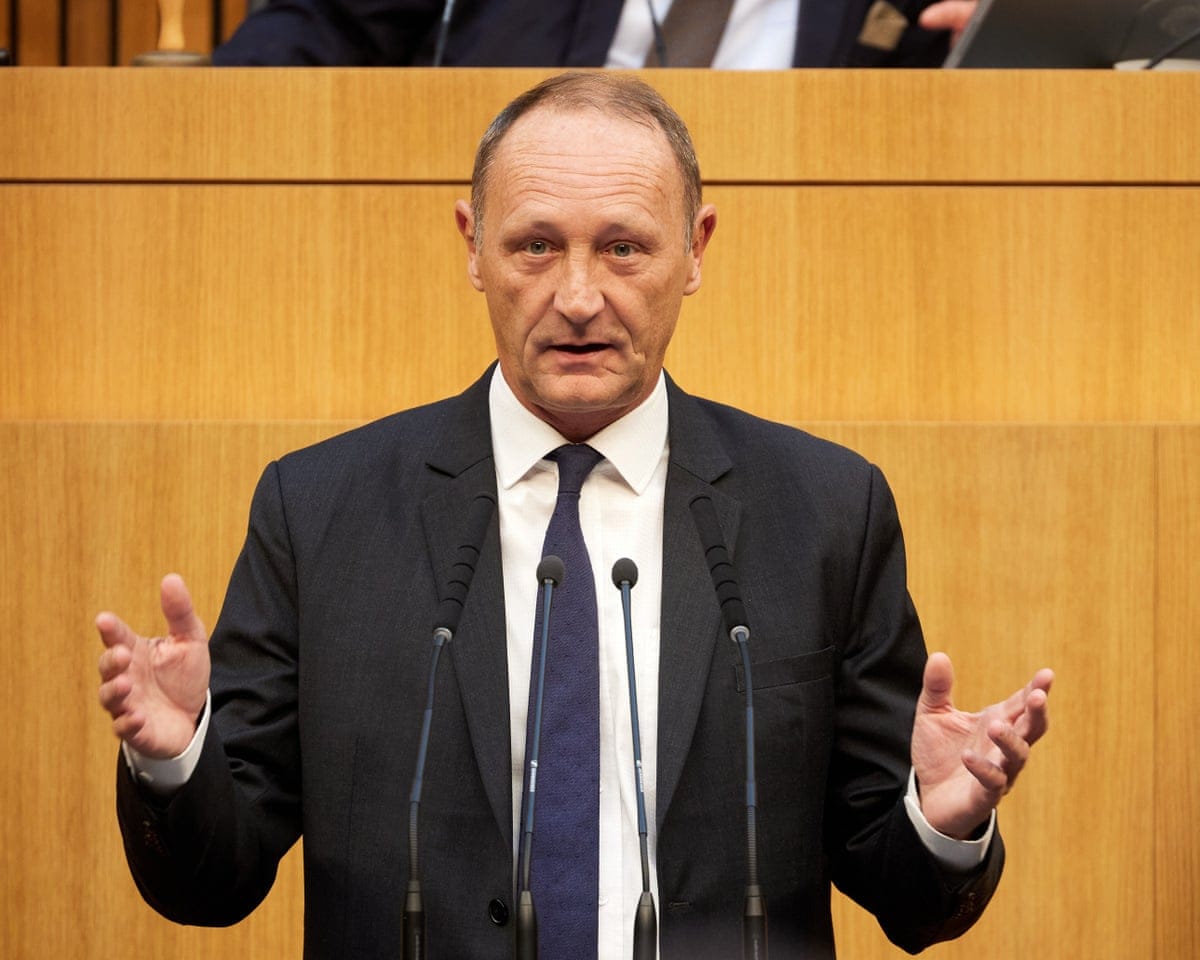
Austrians Criticize Far-Right Lawmakers for High Earnings Despite Populist Rhetoric
Austrians have expressed frustration toward far-right lawmakers for being the top earners in parliament, accusing the self-proclaimed defenders of the working class of hypocrisy due to their substantial additional incomes.
Mandatory income declarations for 2024 showed that members of the anti-immigration Freedom Party (FPÖ), which won the most votes in September’s general election, had the highest supplementary earnings among parliamentarians.
According to the data, seven FPÖ lawmakers earned more than €12,000 (£10,400) per month from roles as notaries, lawyers, and business executives, on top of their parliamentary salaries of roughly €10,000. On average, far-right politicians had nearly two additional income sources, more than any other group in parliament.
“How do they have time for such well-paid side jobs? As someone in an average-paying job who struggles with budget cuts, it feels unfair,” wrote one Facebook commenter in response to the report. Another added on Instagram, “They claim to represent the working class but live very differently.” A third sarcastically remarked, “Their days must be longer than ours.”
Opponents seized on the findings to criticize the FPÖ, despite polls showing one in three Austrians supports the party.
Nico Marchetti, general secretary of the co-ruling People’s Party (ÖVP), questioned their credibility, saying, “A party that stirs up resentment while claiming to fight for ordinary people should be scrutinized.” Klaus Seltenheim of the Social Democrats (SPÖ) called it an example of the “FPÖ’s hypocrisy.”
Earlier this year, the ÖVP formed Austria’s first three-party coalition to prevent the FPÖ—which has been accused of anti-Muslim and pro-Kremlin leanings—from taking power, despite its electoral success. It was the first time since the Nazi era that the far right had won a national vote.
The highest-earning lawmaker was FPÖ’s Axel Kassegger, who held nine paid positions, including corporate leadership roles and a seat on the supervisory board of regional energy firm Energie Steiermark.
Though the FPÖ faced the strongest criticism, other parties were also well-represented among the highest earners. The list included four ÖVP members, three each from the pro-business NEOS and the Greens, and two Social Democrats.
In response, the FPÖ dismissed the backlash as an attempt to divert attention from government failures, citing “record debt, high inflation, rising unemployment, and three years of recession.” The party maintained that all outside earnings were transparent and legal.
Before the September election, the FPÖ had launched an aggressive campaign, blaming the ruling parties for economic hardship.
Read next
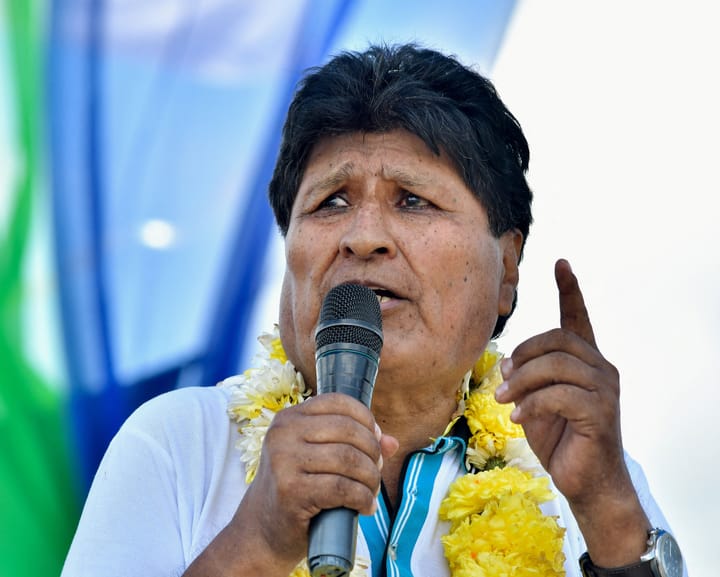
Bolivia Probes Ex-President Evo Morales for Suspected Involvement in 2009 Killings
The Bolivian attorney general has initiated an investigation into former leftist president Evo Morales, citing allegations of his involvement in the murder and torture of European nationals in 2009.
In 2009, police conducted a raid on a Santa Cruz hotel, resulting in the deaths of Eduardo Rózsa Flores, a Bolivian-

Argentina Closes Iguazu Falls Temporarily Due to El Niño-Induced Water Surge
Heavy rainfall driven by a potent El Niño weather pattern temporarily led Argentinian authorities to close tourist access to the renowned Iguazu Falls. The closure occurred due to concerns that rising water levels might cause the river to overflow its banks.
On Monday, national park officials implemented this precautionary measure
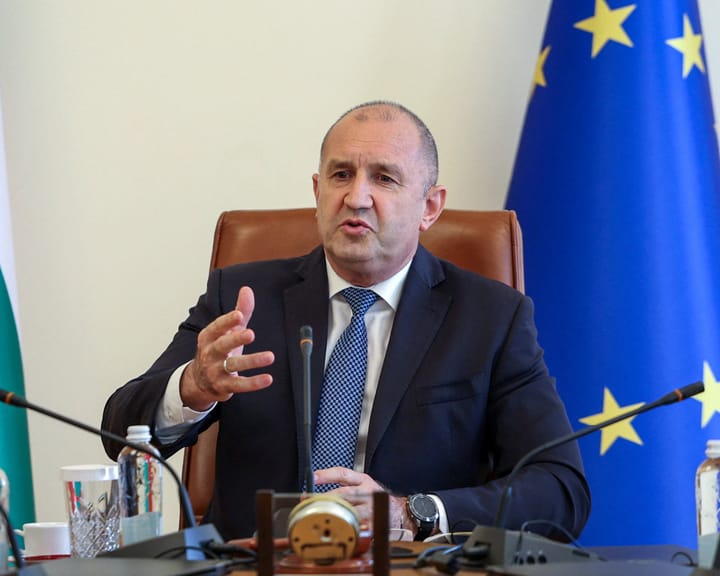
Mysterious Drones Strike Two Vessels Near Bulgarian Coast – Europe Live
Morning Update: Two Ships Targeted by Drones Off Bulgarian Coast
This morning, two ships in the Black Sea near Bulgaria were struck by drones of unknown origin. The attack led to the sinking of one vessel and initiated emergency rescue operations, as reported by Bulgarian Prime Minister Rumen Radev. Rescue