
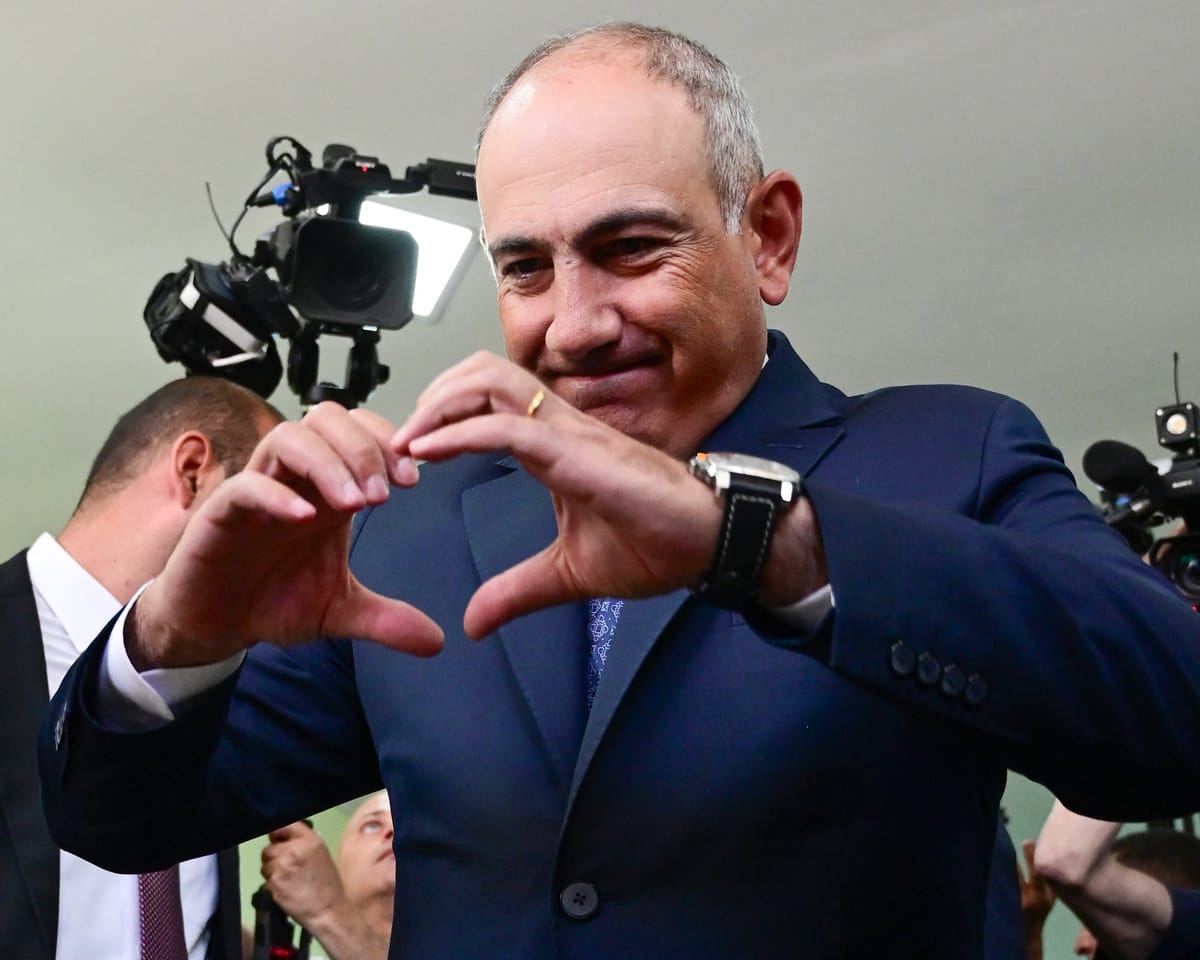
In Armenia, campaigning on the loss of ancestral lands and seeking reconciliation with a long-term adversary is not political suicide. Prime Minister Nikol Pashinyan was re-elected on Sunday in the nation of 3 million people, despite overseeing a crushing military defeat to Azerbaijan three years prior.
Pashinyan defeated several pro-Russian rivals, most notably billionaire Samvel Karapetyan, who built his wealth in Russia. The Prime Minister’s platform focused on achieving a peace agreement with Azerbaijan—following decades of bloody conflict since the Soviet era—and normalizing relations with Turkey, which has kept its border closed for over thirty years.
Pashinyan argued that reopening these trade routes would foster new economic opportunities and strengthen ties with the US and Europe, thereby reducing Moscow's enduring economic influence over the country. To achieve this, he urged citizens to move past the loss of Nagorno-Karabakh. This disputed region was held by Armenian forces for nearly thirty years until Azerbaijan reclaimed it by force in 2023, causing over 100,000 ethnic Armenians to flee.
Shortly before the vote, Pashinyan labeled the decision to stop fighting for Nagorno-Karabakh as one of his primary successes, stating that the Republic of Armenia had been "freed from the conflict trap."
Richard Giragosian, director of the Yerevan-based Regional Studies Centre, suggested that Pashinyan bet on the public's desire to prioritize the future over the past. Giragosian noted that Armenia seeks to cut its losses and move forward, observing that the taboo of normalizing ties with Turkey has largely vanished and many Armenians accept the reality of their military defeat.
However, this view is not universal. The loss of Karabakh remains a deeply painful issue. During the campaign, Pashinyan was filmed in aggressive confrontations with refugees who accused him of abandoning historic claims for the sake of peace. Karapetyan utilized AI-generated videos depicting Azerbaijanis settling in Armenia to fuel opposition.
These sentiments were amplified by Russia, which researchers say launched an intense series of overt and covert influence operations. Simultaneously, Moscow increased economic pressure on Armenia by imposing restrictions on key imports and issuing warnings.
Read next
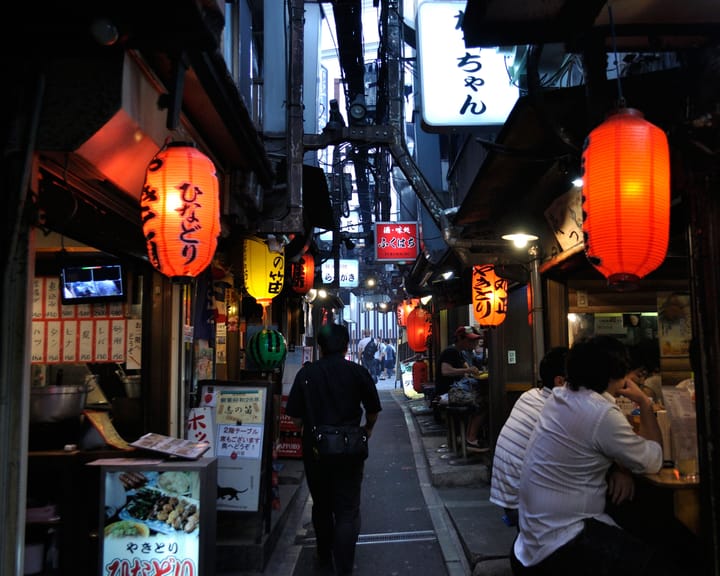
Tokyo tourist hotspot outlaws short-term rentals amid complaint surge
Shinjuku Ward, Tokyo, has moved to ban short-term rental accommodations in residential areas and near schools and important cultural sites, following a slew of complaints about visitor behaviour. The decision, to be enacted through a local ordinance, marks the latest sign that Japan’s patience with mass tourism is
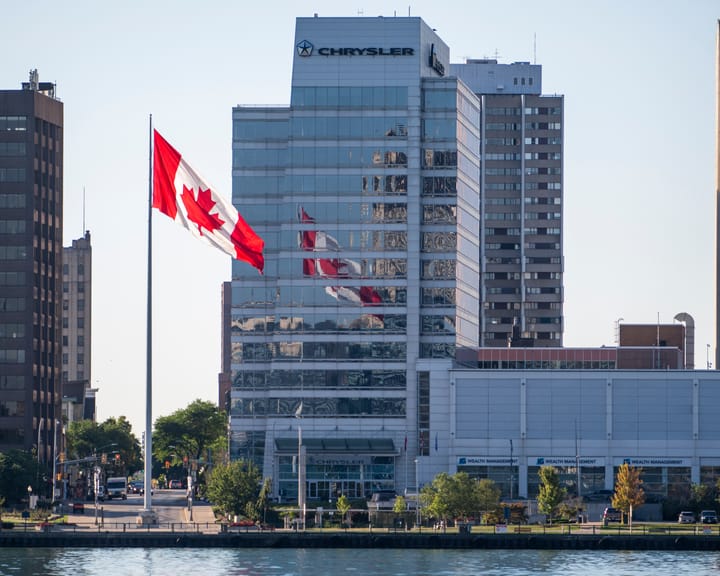
Canada implements retaliatory US tariffs as trade dispute intensifies
Canada’s retaliatory tariffs on about $20 billion worth of American imports took effect at 12.01am on Tuesday, ranging from 15% to 50% and applying to steel, dairy, appliances, agricultural equipment, pulp and paper, and electronics. The measures, a response to the United States’ 50% tariff on $20 billion
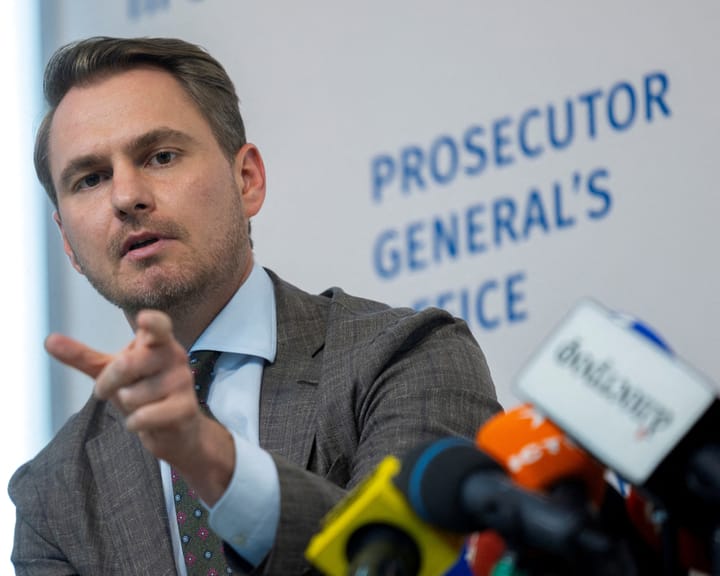
Prosecutor general resigns amid political turmoil in Kyiv during Ukraine war
Ukraine’s prosecutor general Ruslan Kravchenko resigned amid corruption accusations after anti-graft officers searched his offices at the weekend. He called the allegations “completely unsubstantiated” and denied wrongdoing. The National Anti-Corruption Bureau (NABu) and Specialised Anti-Corruption Prosecutor’s Office (Sapo) announced Saturday they uncovered a money-laundering