
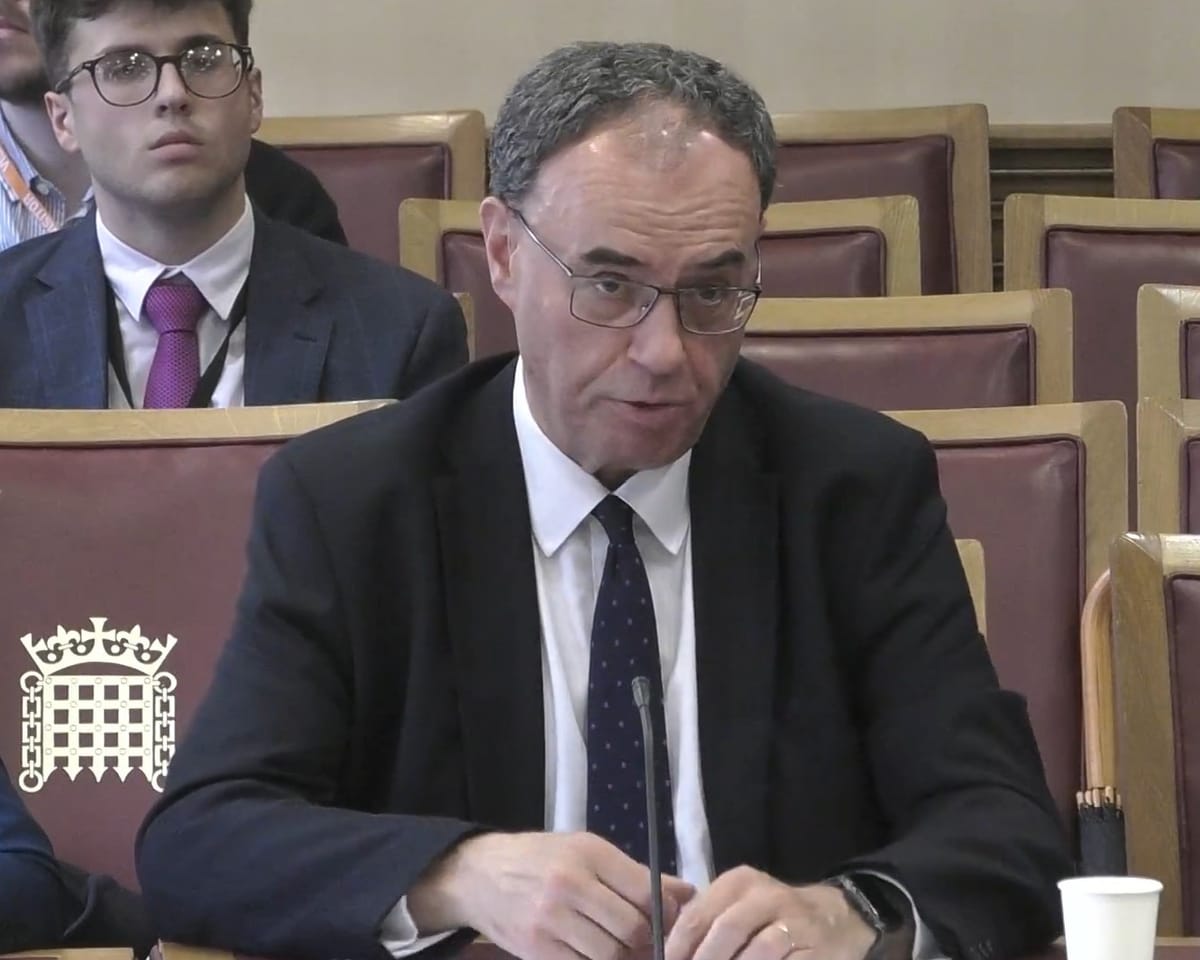
The head of the Bank of England has advised against overstating the significance of a sharp increase in the UK’s long-term borrowing costs, explaining it reflects a broader international trend.
During a discussion with MPs, Andrew Bailey noted that the Treasury had maintained stable borrowing rates for much of the year, even as yields on 30-year government bonds reached their highest level in 27 years.
Bailey’s remarks may ease concerns for Rachel Reeves, who faces growing scrutiny due to rising debt expenses ahead of a budget announcement scheduled for 26 November.
He clarified that since the government has shifted toward shorter-term borrowing—five or ten years instead of thirty—its overall financing expenses have not risen this year. Analysts, he said, should avoid giving the long-term bond rate excessive attention.
“There has been significant focus on this, but I would not overstate the importance of the 30-year bond rate,” Bailey stated. “It’s frequently cited, and while it is high, it currently doesn’t affect actual borrowing.”
He attributed the rise in long-term bond yields largely to pension funds reducing their exposure to long-dated financial instruments.
“Yield curves have steepened across advanced economies… the main factor behind this is global in nature,” he explained.
Yields reflect the interest rates investors require when lending to governments or corporations.
Speaking to the Treasury committee, Bailey also expressed greater uncertainty about the timing of future interest rate reductions by the Bank.
Bailey, who supported last month’s decision to lower rates from 4.25% to 4%, remarked, “While we’ve taken another step, and while I expect further gradual declines over time, policy remains restrictive… there is now much more uncertainty about how soon and how quickly we can proceed.”
He added, “That was the message I intended to convey, and market reactions indicate it has been understood.”
A recent survey of economists suggested expectations of another rate cut by year-end, followed by an additional reduction in early 2026.
However, UK inflation has since risen to 3.8%, significantly above the 2% target and the highest among major advanced economies.
Current projections from the Bank indicate inflation may reach 4% later this month, only returning to target by mid-2027.
In response to updated data, financial markets now anticipate the next rate cut will be delayed until April 2026.
Bailey’s comments coincided with a stabilization in global bond markets and a drop in long-term yields, helping the pound strengthen to $1.34 against the dollar, recovering some of its recent declines.
European stock markets also saw gains as bond market volatility eased. In London, the FTSE 100 rose 61 points, or 0.67%.
Read next
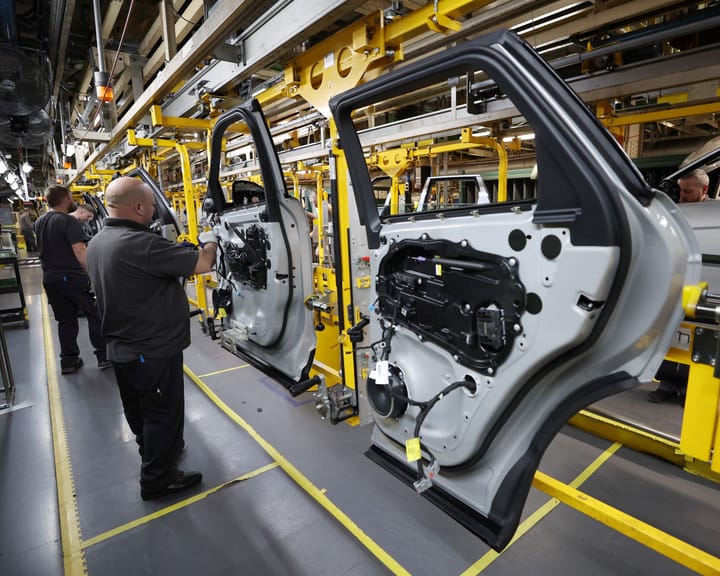
Jaguar Land Rover suppliers voice ‘everything is against us’ amid cutbacks
David Roberts, chair of Coventry-based Evtec, says the outlook for Britain’s automotive sector is grim, with “everything against us.” Evtec is a tier 1 supplier to Jaguar Land Rover, which this week announced 4,000 job cuts over two years despite chancellor John Healey’s attempt to talk

Europe’s fighter jet plans in disarray: what comes next?
When former ECB president and Italian PM Mario Draghi urged Europe to catch up economically with the US and China, defence collaboration was prescribed. No more should each nation build independent boats, tanks or jets; allies should share costs and technologies.
Europe stumbled at the first hurdle. German Chancellor Friedrich
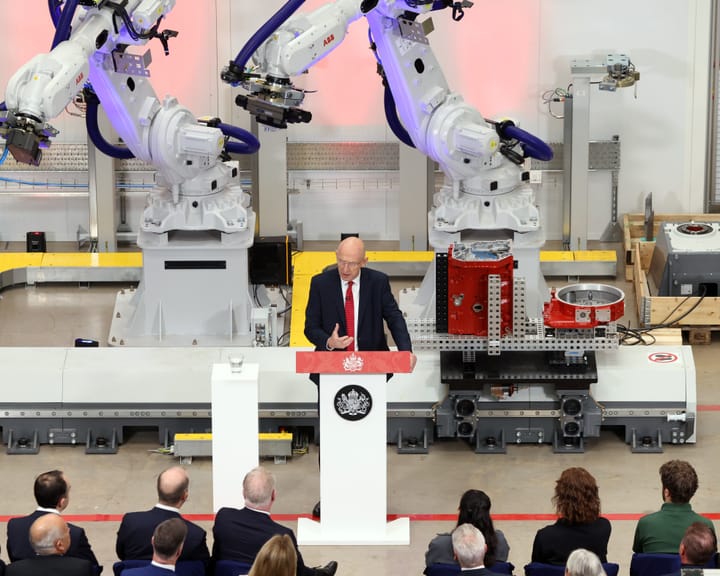
John Healey supports growth but insists Labour must be truthful about spending
John Healey has stated that his primary goal as chancellor will be to boost economic growth, while acknowledging that Labour must be straightforward about controlling public spending at next month's budget.
In his first major address since assuming the role in July, Healey said the leading focus of