
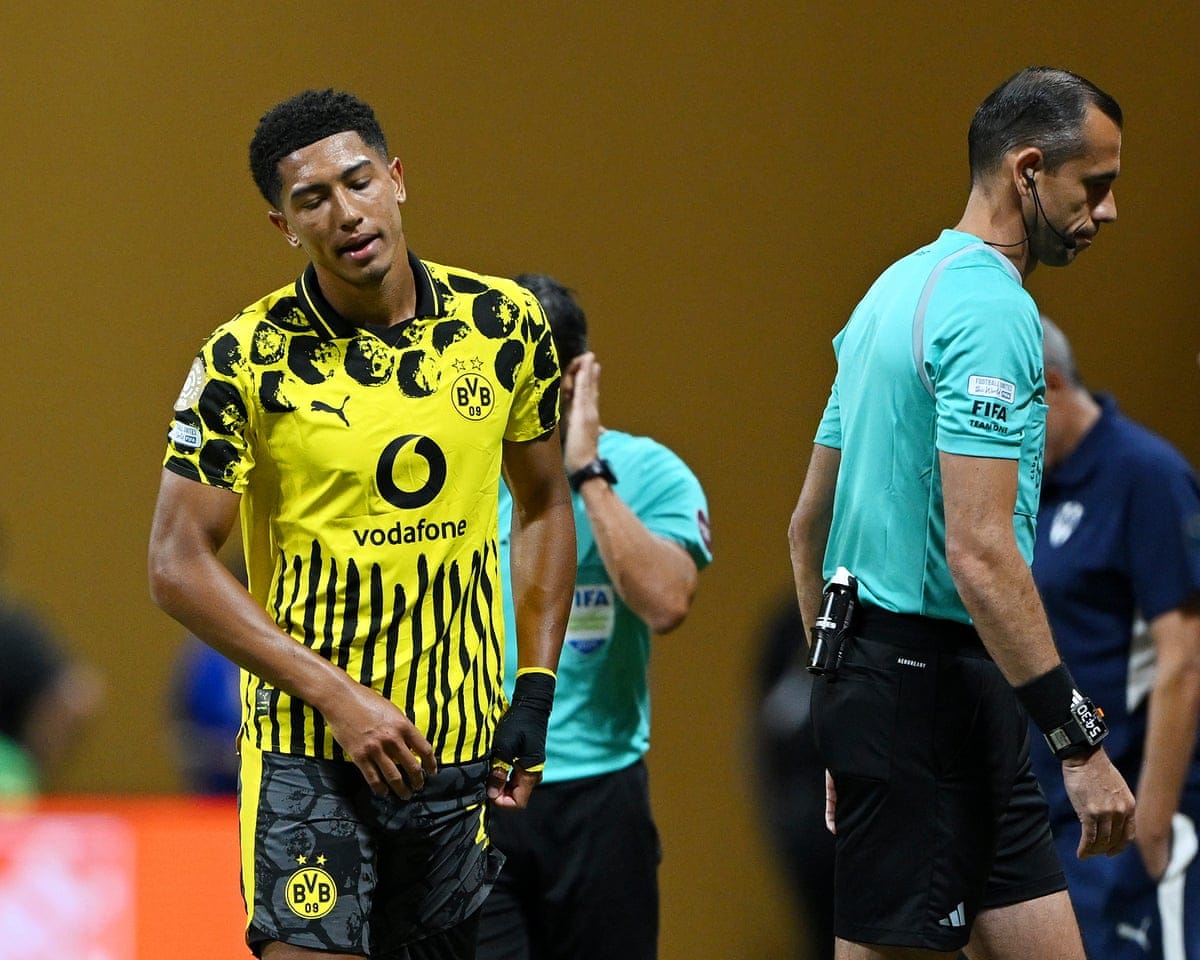
Jobe Bellingham was left frustrated after receiving an early yellow card for a challenge on Nelson Deossa against Monterrey, a booking that ruled him out of the next match in the Club World Cup. The disappointment lingered the following day.
The realization struck at half-time as he walked down the tunnel, and the sense of loss didn’t fade quickly. Missing the next match wasn’t just any game—it was the fixture against Real Madrid, the first time he would have shared the pitch with his brother Jude, a moment so significant that it had been part of the reason he joined Borussia Dortmund in the first place. Along with a discreet meeting.
The morning after Sunderland secured victory in the Championship playoff final against Sheffield United at Wembley, Dortmund’s CEO, Hans-Joachim Watzke, arrived at the team’s London hotel wearing a cap and sunglasses to avoid attention. Dortmund had followed the match closely, aware that a loss might leave Bellingham unwilling to discuss his future. Watzke navigated past fans—who had celebrated late into the night—and made his way through the lobby. “We talked about the best path forward for him,” Watzke later commented.
Dortmund left the meeting hopeful, but no agreement had been finalized. Other clubs, including both Milan sides and Real Sociedad, were also in the running. While Germany was considered an ideal destination for the 19-year-old, Eintracht Frankfurt and Leipzig were also in talks with him.
Dortmund had feared they might lose out, with Leipzig appearing to be the most likely choice, especially as Bellingham still had a meeting scheduled with Frankfurt before going on vacation with his brother. The club had known Jobe since his childhood, and his family had a strong connection to Dortmund, but that provided no certainty—it might even have worked against them.
Dortmund’s scouts were confident in the younger Bellingham’s abilities, though they exercised more caution than they had with Jude, precisely because of Jude. They wanted to ensure their evaluation was based solely on Jobe’s merits, seeing him as a player who could become one of the Bundesliga’s finest. Jobe himself had been hesitant, unsure at first about following in his brother’s footsteps. Sporting director Lars Ricken asked Watzke to speak with him personally, leading to a quick trip to England—first to the northeast, then London—the day after the playoff final.
“I told him he needed to choose the path that was right for him, regardless of who had taken it before,” Watzke said. There was no reason to reject the best option just because it wasn’t uncharted territory. “He wears *Jobe* on his shirt for a reason,” remarked sporting director Sebastian Kehl. “Jobe is his own person—he wants to carve his own path. Everyone at Dortmund worked hard to make this happen, and we’re pleased it worked out.”
Read next
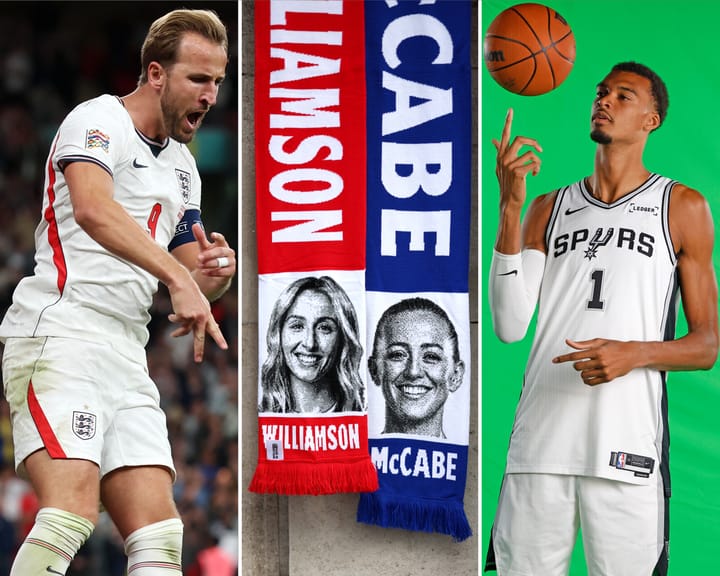
Weekly Sports Quiz: Focus on Harry Kane, Victor Wembanyama, and WSL Champions
Local Community Efforts Drive Environmental Change
In a small town nestled between rolling hills and dense forests, residents have taken it upon themselves to spearhead a movement aimed at fostering environmental sustainability. This grassroots initiative is drawing attention for its comprehensive approach to tackling ecological challenges.
At the heart of
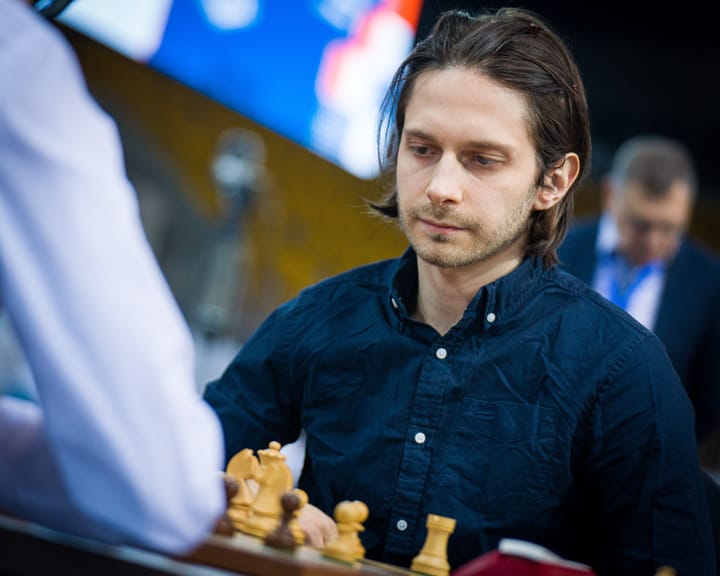
France and US Reign in Rapid and Blitz at Pall Mall Masters Chess Event
Mastering chess in central London is uncommon, though the annual ChessFest in Trafalgar Square draws over 20,000 visitors.
In London's Pall Mall club scene, the RAC clubhouse has been the site for the Oxford vs. Cambridge Varsity match for nearly fifty years. In 2023, the Athenaeum hosted
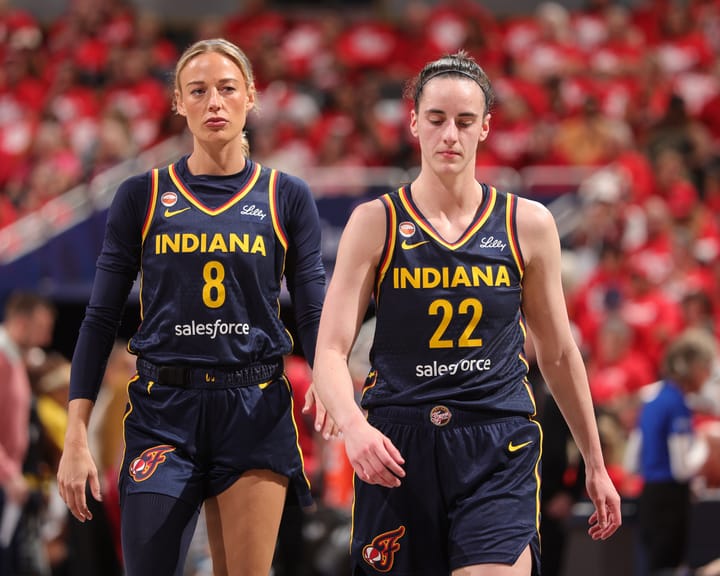
Indiana Fever and the Magasphere: A Risky Route to Fame for a WNBA Team
The Indiana Fever's season has concluded, marked by both its on-court performance and off-court controversies. Despite being eliminated by the Las Vegas Aces for the second consecutive year, the team has drawn significant attention, becoming a focal point in the WNBA this season.
The Fever'