

Boeing Faces Potential Strike as Union Workers Reject Contract Offer
More than 3,200 union workers at three Boeing plants near St. Louis, which manufacture U.S. fighter jets, are expected to go on strike after voting against a proposed contract that included a 20% wage increase over four years.
Members of the International Machinists and Aerospace Workers union in District 837 overwhelmingly rejected the agreement. Though the existing contract was set to expire at 11:59 p.m. Central time on Sunday, a “cooling off” period will delay any strike action until August 4.
Union leaders had previously endorsed the deal, describing it as a significant step forward when it was introduced last week. They had highlighted improvements in medical coverage, pension plans, and overtime benefits in addition to the wage increase.
The vote occurred two days before Boeing’s scheduled second-quarter earnings report. Earlier this month, the company reported delivering 150 commercial aircraft and 36 military planes and helicopters in the quarter, up from 130 and 26 in the previous quarter. Boeing’s stock closed at $233.06 per share on Friday, rising by $1.79.
The union did not specify why workers opposed the contract, only stating that it failed to meet their key concerns and acknowledge their contributions. Last year, Boeing offered a 38% wage increase over four years to resolve a 53-day strike involving 33,000 workers in its passenger aircraft division.
“Our members are united in seeking a fair agreement that values their efforts and guarantees stability,” the union said in a statement.
Dan Gillan, a senior Boeing executive and general manager in St. Louis, said the company was “preparing for a strike” while calling the rejected proposal the most substantial offer ever made to the local union.
“No further discussions with the union are planned,” said Gillan, who also serves as vice president of Boeing Air Dominance, the division responsible for producing military jets like the Navy’s Super Hornet and the Air Force’s Red Hawk trainer.
Read next
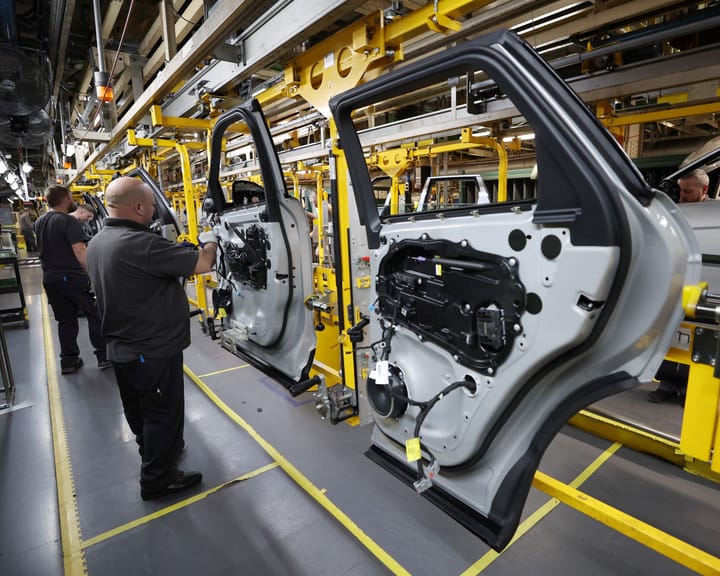
Jaguar Land Rover suppliers voice ‘everything is against us’ amid cutbacks
David Roberts, chair of Coventry-based Evtec, says the outlook for Britain’s automotive sector is grim, with “everything against us.” Evtec is a tier 1 supplier to Jaguar Land Rover, which this week announced 4,000 job cuts over two years despite chancellor John Healey’s attempt to talk

Europe’s fighter jet plans in disarray: what comes next?
When former ECB president and Italian PM Mario Draghi urged Europe to catch up economically with the US and China, defence collaboration was prescribed. No more should each nation build independent boats, tanks or jets; allies should share costs and technologies.
Europe stumbled at the first hurdle. German Chancellor Friedrich
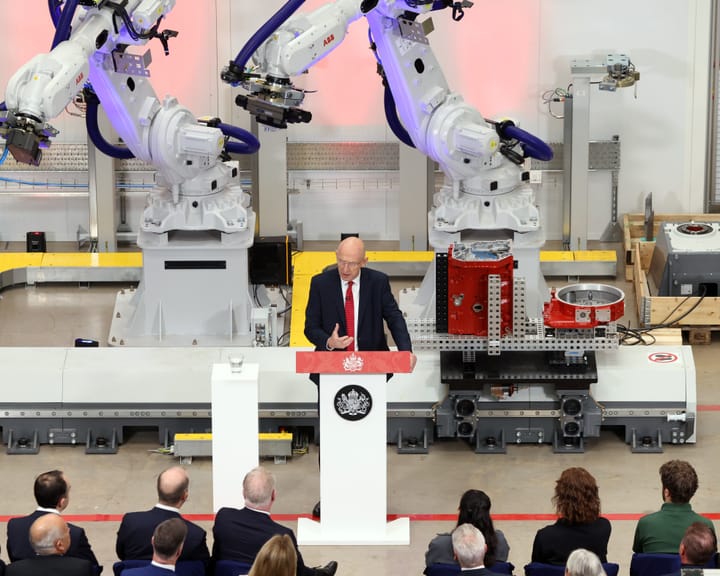
John Healey supports growth but insists Labour must be truthful about spending
John Healey has stated that his primary goal as chancellor will be to boost economic growth, while acknowledging that Labour must be straightforward about controlling public spending at next month's budget.
In his first major address since assuming the role in July, Healey said the leading focus of