
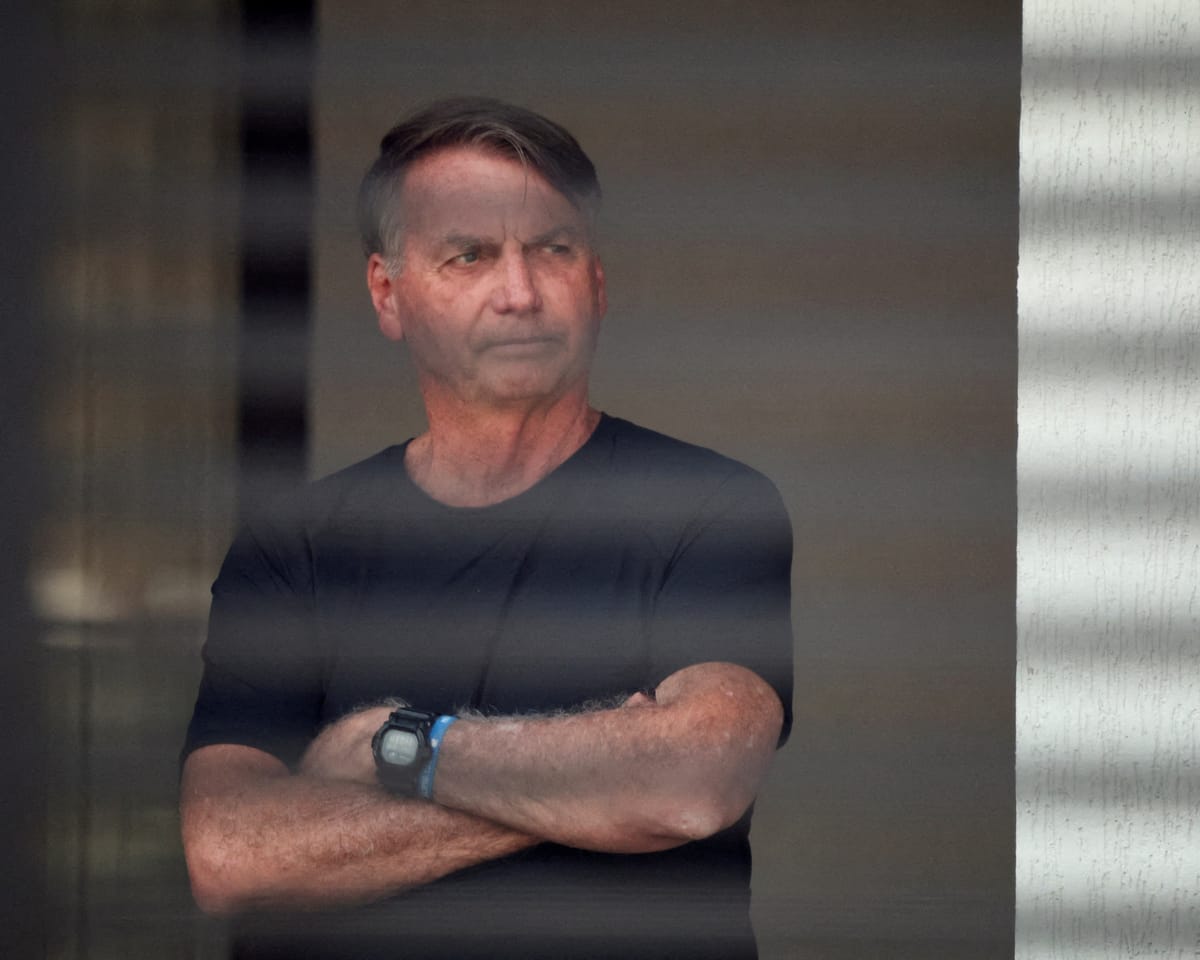
Brazil's ex-president Jair Bolsonaro and seven associates, including four high-ranking military officials, are now on trial for allegedly planning to overthrow the government—marking the first instance in Brazil's history where such prominent figures face legal consequences for attempting to subvert democracy.
Bolsonaro, a former paratrooper who transitioned into far-right politics and led the country from 2019 to 2023, is accused of orchestrating an unsuccessful effort to cling to power after losing the 2022 election to leftist leader Luiz Inácio Lula da Silva.
If convicted, Bolsonaro and his alleged co-conspirators—among them three army generals and a former navy commander—could receive lengthy prison sentences for their roles in the failed scheme.
The Supreme Court started the trial on Tuesday, a process expected to last two weeks. Between September 2 and 12, five justices will determine their fate in a series of televised sessions.
Since becoming a republic in 1889 following the overthrow of its last emperor, Pedro II, Brazil has witnessed over a dozen attempted seizures of power. The last successful takeover occurred in 1964, when U.S.-backed generals ousted then-president João Goulart, citing a supposed communist threat, and imposed a 21-year military dictatorship.
However, historian Danilo Araújo Marques noted that this trial marks the first time top military leaders or a former president have been prosecuted for undermining democracy. "This is genuinely unprecedented and historic," said Marques, a researcher with the Projeto República group at the Federal University of Minas Gerais.
"In past coup attempts that failed, amnesty was granted—now we're seeing the opposite," Marques added, describing the trial as proof of Brazil's institutional resilience since democracy was reinstated in 1985. "This is a crucial test for our democracy, and it could emerge stronger."
As the trial began, Donald Trump, the U.S. president, attempted to interfere in what observers called an extraordinary effort to disrupt proceedings, straining relations between the two nations.
Claiming Bolsonaro was being unfairly targeted, Trump imposed steep tariffs on Brazilian imports and sanctioned the case's lead judge, Alexandre de Moraes. Other Supreme Court justices and officials in Lula's administration have had their U.S. visas revoked. Bolsonaro's son, congressman Eduardo Bolsonaro, relocated to the U.S. to rally support from Trump allies for his father's cause.
"This is political meddling backed by economic pressure," remarked Thomas Shannon, a former U.S. ambassador to Brazil, regarding Trump's tariff strategy.
Shannon suggested Trump's goal was clear: to derail the prosecution, revive Bolsonaro's diminished political prospects, and potentially enable the barred former leader to run against Lula in the next presidential election.
Read next
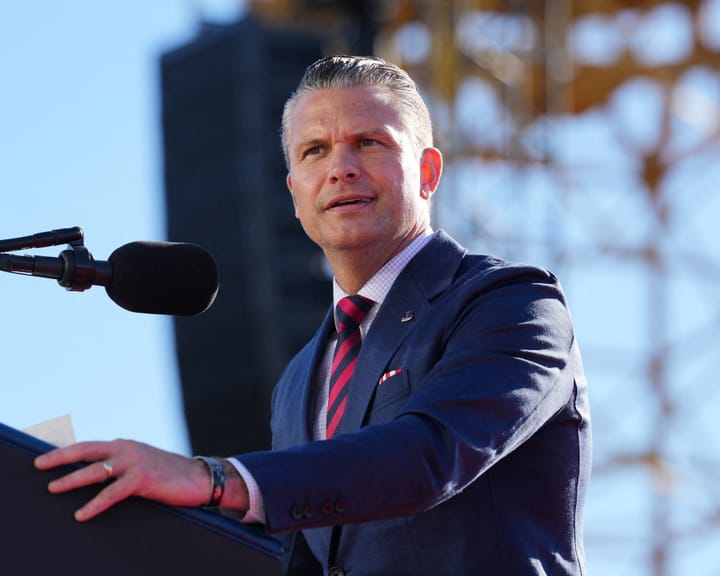
Pete Hegseth's proposal to stream executions aligns US with controversial nations.
If the US defense secretary, Pete Hegseth, proceeds with plans to livestream the execution of a soldier radicalized to extremist Islam, who killed 13 people at a military base in Texas, the US would join a group of lesser powers and rogue actors known for public executions in recent years.
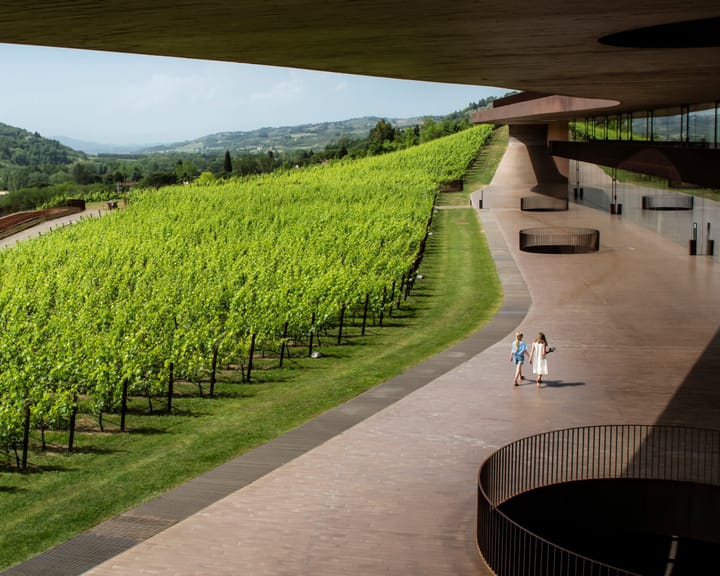
Criminals steal €5m from renowned Italian winery
In a significant theft in Tuscany, thousands of wine bottles valued at €5 million have been stolen from the renowned Marchesi Antinori winery, marking what is considered the largest heist of its kind in Italy. A group of at least seven masked individuals breached the winery's cellar in
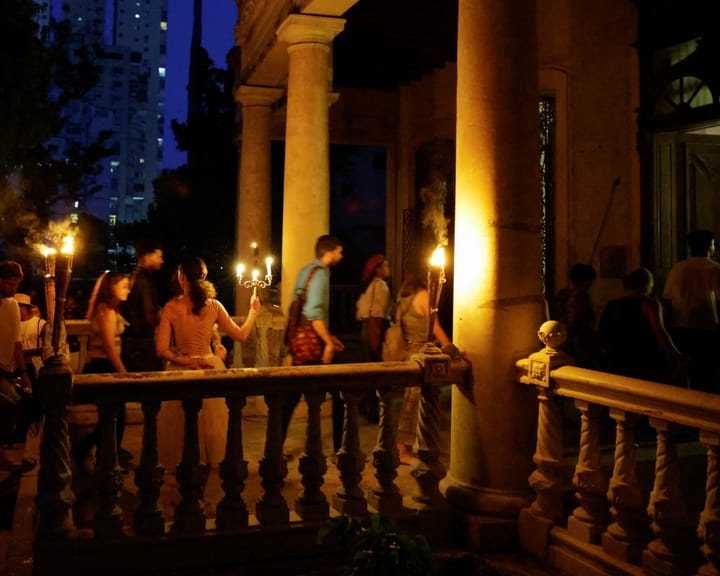
Illuminated Theater in Havana – A Photographic Journey
Widespread blackouts have become more frequent in Cuba since the US imposed energy sanctions in January. These outages often last longer than 24 hours as the aging electrical grid struggles to cope. The Impulso theatre group has been forced to adapt, as the power cuts present significant challenges for the