
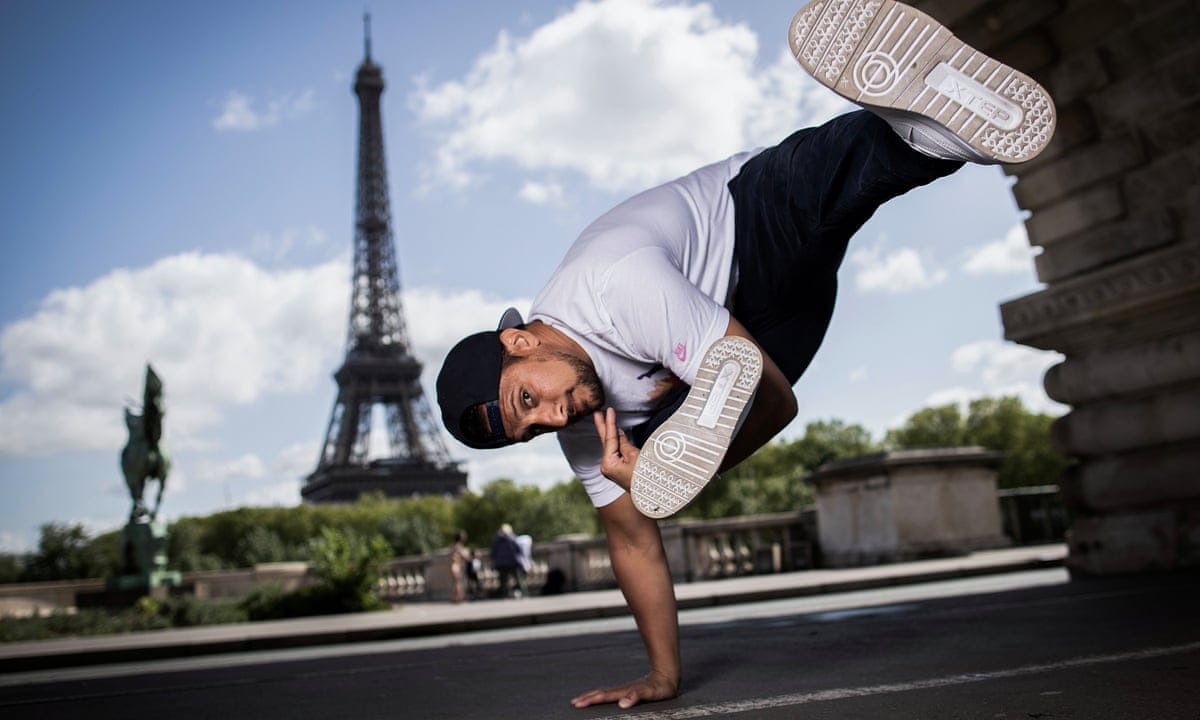
Thousands of athletes, spectators, and officials gather in Paris for next Friday's opening of the Paris Olympics, where 41-year-old Frenchman Nicolas Guilloteau hopes to create a "magical moment" that will be remembered throughout history.
Guilloteau is not competing as an athlete but rather as DJ One Up, providing music for breakdancers making their Olympic debut this year under his stage name. Breakdancing, or breaking, is one of two new Olympic sports in Paris and introduces a unique role that combines elements of both athleticism and artistry: the disc jockey.
Unlike traditional Olympic sports with musical accompaniments such as artistic swimming and figure skating, breakdancers do not choose their own music. DJs like Guilloteau aim to create an atmosphere for the dancers by using familiar tunes but also strive to surprise them with lesser-known music pieces.
Breaking is deeply rooted in the evolution of hip hop culture, which originated from the Bronx borough in New York City during the 1970s. The sport's name refers to the instrumental section of a funk track that DJ Kool Herc would loop by using two turntables, creating an iconic "break."
Modern breaking competitions still utilize this technique to build soundtracks for dancers as they showcase their various moves. However, unlike at parties or nightclubs, competition disc jockeys must be quick-thinking and adaptable due to the unpredictability of breakdancing routines.
DJs like Guilloteau curate a diverse playlist for competitions that includes both familiar tracks from various genres such as funk and prog rock, as well as unexpected selections that challenge athletes' expectations.
The process of turning breaking into an Olympic sport has required the establishment of rules and restrictions to fit its informal origins. DJs are limited to a playlist containing around 390 tracks, with their rights pre-approved for television broadcasts. Although the specific songs included in this list remain confidential, they consist of both expected and unique choices that will surprise and engage the athletes.
Breakdancing traditionally involves dancers competing against each other as part of a crew or team. However, at the Olympics, breakdancers face off individually on designated days for women and men in separate events held at Place de la Concorde.
Many DJs involved in breaking have prior experience with dance themselves, allowing them to understand the perfect mix that resonates best with dancers. While they cannot interact freely with their fellow competitors during the competition, international technical officials (ITOs) can exchange pleasantries with breakdancers while maintaining a fair and unbiased approach to music selection.
Despite some opposition from certain dancers towards specific musical choices made by disc jockeys, DJs remain focused on providing an enjoyable experience for all participants and strive to create equal opportunities for each breakdancer through their impartial selection of music.
Read next

Alexéi Rojas Urges Arsenal: "Fix Our Sustainability Practices with Passion"
Alexéi Rojas, former Arsenal goalkeeper, is known for his unique approach to both his career and environmental advocacy. "I enjoy being distinct in my identity and actions," Rojas says. His passion for being different led him to choose the goalkeeper position, where he now focuses on both saving
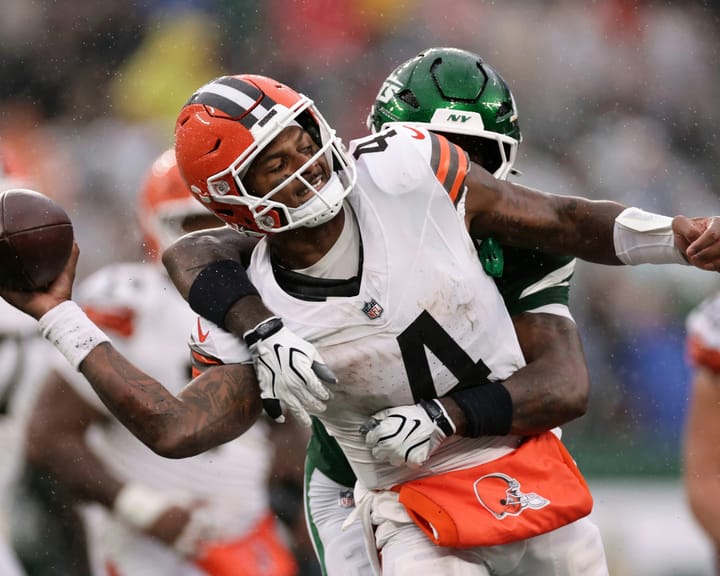
Browns Remain the Browns, and Deshaun Watson Stays True to Himself
On a day anticipated to be a celebration of Deshaun Watson's return, the New York Jets were not quite prepared for the reality of the game. Fans had hoped for a triumphant performance from Watson, which would have reinforced the Cleveland Browns' status as Super Bowl contenders.
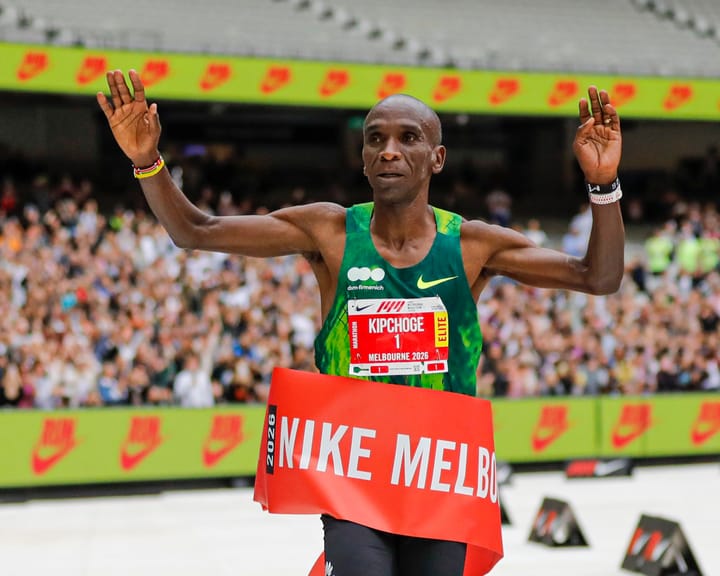
Eliud Kipchoge Triumphs in His First Marathon in Three Years, Claiming His Body Is Still at Its Best
Eliud Kipchoge, often regarded as Marathon's greatest competitor, has announced to the next generation of athletes that he remains active in the sport. The 41-year-old Kenyan celebrated his impressive debut at the Melbourne Marathon on Sunday, setting a new race record and captivating thousands of fans