
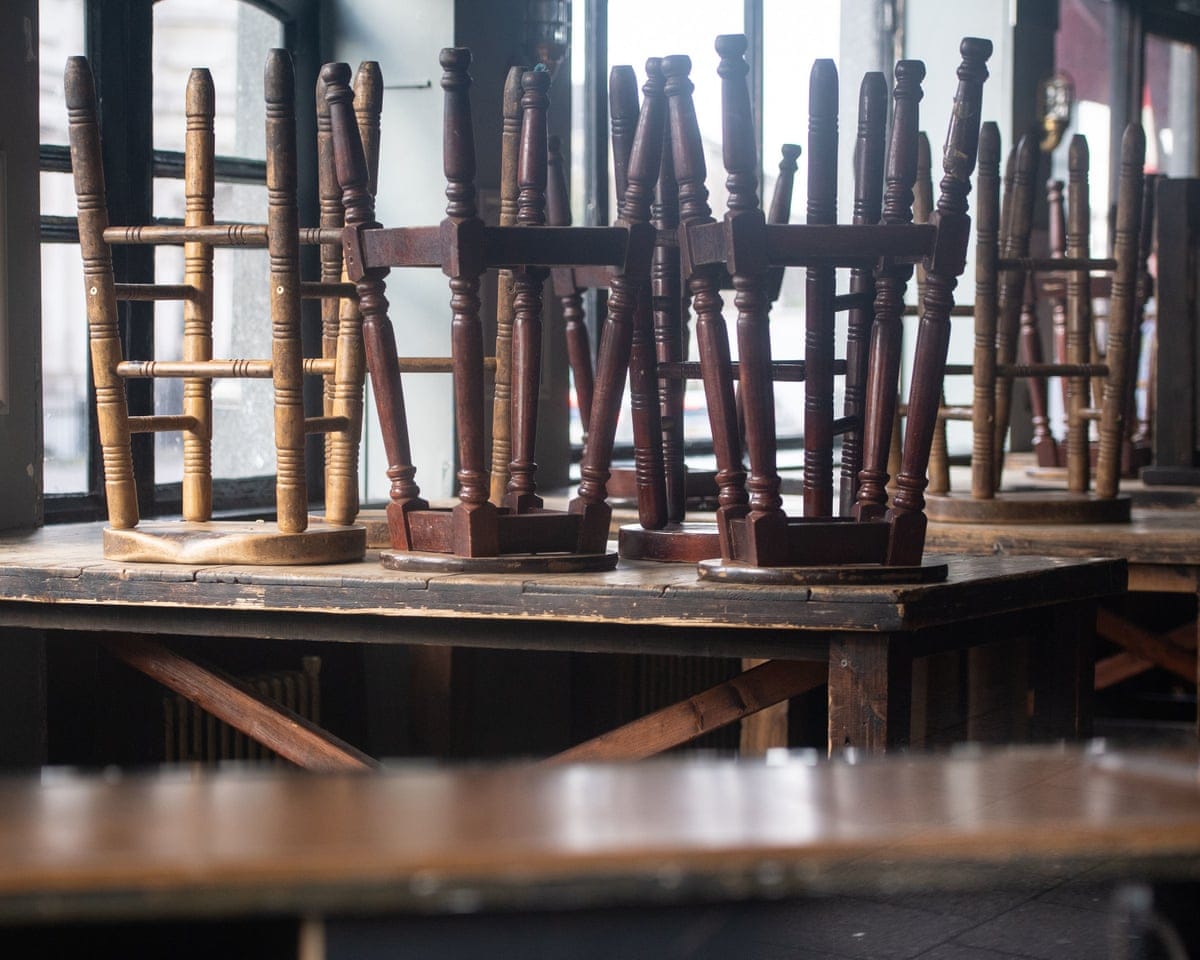
British pubs are shutting down at a rate of one per day this year, according to an industry group, which cites high taxation as a key factor. Simultaneously, hospitality leaders have urged officials to address rising operational expenses.
The British Beer and Pub Association (BBPA), representing over 20,000 UK pubs, predicts 378 closures in England, Scotland, and Wales in 2023, resulting in the loss of 5,600 jobs.
This marks an increase from the 350 closures recorded last year, continuing a long-term decline that has seen more than 15,000 pubs close permanently since 2000.
The BBPA identified business rates as one of the most challenging expenses for pub operators but emphasized there is still time for the government to adjust the tax system.
Business rates are determined by a property’s assessed rental value, calculated by the Valuation Office Agency.
Pubs often face disproportionately high business rates due to occupying costly buildings while operating on thin profit margins.
The BBPA also noted additional financial burdens, such as beer duty and VAT, with an estimated £1 out of every £4 spent on beer going directly to the government.
Further strains include increased employer national insurance contributions and new waste disposal regulations, which the BBPA claims impose double charges for glass bottle recycling.
These extended producer responsibility (EPR) rules reportedly add £60m per year in costs for the industry.
Emma McClarkin, BBPA chief executive, stated: "Pubs are seeing strong sales, but most revenue is consumed by bills and taxes. Many can’t turn a profit, leading to permanent closures."
"Yet, it’s not too late to reverse this trend. The government acknowledges the vital role of pubs—we seek no special favors, only a fair chance to thrive."
"We urge officials to reform business rates, reduce employment and EPR costs, and lower beer duty."
Separately, during a recent parliamentary hearing, hospitality leaders expressed concerns over rising energy expenses.
David Wigham of Admiral Taverns, overseeing 1,600 pubs, noted that energy costs remain up to twice as high as pre-Ukraine crisis levels.
Paul Wilson of the Federation of Small Businesses added that hospitality firms are especially affected by high energy prices due to customer reluctance to absorb cost increases, poor energy efficiency, and depleted financial reserves post-pandemic.
The BBPA has previously supported measures to ease fiscal pressures on pubs.
Read next
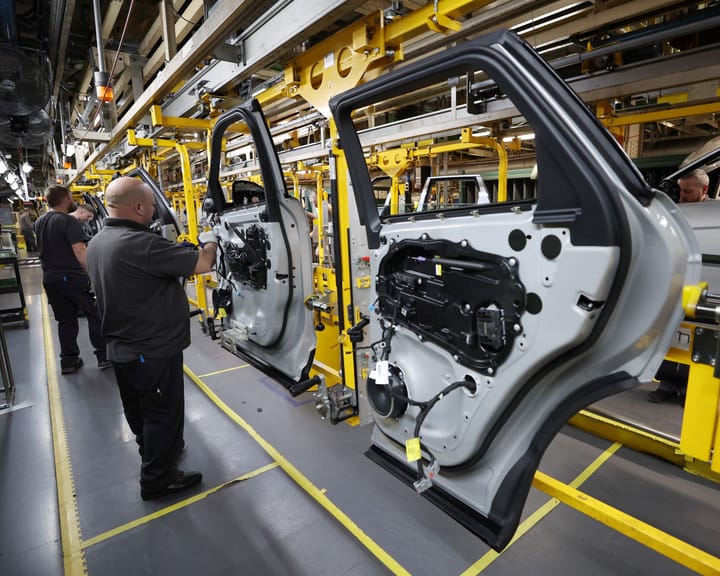
Jaguar Land Rover suppliers voice ‘everything is against us’ amid cutbacks
David Roberts, chair of Coventry-based Evtec, says the outlook for Britain’s automotive sector is grim, with “everything against us.” Evtec is a tier 1 supplier to Jaguar Land Rover, which this week announced 4,000 job cuts over two years despite chancellor John Healey’s attempt to talk

Europe’s fighter jet plans in disarray: what comes next?
When former ECB president and Italian PM Mario Draghi urged Europe to catch up economically with the US and China, defence collaboration was prescribed. No more should each nation build independent boats, tanks or jets; allies should share costs and technologies.
Europe stumbled at the first hurdle. German Chancellor Friedrich

John Healey supports growth but insists Labour must be truthful about spending
John Healey has stated that his primary goal as chancellor will be to boost economic growth, while acknowledging that Labour must be straightforward about controlling public spending at next month's budget.
In his first major address since assuming the role in July, Healey said the leading focus of