
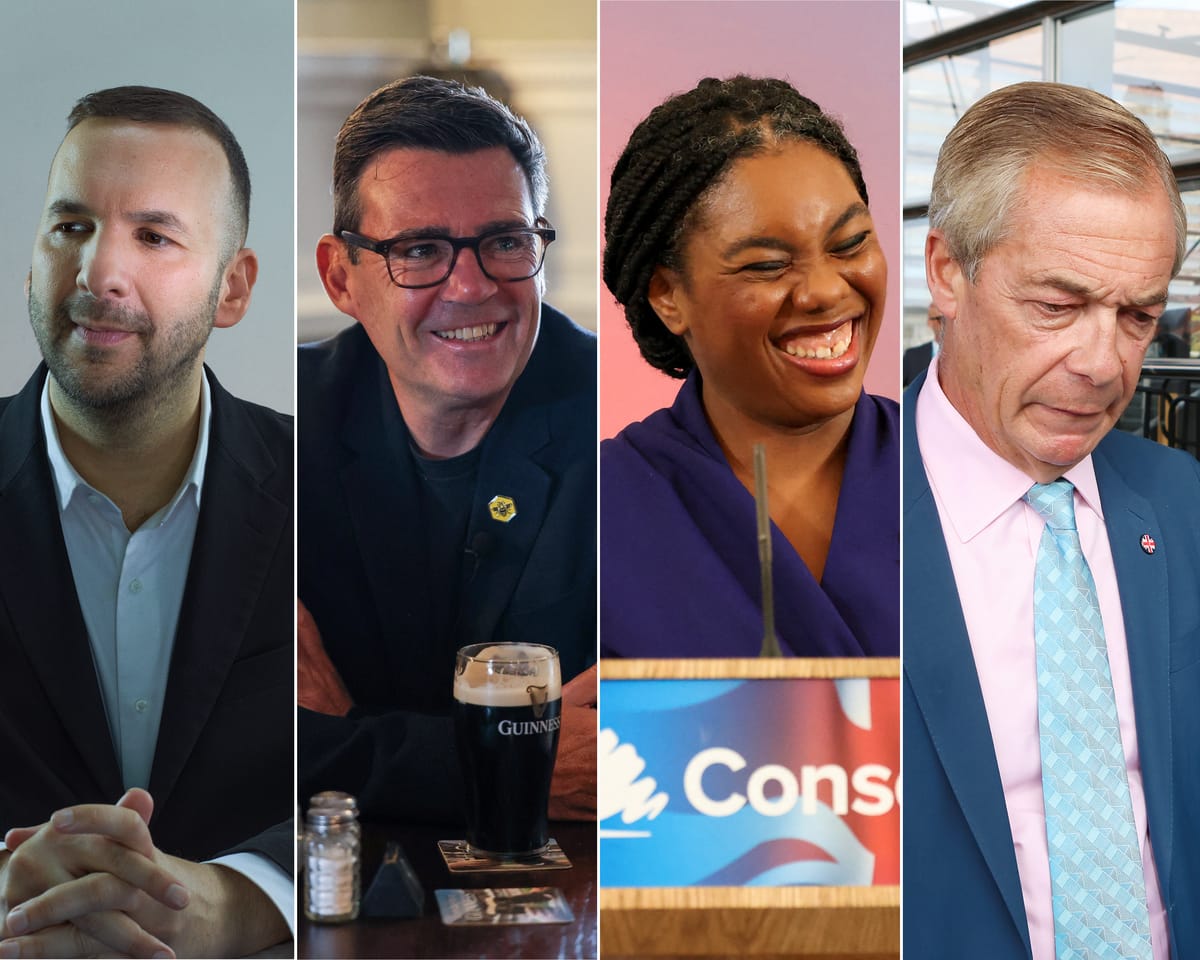
Winners
Andy Burnham
Andy Burnham's debut as Labour leader at the party conference was widely regarded as a success. His heartfelt speech, delivered without a tie or lectern and at times with tears, resonated deeply with Labour supporters. Even critics, including broadcaster Piers Morgan, praised it as one of the best speeches by a British politician in recent times.
Burnham proposed radical policies on social care, pensions, electoral reform, and Europe, promising significant changes. Following the conference, a YouGov poll indicated a five-point lead for Labour over Reform UK, dubbed the "Burnham bounce." The upcoming budget and spending review will test his ability to maintain this momentum and fulfill his promises. Burnham's success was further underscored by a byelection victory in Holborn and St Pancras, where he defeated Green party leader Zack Polanski.
Kemi Badenoch
Over the past year, Kemi Badenoch has solidified her position as the Conservative leader, with improving personal favorability ratings. Her conference speech focused on the economy, avoiding divisive cultural issues. She announced tax breaks for higher earners, signaling a strategy to reclaim the "blue wall."
Badenoch drew a clear line between the Conservatives and Reform UK, rejecting any potential alliance. Her speech was a powerful statement against extremism, emphasizing her vision for the country. Her stance on potential deals with Reform UK remains to be seen.
Online and Communications
Both Conservative and Labour parties excelled in their communications strategies. The Conservatives unveiled a 27-meter graphical representation of recent British politics, dubbed the "Birmingham tapestry," which garnered significant attention online. Labour effectively promoted their "hopey-changey" message with numerous placards and social media engagement, including clever commentary during rival conferences.
The Battle of Political Ideas
The conference season highlighted a sharp ideological divide between right and left. Burnham criticized neoliberal policies, while Badenoch framed the political contest as a fight for the nation's soul. Their speeches underscored contrasting visions for Britain's future.
Sidekicks with Main Character Energy
Ed Miliband, as foreign secretary, delivered a thoughtful speech at the Labour conference, emphasizing empathy for global issues. At the Conservative conference, James Cleverly, the mayoral candidate, highlighted his role in supporting Badenoch's leadership ambitions.
Losers
Nigel Farage
Reform UK's conference was marred by controversy, with Farage's speech interrupted by protesters. The suspension of key aides over an investigation into foreign donations further overshadowed the event.
Zack Polanski
The Green party's conference was consumed by internal controversy over a policy equating Zionism with racism. Polanski's absence from the debate and subsequent byelection loss have left the party grappling with fallout.
Ed Davey
Liberal Democrat leader Ed Davey faced criticism from his party over his stance on Labour's pension proposals, with some members accusing him of misrepresenting their interests.
John Healey
Labour's chancellor, John Healey, delivered a speech rich in rhetoric but lacking in policy specifics. His approach to the upcoming budget has raised concerns among senior party members.
Andrew Griffith
The shadow chancellor, Andrew Griffith, delivered a notably poor performance, described as awkward and forgettable. His speech left audiences unsure how to respond, highlighting a need for improvement in public speaking.
Read next
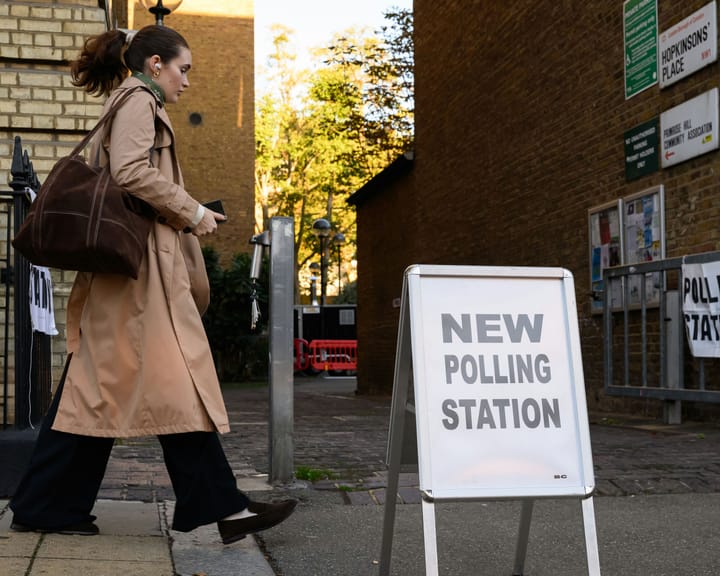
Election Concludes in Holborn and St Pancras By-Election with Labour Aiming to Hold Seat
Polls have concluded in the Holborn and St Pancras byelection, a significant contest gauging Andy Burnham’s capacity to unify Labour's electorate and whether Zack Polanski can attract support from Labour's progressive wing. Labour aims to retain Keir Starmer’s former north London seat, which he
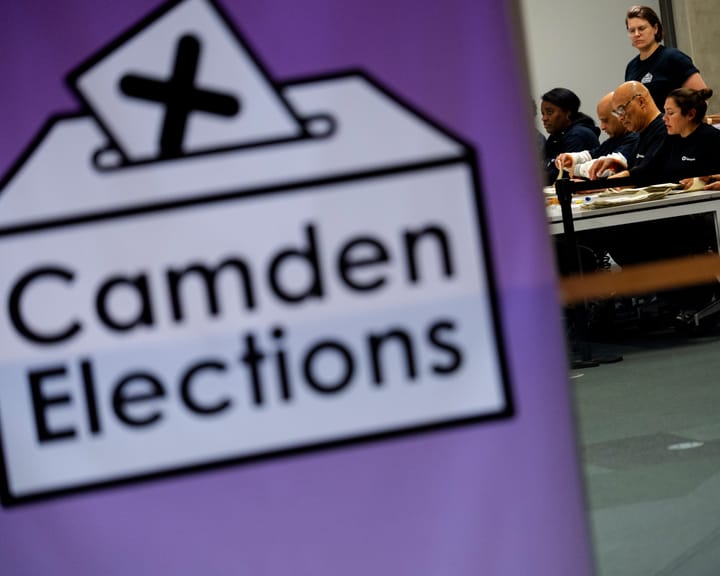
Green Party Concedes in Holborn and St Pancras By-Election as Result Approaches – UK Politics Live
Holborn and St Pancras Byelection Results
The Greens have conceded defeat in the Holborn and St Pancras byelection, with a spokesperson acknowledging they are likely to come in second. More details are forthcoming.
Updated: 03.39 CEST
As the results are imminent, party officials have gathered at Camden Council'
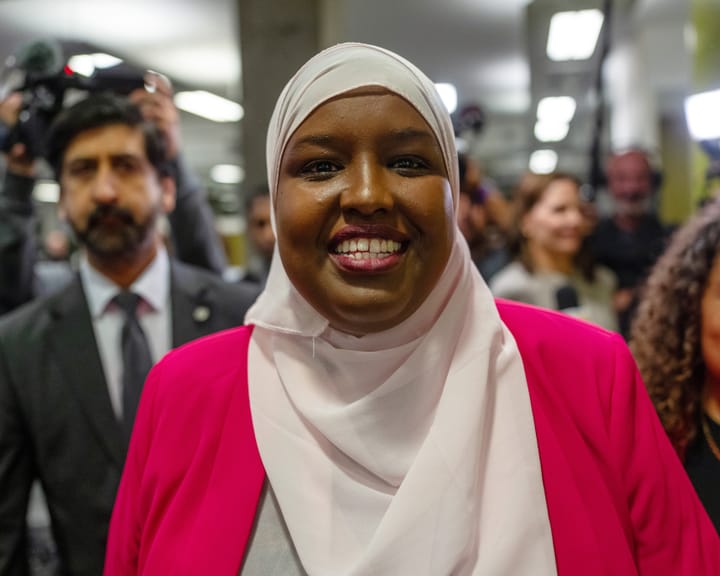
Labour Defeats Green Party in Holborn and St Pancras By-election Victory
Labour secured a victory in the Holborn and St Pancras byelection, marking a significant moment in British left-wing politics. The election was triggered by former Prime Minister Keir Starmer's resignation from the seat in September. The contest was primarily between Labour's Sagal Abdi-Wali and