
Three Former Khmer Rouge Execution and Torture Sites Added to UNESCO Heritage List
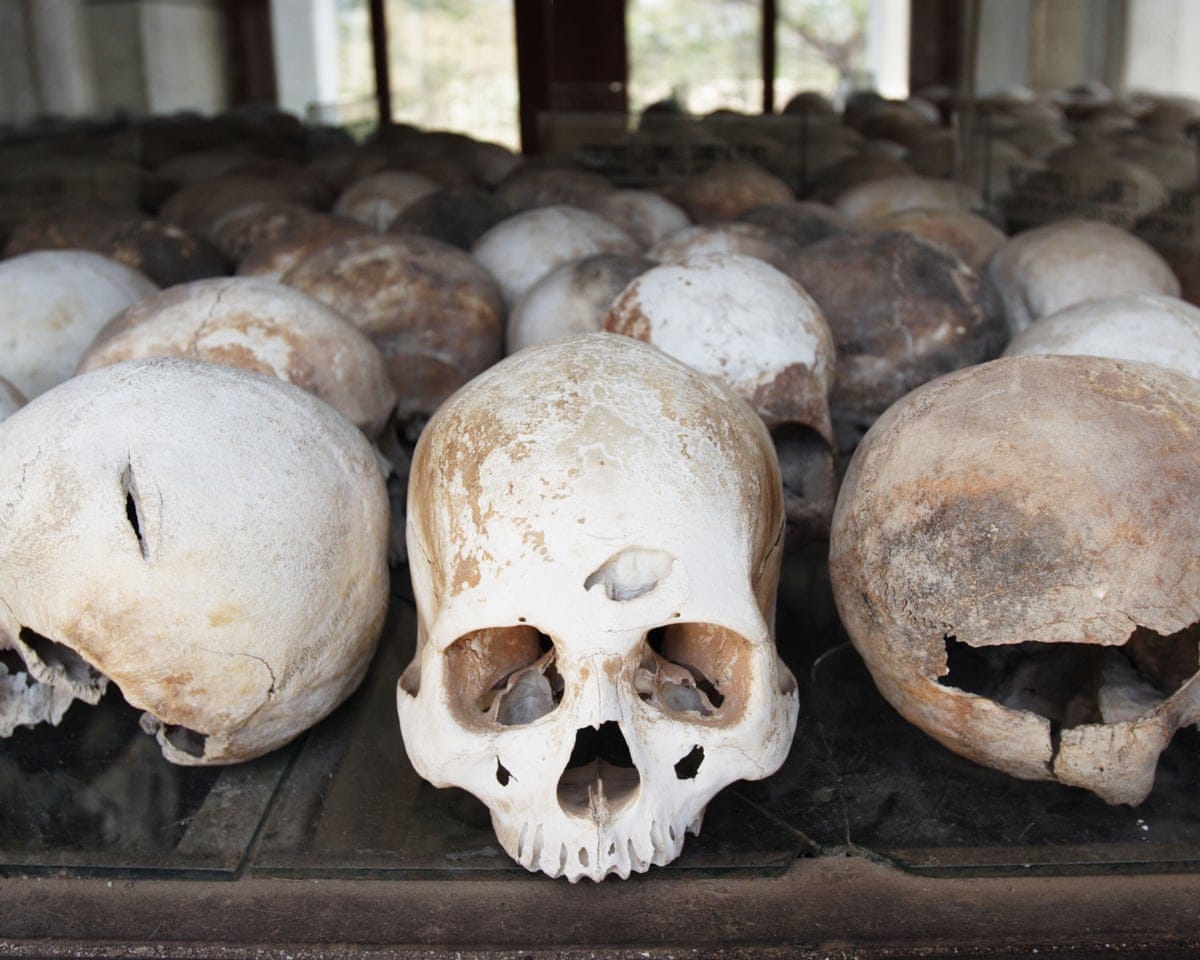
Three locations tied to Cambodia’s brutal Khmer Rouge regime have been recognized by UNESCO as World Heritage Sites. The sites, linked to torture and executions half a century ago, were added during the 47th session of the World Heritage Committee in Paris.
The designation coincides with the 50th anniversary of the Khmer Rouge's rise to power. The regime, which ruled from 1975 to 1979, was responsible for the deaths of an estimated 1.7 million Cambodians through starvation, torture, and mass killings.
UNESCO’s World Heritage List includes sites considered historically significant, such as the Great Wall of China, the Pyramids of Giza, the Taj Mahal, and Cambodia’s Angkor temples. The newly listed locations include two former prisons and an execution site depicted in the 1984 film *The Killing Fields*.
One site, the Tuol Sleng Genocide Museum in Phnom Penh, was once a high school that the Khmer Rouge transformed into a prison known as S-21. Around 15,000 people were detained and tortured there.
Another, the M-13 prison in Kampong Chhnang province, was a key detention center in the early years of the regime. The third, Choeung Ek, located south of Phnom Penh, served as an execution site and mass grave. Its horrors were central to *The Killing Fields*, which recounts the experiences of journalist Sydney Schanberg and his Cambodian colleague Dith Pran.
The Khmer Rouge took control of Phnom Penh on April 17, 1975, forcing the city’s residents into rural labor camps under brutal conditions until the regime was overthrown by Vietnamese forces in 1979.
Cambodian Prime Minister Hun Manet urged citizens to commemorate the UNESCO listing with nationwide drumming on Sunday morning. "May this recognition remind us that peace must always be protected," he said in an online statement. "From history’s darkest moments, we can find strength to build a better future."
Youk Chhang, director of the Documentation Centre of Cambodia, noted that the country continues to confront the painful aftermath of genocide. He emphasized that these sites will help educate younger generations in Cambodia and worldwide.
"Though these places symbolize violence, they can also contribute to healing wounds that remain from that era," he said.
Read next
Bolivia Probes Ex-President Evo Morales for Suspected Involvement in 2009 Killings
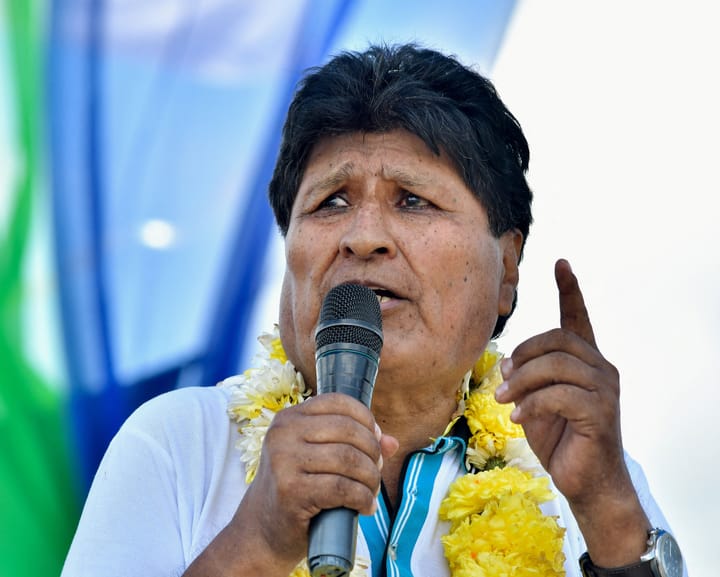
The Bolivian attorney general has initiated an investigation into former leftist president Evo Morales, citing allegations of his involvement in the murder and torture of European nationals in 2009.
In 2009, police conducted a raid on a Santa Cruz hotel, resulting in the deaths of Eduardo Rózsa Flores, a Bolivian-
Argentina Closes Iguazu Falls Temporarily Due to El Niño-Induced Water Surge
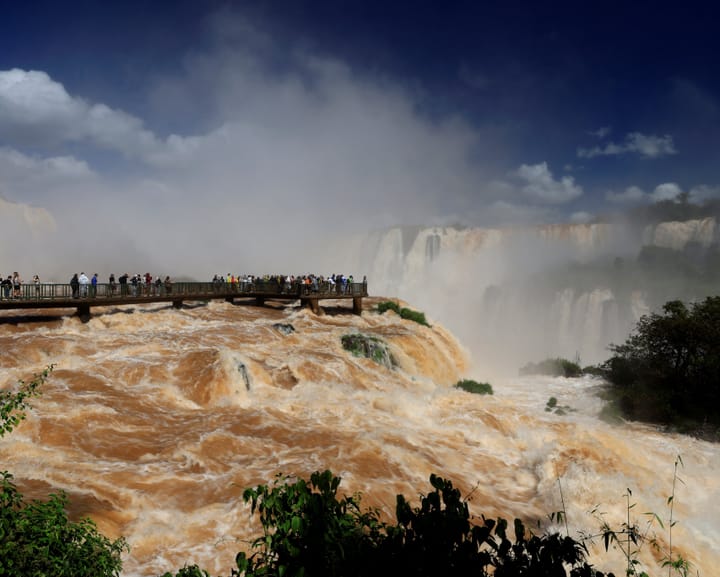
Heavy rainfall driven by a potent El Niño weather pattern temporarily led Argentinian authorities to close tourist access to the renowned Iguazu Falls. The closure occurred due to concerns that rising water levels might cause the river to overflow its banks.
On Monday, national park officials implemented this precautionary measure
Mysterious Drones Strike Two Vessels Near Bulgarian Coast – Europe Live
Morning Update: Two Ships Targeted by Drones Off Bulgarian Coast
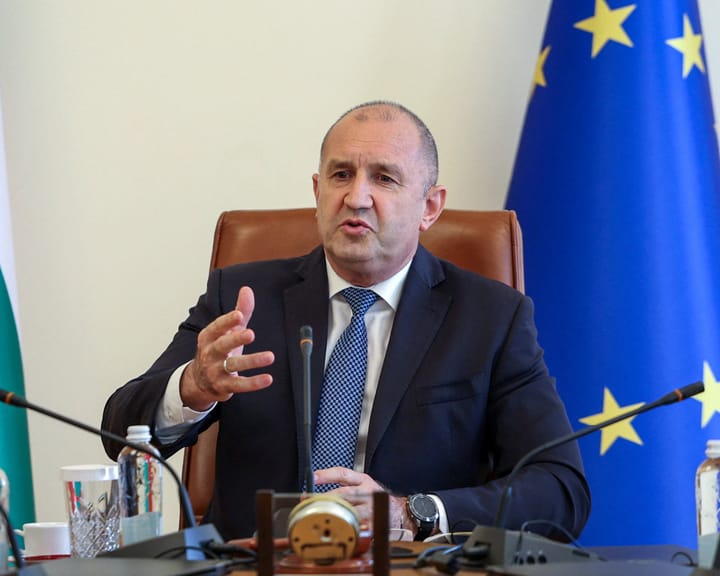
This morning, two ships in the Black Sea near Bulgaria were struck by drones of unknown origin. The attack led to the sinking of one vessel and initiated emergency rescue operations, as reported by Bulgarian Prime Minister Rumen Radev. Rescue