
Near Treasure Hunter, one of four gaming venues on a busy street in Douala, Cameroon’s economic hub, individuals like André Ouandji, who works as a motorcycle taxi driver and currency exchanger, gather to attract customers.
Ouandji has been in the area for three years but has never visited the gaming establishments. Instead, he prefers spending time at a sports betting outlet in his neighborhood of Bonabéri.
Cameroon has the second-largest economy in Central Africa, yet nearly a third of its population survives on $2 or less a day. A 2023 report from the National Statistics Institute found that 80% of workers are employed informally. In this context, gambling has grown in popularity.
“We stopped expecting anything from the government a long time ago,” said Ouandji, who is 27.
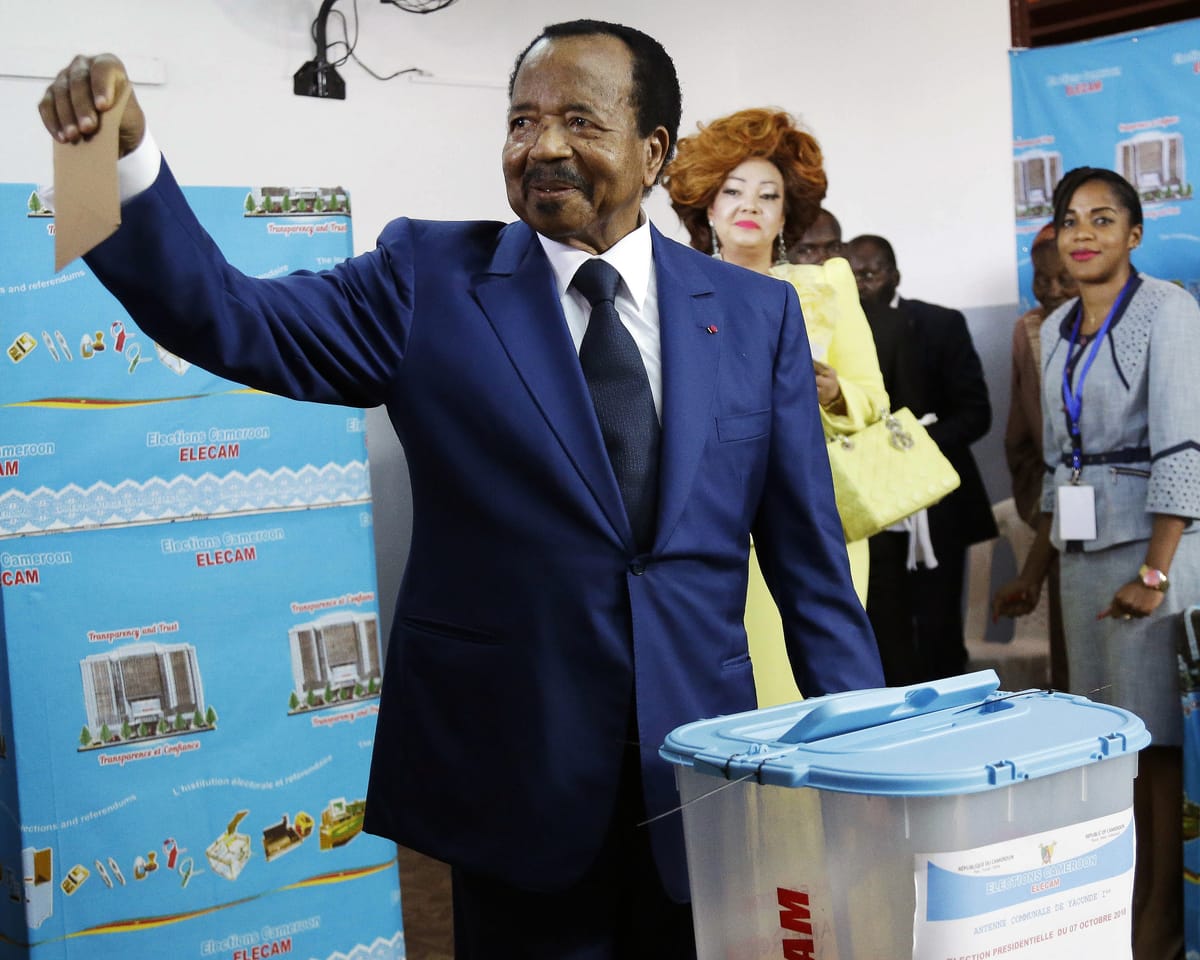
Like many young Cameroonians, he is uncertain about voting in the upcoming presidential election in October. With a median age of 18 and an average life expectancy of 63, the frontrunner remains 92-year-old Paul Biya, who has held power since 1982. On July 13, he confirmed his bid for another seven-year term, ignoring calls from various quarters to step down. “Together, we can overcome any challenge,” he wrote on social media. “The best is yet to come.”
Biya’s long tenure has seen declining voter participation. The abstention rate in the 1992 election—widely believed to have been rigged against late opposition leader John Fru Ndi—was 19.6%. By 2018, it had risen to 46.7%.
Serge (not his real name), an 18-year-old geography student at the University of Douala, said securing his financial future in a country with high unemployment and widespread favoritism matters more than voting. “I wanted to be a lawyer, but connections are necessary to get jobs. Since my father isn’t in a position to help, I chose teaching, which is more accessible,” he explained.
Supporters of the ruling Cameroon People’s Democratic Movement (CPDM) highlight the country’s economic standing compared to its neighbors and argue that stability outweighs uncertainty. Some even consider Biya’s leadership divinely ordained.
“No authority exists unless it is from God,” said Antoine Nkoa, author of a booklet titled *10 Good Reasons Why You Should Vote Paul Biya in 2025*. Nkoa, based in Yaoundé, claimed he had never met the president but had a prophetic vision of his re-election.
For Barthélemy Yaouda Hourgo, a bishop in the Far North region, such a prospect is concerning. “Enough is enough,” he stated in January, urging Biya to step down.
Christopher Nkong, secretary general of the opposition Cameroon Renaissance Movement (MRC), argued in an interview that Biya has “outlived his usefulness.”
Read next
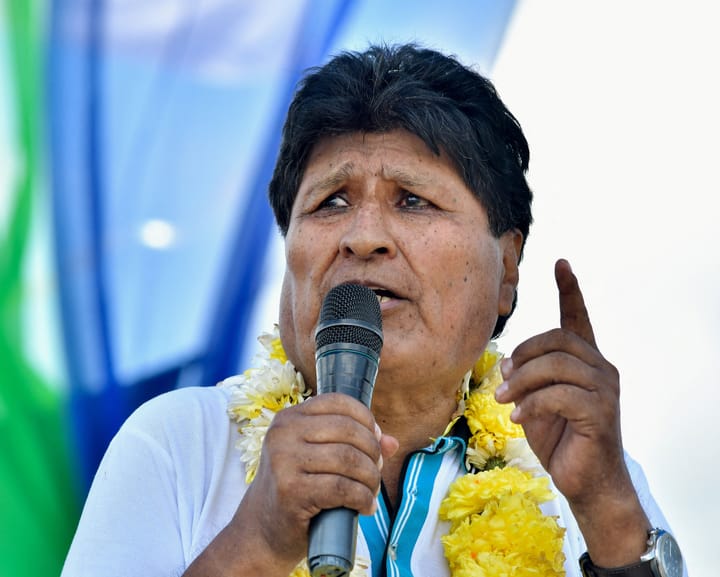
Bolivia Probes Ex-President Evo Morales for Suspected Involvement in 2009 Killings
The Bolivian attorney general has initiated an investigation into former leftist president Evo Morales, citing allegations of his involvement in the murder and torture of European nationals in 2009.
In 2009, police conducted a raid on a Santa Cruz hotel, resulting in the deaths of Eduardo Rózsa Flores, a Bolivian-
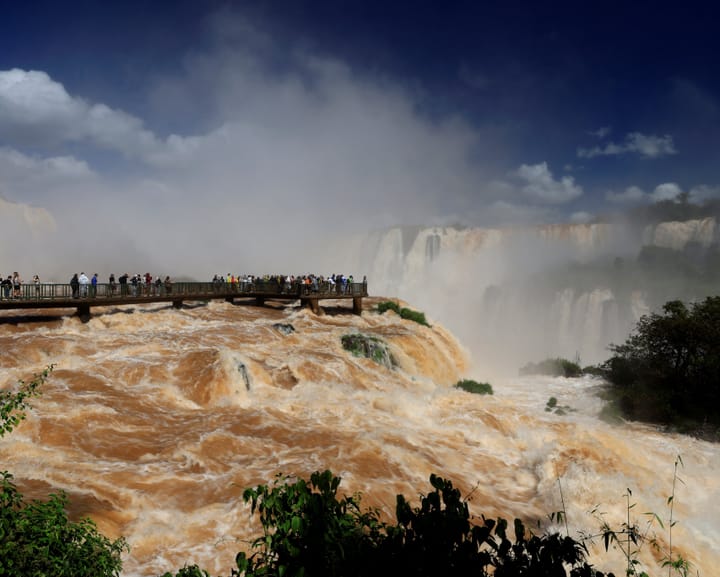
Argentina Closes Iguazu Falls Temporarily Due to El Niño-Induced Water Surge
Heavy rainfall driven by a potent El Niño weather pattern temporarily led Argentinian authorities to close tourist access to the renowned Iguazu Falls. The closure occurred due to concerns that rising water levels might cause the river to overflow its banks.
On Monday, national park officials implemented this precautionary measure
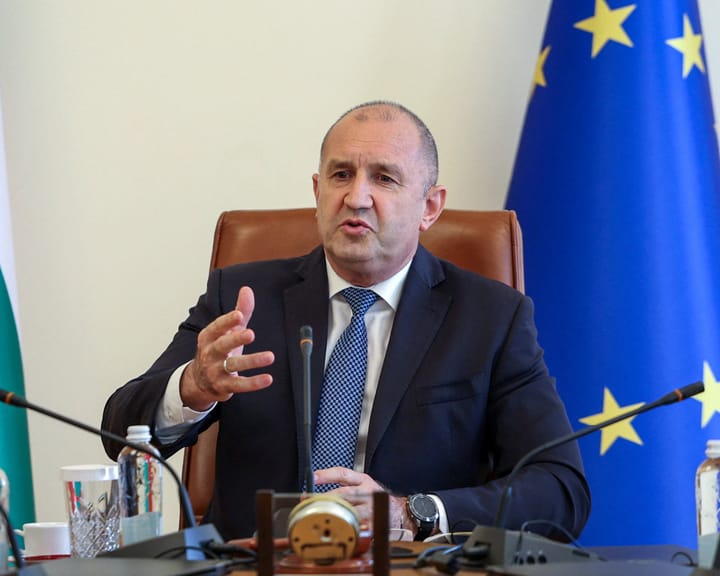
Mysterious Drones Strike Two Vessels Near Bulgarian Coast – Europe Live
Morning Update: Two Ships Targeted by Drones Off Bulgarian Coast
This morning, two ships in the Black Sea near Bulgaria were struck by drones of unknown origin. The attack led to the sinking of one vessel and initiated emergency rescue operations, as reported by Bulgarian Prime Minister Rumen Radev. Rescue