
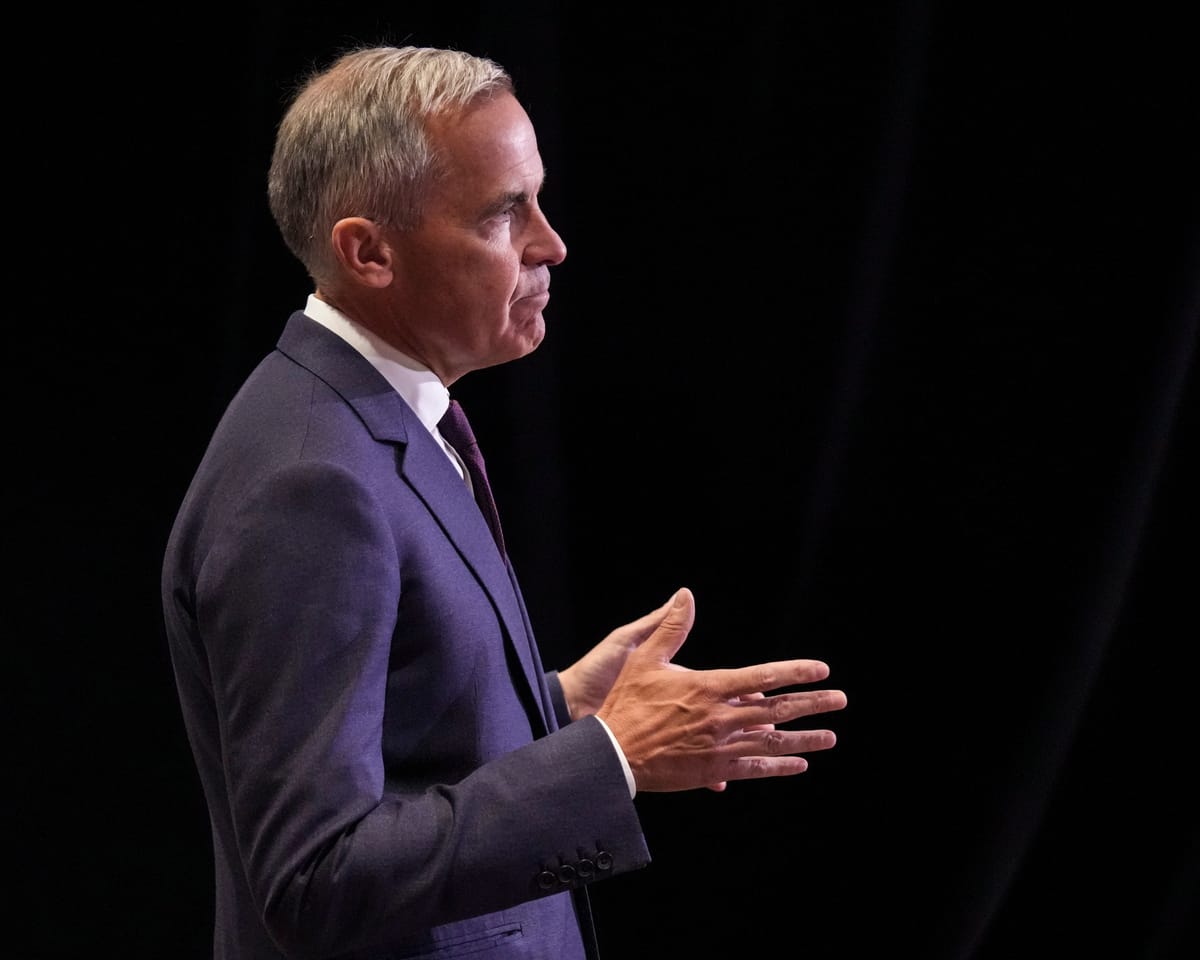
Mark Carney has advised Canadians to brace for fiscal tightening, while his finance minister cautioned about difficult decisions in the months ahead as the government seeks to manage substantial military expenditures, reductions in public programs, and strained trade relations with the U.S.
Carney, the former central banker turned political figure, has been consulting senior officials ahead of the autumn budget and suggested that federal operations will face cuts.
“This budget combines fiscal restraint with strategic investments. It’s achievable if we remain disciplined,” he said, confirming that healthcare, education funding, and direct support to individuals would remain untouched.
Criticizing his predecessor Justin Trudeau, Carney argued that government expenditures had risen too quickly compared to economic growth—an opinion echoed by cabinet members who also served under the previous administration.
“Will there be hard decisions? Absolutely. Is the country prepared? I believe so. Canadians chose us to change the approach,” Finance Minister Philippe-François Champagne said on Thursday, referring to a streamlined federal workforce he and Carney anticipate.
“We’ve made it clear that reducing spending allows for greater investments. People grasp this—even my mother understands.”
At the same time, Carney pledged a major boost in defence funding and accelerated infrastructure projects, both requiring significant government outlays. In June, he confirmed Canada would meet NATO’s 2% defence spending target this year, five years ahead of the original timeline.
“The Liberals have earned their reputation as Canada’s default governing party because they adjust policies to align with public opinion, lacking the ideological rigidity of parties like the Conservatives or the New Democrats,” noted Elizabeth McCallion, a political science professor at the University of Toronto. “Their strength lies in straddling the centre to attract voters and secure parliamentary seats.”
McCallion added that the sudden pivot toward austerity, diverging sharply from Trudeau’s progressive spending, “isn’t unexpected” given the party’s tendency to adapt to shifting voter priorities.
However, these policy adjustments have posed challenges for Carney.
After campaigning in April’s election on a platform of standing up to U.S. pressure, he now faces the reality of deep economic ties between the two countries.
“There’s a contradiction in his image as both a defender of Canadian interests and someone trying to avoid escalating tensions,” she said. “Carney is attempting to strike a balance.”
Read next
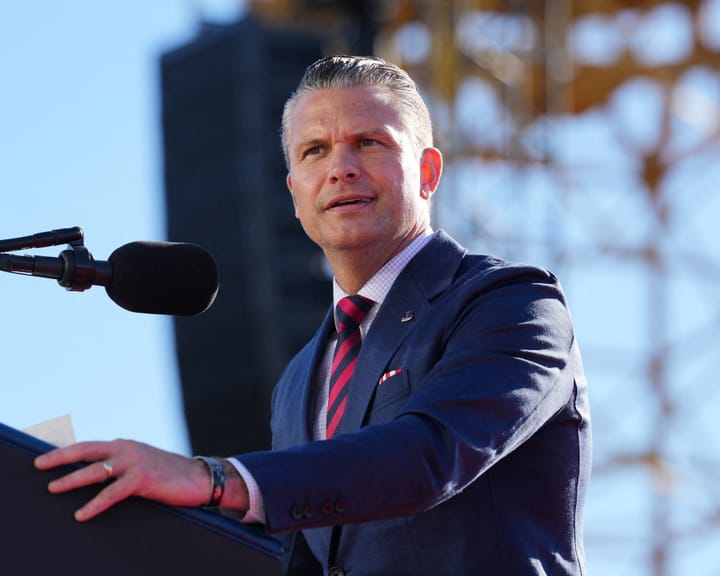
Pete Hegseth's proposal to stream executions aligns US with controversial nations.
If the US defense secretary, Pete Hegseth, proceeds with plans to livestream the execution of a soldier radicalized to extremist Islam, who killed 13 people at a military base in Texas, the US would join a group of lesser powers and rogue actors known for public executions in recent years.
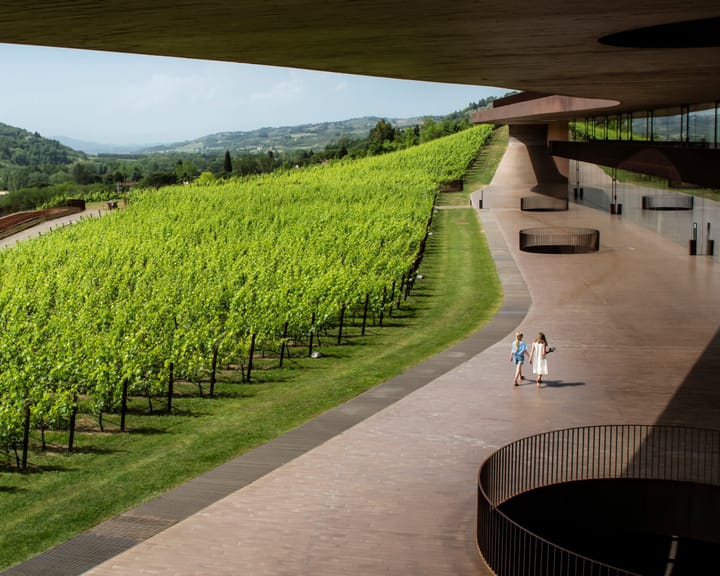
Criminals steal €5m from renowned Italian winery
In a significant theft in Tuscany, thousands of wine bottles valued at €5 million have been stolen from the renowned Marchesi Antinori winery, marking what is considered the largest heist of its kind in Italy. A group of at least seven masked individuals breached the winery's cellar in
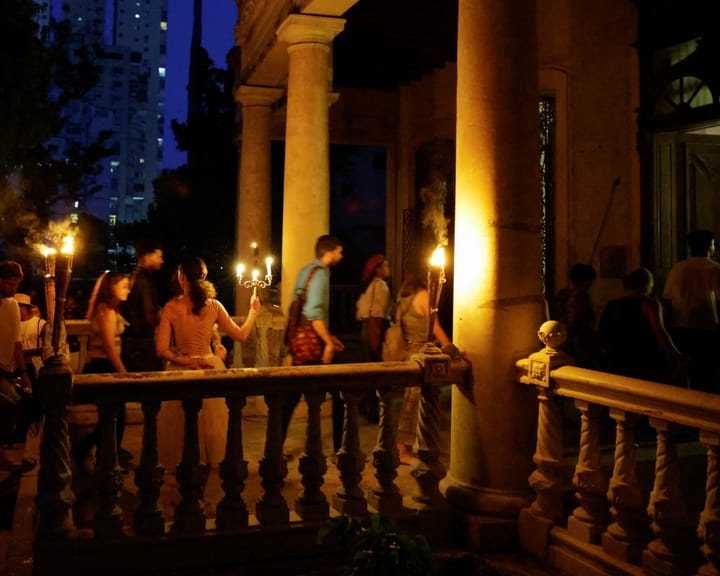
Illuminated Theater in Havana – A Photographic Journey
Widespread blackouts have become more frequent in Cuba since the US imposed energy sanctions in January. These outages often last longer than 24 hours as the aging electrical grid struggles to cope. The Impulso theatre group has been forced to adapt, as the power cuts present significant challenges for the