
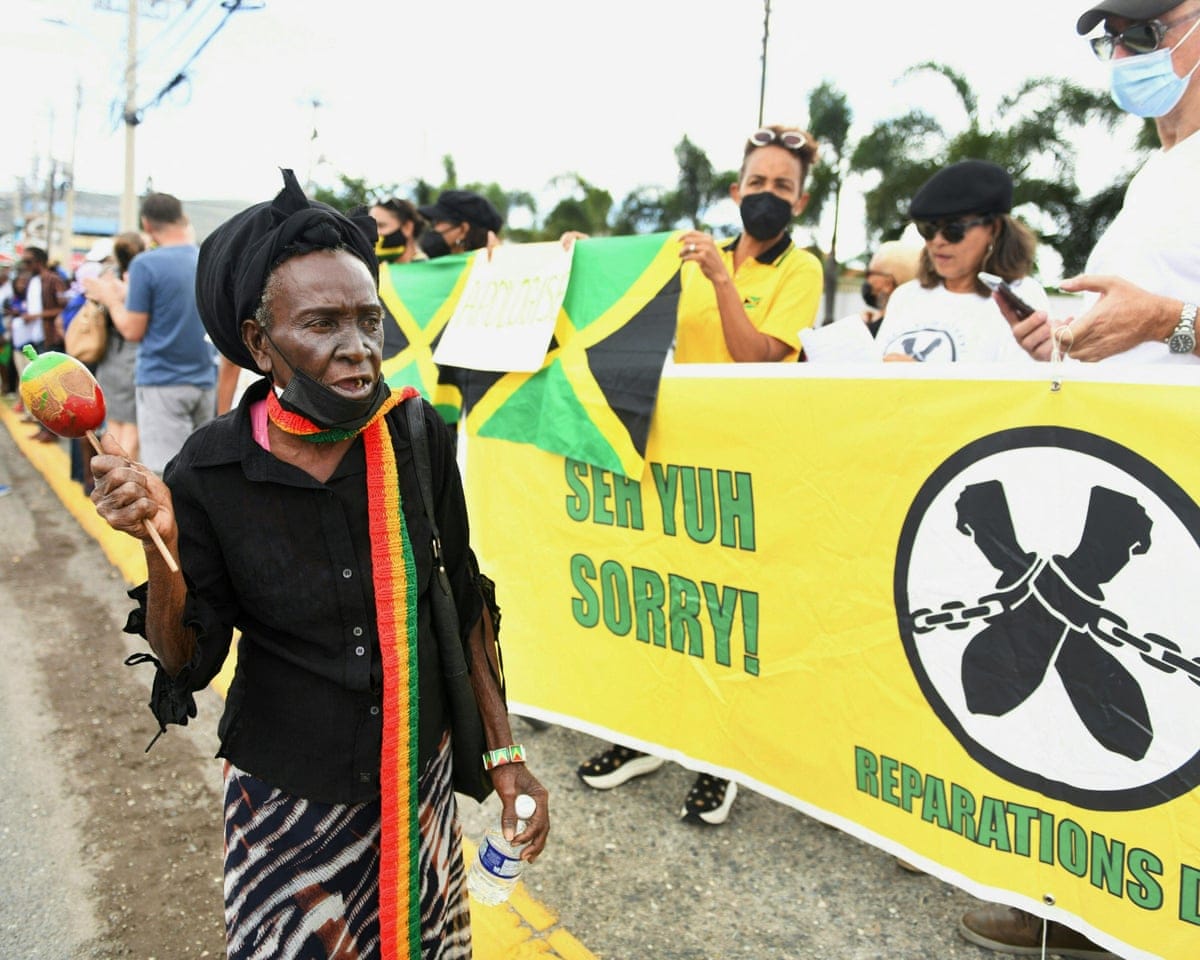
Global Calls for Slavery Reparations Intensify Amid Lobbying Efforts
Efforts to secure reparations for slavery gained momentum this week, with lobbying in Westminster and Brussels following Jamaica’s announcement that it will ask King Charles to seek legal advice on the matter.
On Tuesday, the All-Party Parliamentary Group (APPG) on Afrikan Reparations, a coalition of UK lawmakers advocating for acknowledgment and reparative justice for the historical and ongoing effects of slavery and colonialism, met with an independent delegation of Caribbean researchers and campaigners.
The meeting in Westminster included politicians such as Diane Abbott, Dawn Butler, Paulette Hamilton, Juliet Campbell, Lady Margaret Curran, and Lord Marvin Rees. This occurred shortly after Jamaica revealed its intention to request that King Charles seek guidance from the privy council regarding reparations.
The Westminster talks followed discussions in Brussels, where delegates, supported by Irish MEP Seán Kelly, engaged with European parliament members to rally backing for reparations from former colonial states.
Bell Ribeiro-Addy, Labour MP and APPG chair, stated that the meeting emphasized reparations as a globally significant issue rather than a niche concern. She described Jamaica’s move as pivotal, highlighting the importance of legal avenues to address historical injustices.
She added, “Enslavement was ended through legislation, compensation was paid to slave owners under the law, and now reparations for affected communities must follow the same legal process.”
The discussions were coordinated by the Repair Campaign, a group funded by Irish telecoms entrepreneur Denis O’Brien, which commissioned researchers to propose potential reparations frameworks for Caribbean nations.
According to reports, these proposals, though unofficial, garnered support from representatives of Portugal, Italy, Spain, Denmark, France, and Ireland during a meeting with European parliament members in Brussels.
Operating independently of complex diplomatic negotiations among Commonwealth nations, Repair has expedited the drafting of these plans in three years, aiming to bolster efforts by Caribbean and African leaders.
O’Brien, founder of the Caribbean mobile network Digicel, noted that the campaign consulted governments, advocacy groups, Indigenous communities, and others, aligning proposals from the University of the West Indies with a reparations strategy by Caricom, a coalition of 20 regional nations.
He explained that the initiative involved asking Caribbean governments how they would reshape their countries with sufficient funding.
Read next
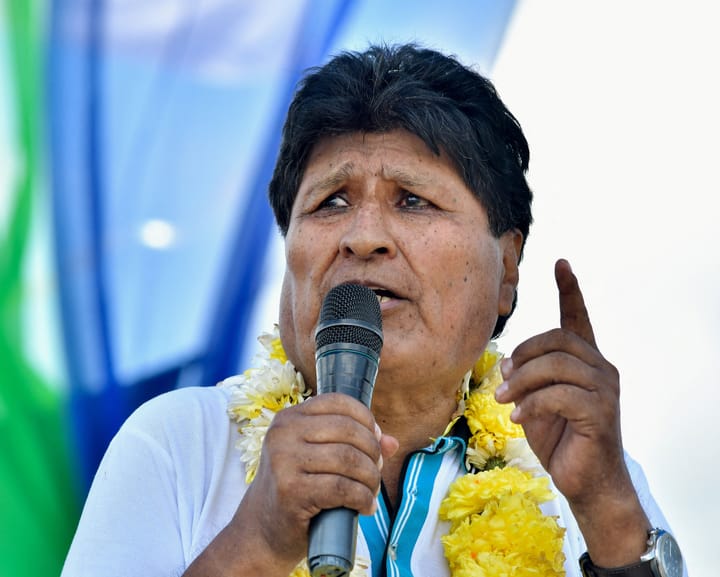
Bolivia Probes Ex-President Evo Morales for Suspected Involvement in 2009 Killings
The Bolivian attorney general has initiated an investigation into former leftist president Evo Morales, citing allegations of his involvement in the murder and torture of European nationals in 2009.
In 2009, police conducted a raid on a Santa Cruz hotel, resulting in the deaths of Eduardo Rózsa Flores, a Bolivian-

Argentina Closes Iguazu Falls Temporarily Due to El Niño-Induced Water Surge
Heavy rainfall driven by a potent El Niño weather pattern temporarily led Argentinian authorities to close tourist access to the renowned Iguazu Falls. The closure occurred due to concerns that rising water levels might cause the river to overflow its banks.
On Monday, national park officials implemented this precautionary measure
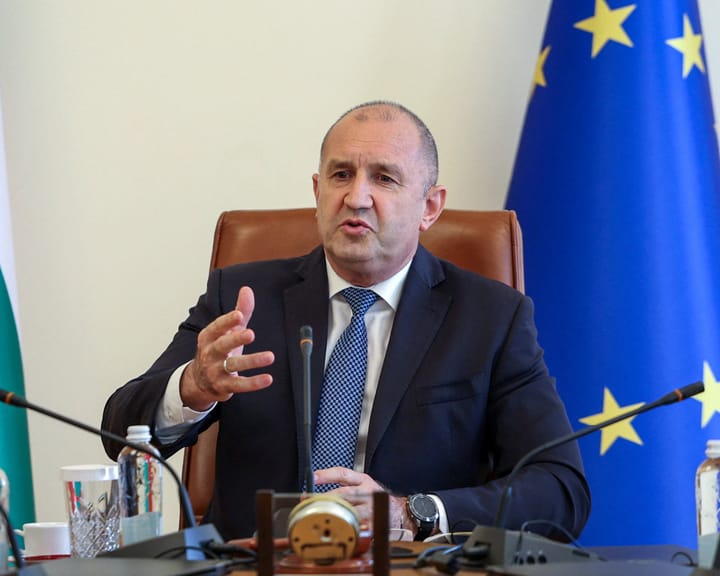
Mysterious Drones Strike Two Vessels Near Bulgarian Coast – Europe Live
Morning Update: Two Ships Targeted by Drones Off Bulgarian Coast
This morning, two ships in the Black Sea near Bulgaria were struck by drones of unknown origin. The attack led to the sinking of one vessel and initiated emergency rescue operations, as reported by Bulgarian Prime Minister Rumen Radev. Rescue