
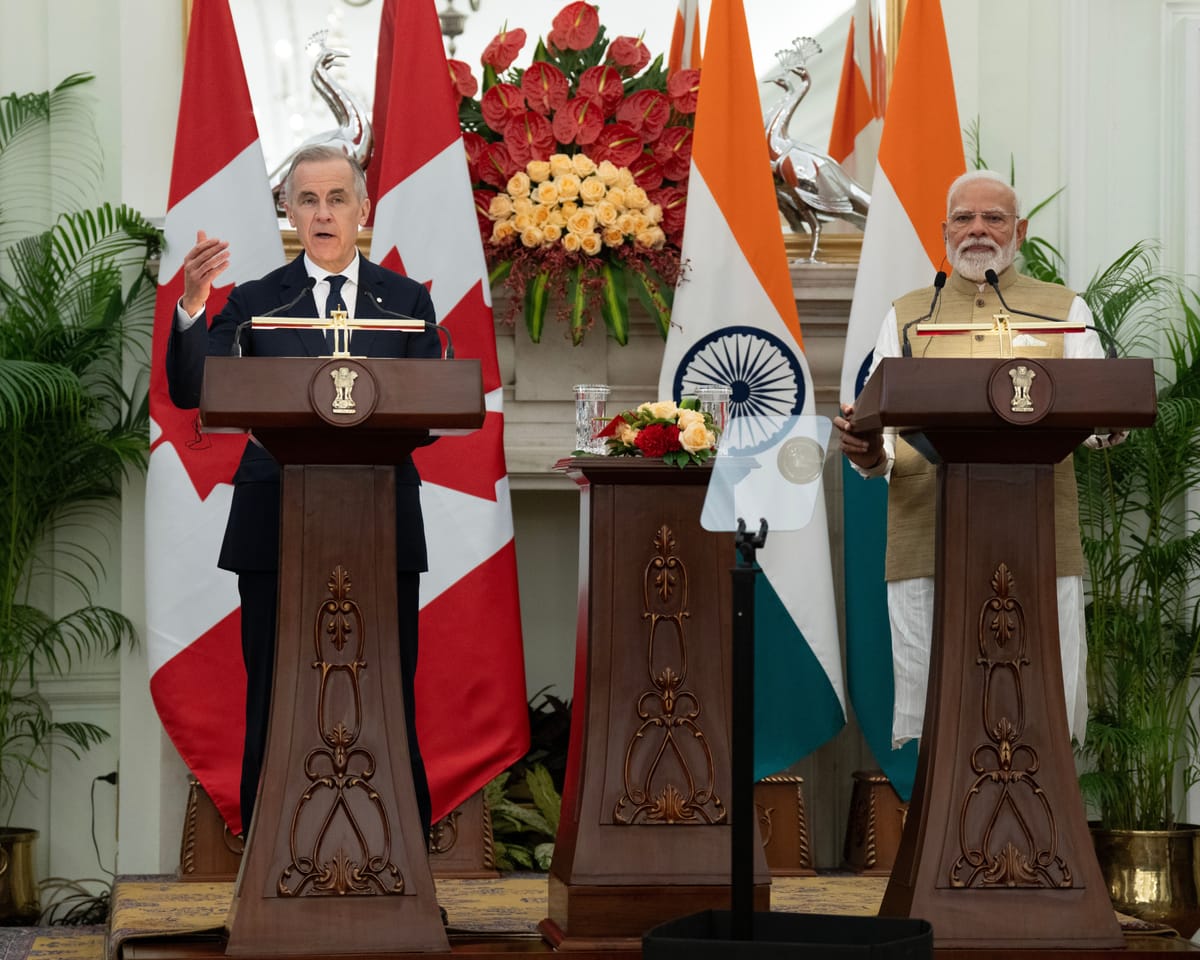
Mark Carney faces growing scrutiny over whether he thinks Indian meddling in Canada still poses a danger after his meeting with Narendra Modi, India’s prime minister, whose administration is alleged to have arranged the killing of a Canadian citizen.
“We are one family,” the Canadian prime minister said from New Delhi on Monday, concluding a four‑day trade‑oriented visit intended to reset ties with the world’s most populous country.
Carney says he aims to secure a free‑trade pact with the world’s fifth‑largest economy by year‑end.
The two governments also signed several memoranda and a landmark C$2.6 billion uranium agreement.
Canada hopes bilateral trade with India could climb to C$70 billion by 2030.
Modi commended Carney for efforts to revive the stalled relationship and the pair announced plans to reconvene in Canada after Modi accepted Carney’s invitation.
During the trip, Carney reiterated his government’s commitment to “principled pragmatism,” noting that “not every partner will share all our values.”
A briefing after the Modi meeting said Carney “underscored that Canada will keep taking steps to combat transnational repression.” No further details were provided.
Carney’s office called off a scheduled press conference on Monday, citing the length of talks with Modi’s team and a tight travel itinerary to Australia.
The prime minister has not yet responded to reporters after a senior official last week said the government was “confident” that India’s campaign of threats and violence had ended, adding that if it had not, Carney and a high‑level delegation “wouldn’t be taking this trip.”
Canada’s foreign‑affairs minister, Anita Anand, told reporters in New Delhi that “the words of the senior official are not words that I personally would use.”
India’s envoy to Ottawa, Dinesh Patnaik, maintains that India has never carried out foreign interference in Canada.
Questions about India’s role in the 2023 killing of Sikh activist Hardeep Singh Nijjar resurfaced after reports that a staffer at the Vancouver consulate supplied information on Nijjar.
Police suspect the consular employee was also an officer of India’s external intelligence service. In June, Canada’s intelligence agency said Nijjar’s murder signaled a “significant escalation in India’s repression efforts,” reflecting a broader, transnational campaign by Delhi to threaten dissidents.
In November, the head of Canada’s spy service identified China and India as the primary sources of foreign meddling and transnational repression in Canada, and as recently as last week, police warned a prominent Sikh activist of a credible threat to his family—a threat he believes originated from India.
Read next
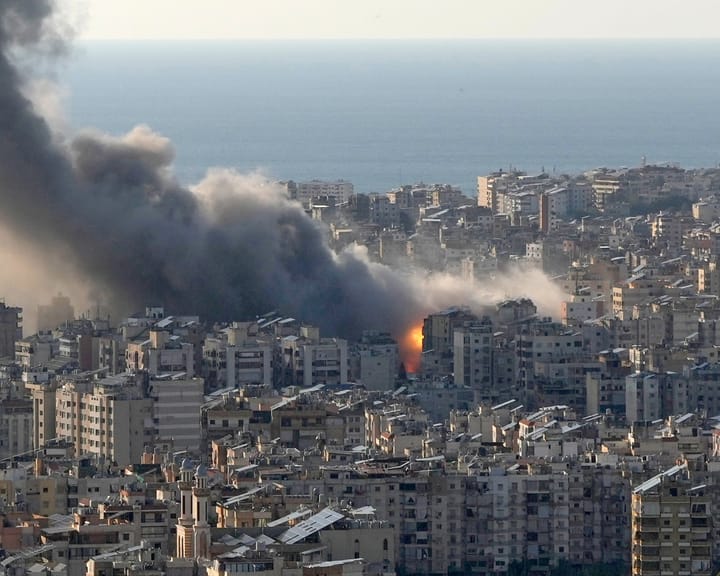
US and Israel's campaign against Iran spreads dramatically throughout the Middle East
The conflict in the Middle East, sparked by a combined US‑Israeli strike on Iran, widened sharply on Monday, with casualties and damage reported in at least nine nations within ten hours.
Israeli and American aircraft carried out a new series of bombings over Iran, where the Iranian Red Crescent
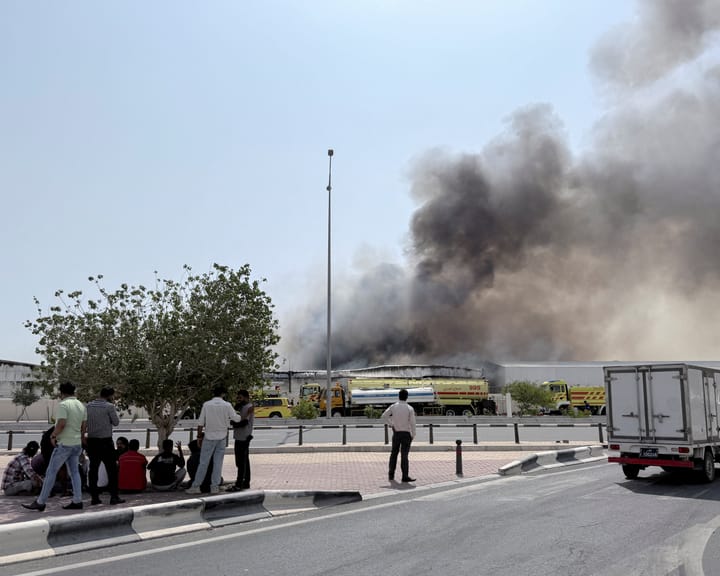
Gulf Nations Near Action Against Iran Over “Reckless” Regional Strikes
Gulf states, emboldened by Donald Trump, are close to abandoning their neutrality in the conflict with Iran as retaliation for Tehran’s repeated “reckless and indiscriminate attacks” on their land and infrastructure.
The appeal, spearheaded by the United Arab Emirates within the six‑nation Gulf Cooperation Council, urges the Arab
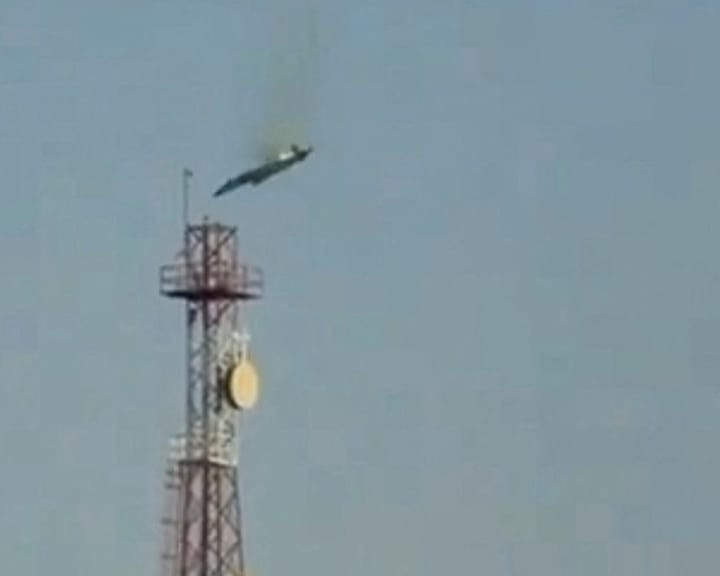
Three US fighter jets accidentally downed over Kuwait
Three U.S. fighter jets were unintentionally brought down over Kuwait early Monday in what officials described as a “friendly fire” episode. All six crew members ejected and survived.
U.S. Central Command (Centcom) said Kuwait’s air‑defence system opened fire on the F‑15 aircraft during a combat