
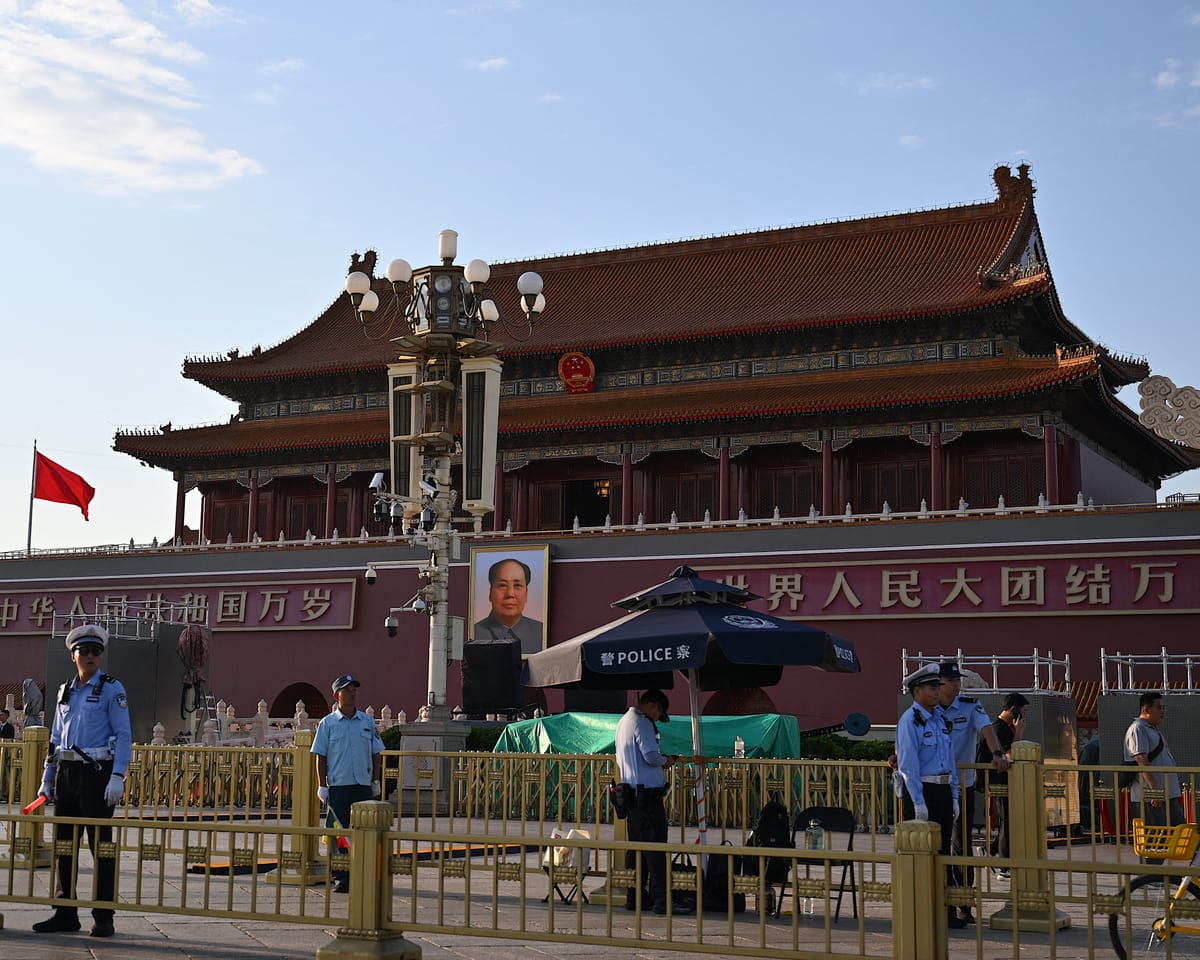
Leaders from nations opposing Western influence will assemble in Beijing this week to express solidarity with China’s president, Xi Jinping, at a military procession marking the 80th anniversary of Japan’s defeat in World War II—an event intended to showcase China’s strategic and military capabilities.
Cooperation among Russia, China, Iran, and North Korea, termed by some analysts as a coalition of dissent, has been visible in conflicts such as Ukraine and the Middle East this year.
On Wednesday, Beijing will take the spotlight as the world’s second-largest economy positions itself as a counterpart to Western-dominated global structures.
The carefully organized march through Tiananmen Square—commemorating what China calls the War of Resistance Against Japanese Aggression—will feature 26 heads of state. Alongside Russia, North Korea, and Iran, representatives from Myanmar, Mongolia, Indonesia, Zimbabwe, and Central Asian nations will observe displays of new military hardware. Serbia and Slovakia are the only Western leaders listed in China’s official invitation.
“Xi Jinping aims to present his vision for the international system,” said Yu Jie of Chatham House. According to Yu, Xi believes the world should shift toward a multipolar model shaped by China and non-Western states.
Russia’s president, Vladimir Putin, is already in China after attending the Shanghai Cooperation Organisation summit in Tianjin. India’s Narendra Modi also participated in the Eurasian leadership meeting, signaling a slight easing of China-India tensions amid U.S. tariffs imposed on India for buying Russian oil.
The parade arrives two months after a muted U.S. military event in June, offering a contrast between American and Chinese military readiness—one Beijing likely welcomes.
“The timing follows a poorly received U.S. display,” noted Siemon Wezeman of the Stockholm International Peace Research Institute. He suggested China would underscore its superiority, conveying to the U.S. that their demonstrations surpass others.
China has recently emphasized its version of World War II history, downplaying Western contributions. During a May visit to Moscow for Russia’s Victory Day, Xi advocated for a “proper historical understanding,” stating that China and the Soviet Union were the primary forces against Japanese and German militarism.
Read next
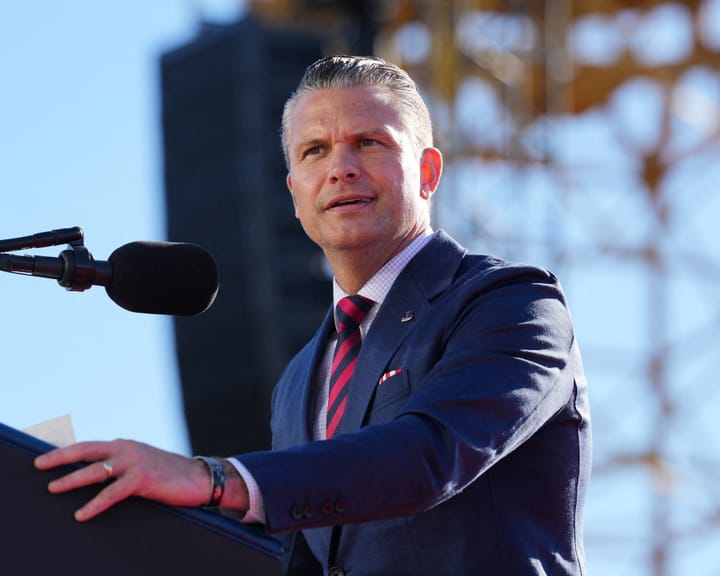
Pete Hegseth's proposal to stream executions aligns US with controversial nations.
If the US defense secretary, Pete Hegseth, proceeds with plans to livestream the execution of a soldier radicalized to extremist Islam, who killed 13 people at a military base in Texas, the US would join a group of lesser powers and rogue actors known for public executions in recent years.
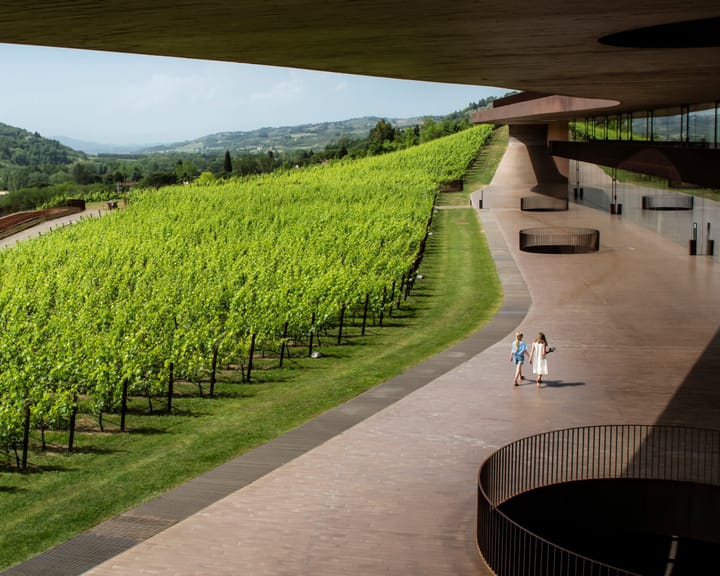
Criminals steal €5m from renowned Italian winery
In a significant theft in Tuscany, thousands of wine bottles valued at €5 million have been stolen from the renowned Marchesi Antinori winery, marking what is considered the largest heist of its kind in Italy. A group of at least seven masked individuals breached the winery's cellar in
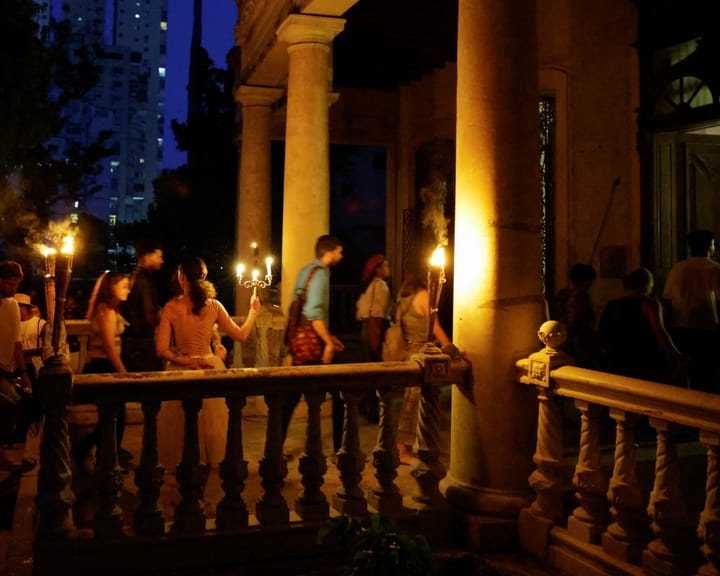
Illuminated Theater in Havana – A Photographic Journey
Widespread blackouts have become more frequent in Cuba since the US imposed energy sanctions in January. These outages often last longer than 24 hours as the aging electrical grid struggles to cope. The Impulso theatre group has been forced to adapt, as the power cuts present significant challenges for the