
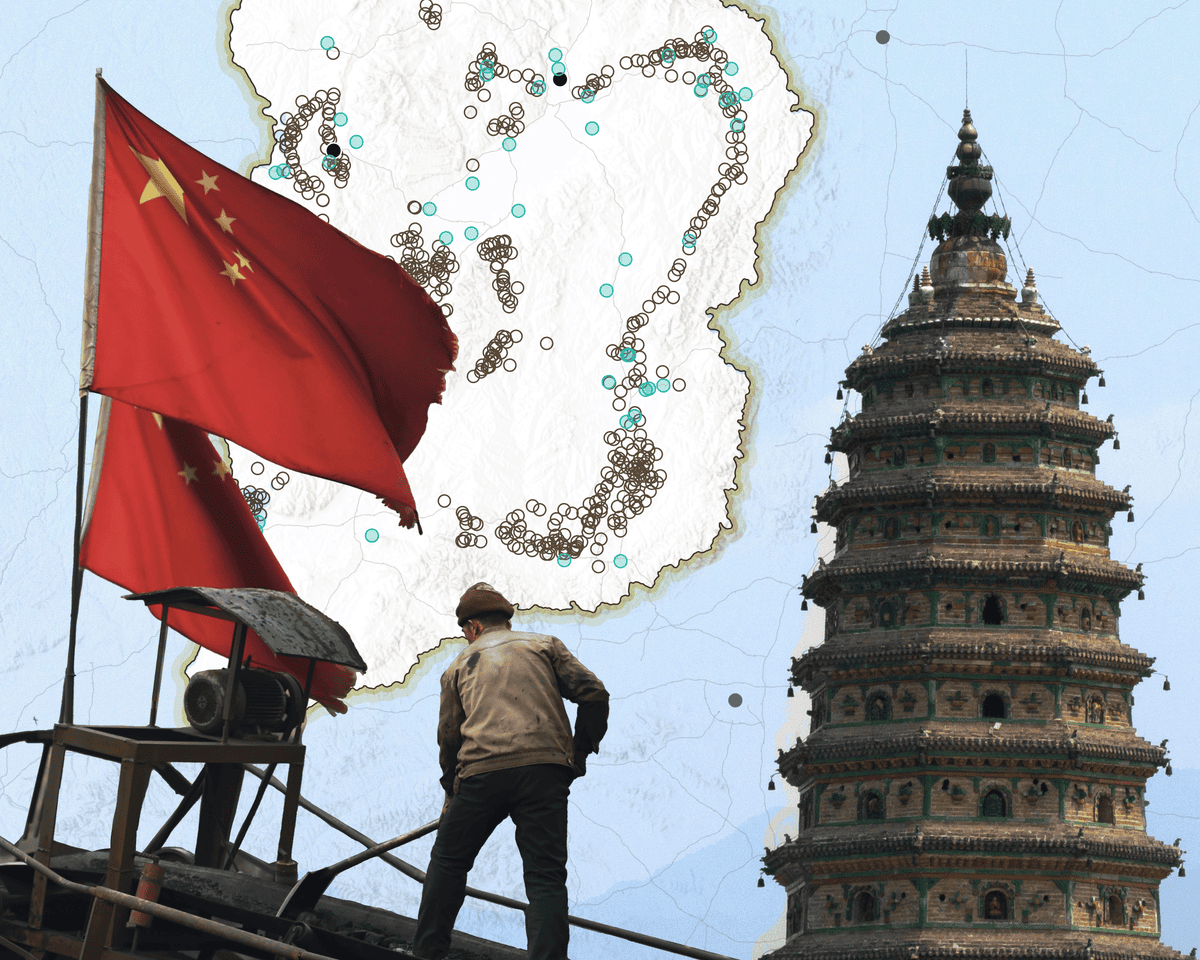
Deep in the Depths of Change
Beneath the earth in a dimly lit cavern, covered in grime, Xu Xiaobo questioned why—after recently earning a degree in mechanical engineering—he was crouched on the ground sorting through layers of coal waste. Yet there was little time to dwell on the circumstances that had led him into one of his province’s oldest mines. There was work to be done.
As a newcomer, keeping pace with seasoned miners proved difficult. While scrambling beneath a moving conveyor belt of coal, he lost his footing, badly spraining his wrist. Even now, his movement remains limited.
Xu longed to leave the mine. He applied for countless jobs, but like millions of other graduates who entered the workforce during global disruptions, opportunities were scarce. One distant company extended an offer, but he hesitated, unwilling to be so far from family.
"After graduation, I had high hopes—maybe too high," admitted the 26-year-old, seated outside the mine in Datong, Shanxi, where he still works. Eventually, he secured an administrative role. "I never wanted to mine coal," he said, gesturing to his clean white sneakers—proof he no longer worked below ground.
Now, as China shifts focus from coal-reliant industries toward modernization, Xu has glimpsed a new possibility in Shanxi. He works part-time as a guide, sharing his home region with visitors. "I love this place, and I want others to see it differently—not just as polluted and covered in coal dust," he said.
Xu’s path mirrors the transformation Shanxi—China’s leading coal-producing region—hopes to achieve on a broader scale. Yet the obstacles are steep. With sluggish economic growth and an economy still tied to a heavily polluting sector, Shanxi’s role in a greener China remains unclear.
The country has committed to peaking carbon emissions by 2030 and achieving carbon neutrality by 2060. Some analysts predict emissions may peak sooner, citing rapid renewable energy expansion. Meanwhile, China’s policymakers are drafting the next five-year plan, setting priorities for 2026–2030, with attention on balancing environmental goals with economic stability.
Earlier this year, China’s leader emphasized, "Regardless of global shifts, climate action will not slow down," while also stressing the need for an equitable transition. This balance is especially critical for Shanxi’s 35 million residents.
Read next

Bolivia Probes Ex-President Evo Morales for Suspected Involvement in 2009 Killings
The Bolivian attorney general has initiated an investigation into former leftist president Evo Morales, citing allegations of his involvement in the murder and torture of European nationals in 2009.
In 2009, police conducted a raid on a Santa Cruz hotel, resulting in the deaths of Eduardo Rózsa Flores, a Bolivian-
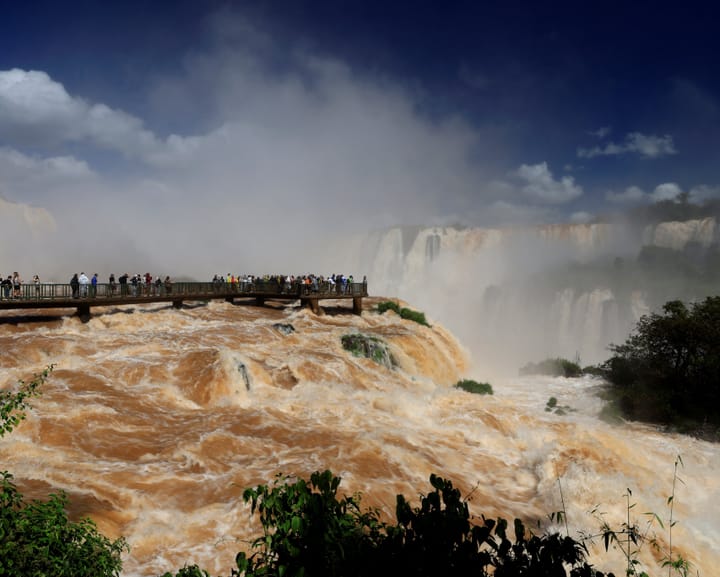
Argentina Closes Iguazu Falls Temporarily Due to El Niño-Induced Water Surge
Heavy rainfall driven by a potent El Niño weather pattern temporarily led Argentinian authorities to close tourist access to the renowned Iguazu Falls. The closure occurred due to concerns that rising water levels might cause the river to overflow its banks.
On Monday, national park officials implemented this precautionary measure

Mysterious Drones Strike Two Vessels Near Bulgarian Coast – Europe Live
Morning Update: Two Ships Targeted by Drones Off Bulgarian Coast
This morning, two ships in the Black Sea near Bulgaria were struck by drones of unknown origin. The attack led to the sinking of one vessel and initiated emergency rescue operations, as reported by Bulgarian Prime Minister Rumen Radev. Rescue