
Today’s Highlights
- London residents purchasing fewer properties outside the capital, lowest share since 2013
- Shrinking product sizes affect popular confectionery brands
- UK regulator faces criticism over alleged rule violations in its promotional activities
- New trade secretary Peter Kyle to visit China for discussions this week
- Jaguar Land Rover operations may face delays until October following cyber incident
- Travel disruptions expected on London’s underground as strike action grows
- Roman Abramovich investigated in Jersey over alleged financial misconduct
- Former minister praises Trump’s approach in push for stronger tech ties between UK and US
Key Developments
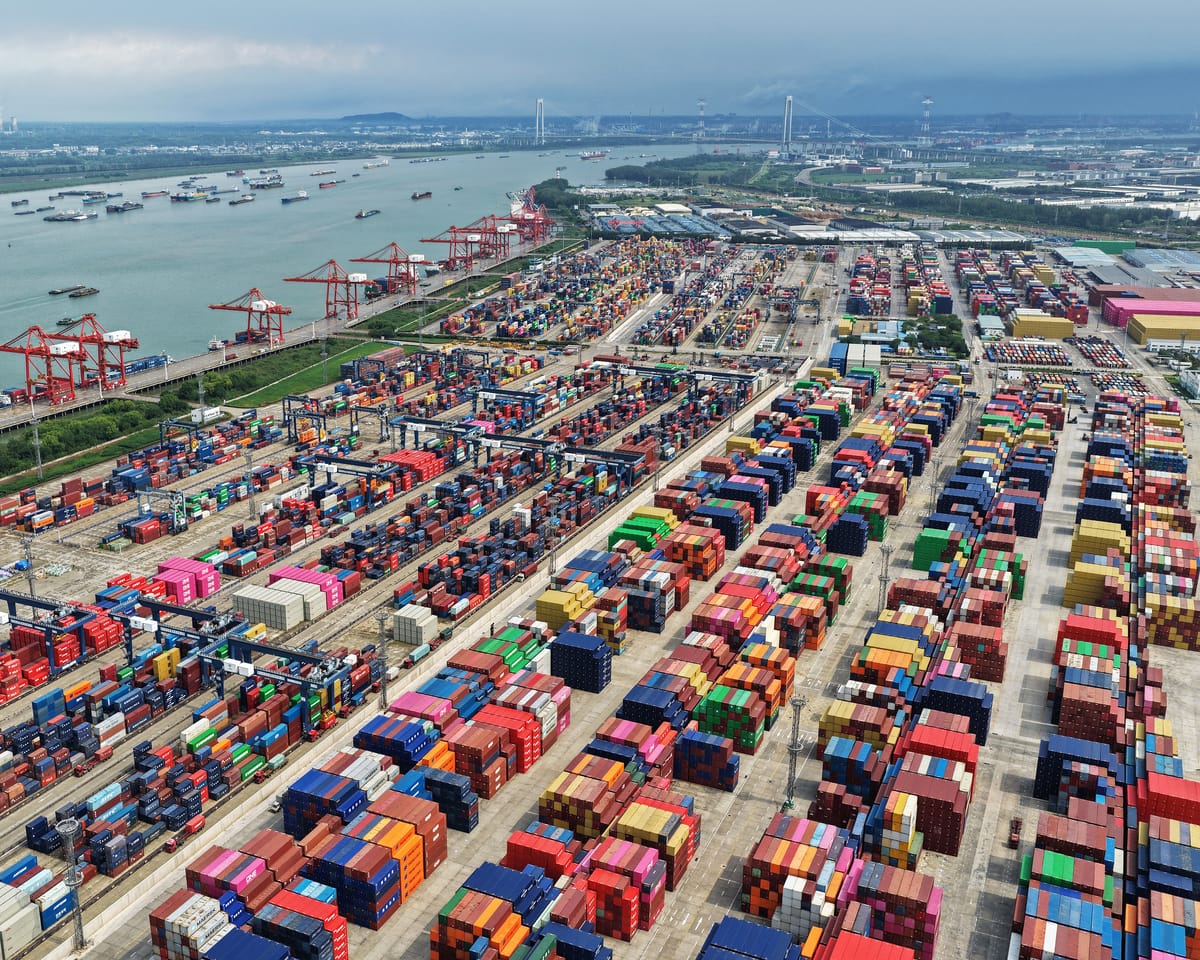
China’s export expansion slowed sharply in August, reaching the weakest pace in half a year, as shipments to the U.S. declined amid ongoing trade disputes. Official data showed exports rose by 4.4% compared to the previous year, falling short of forecasts and below July’s 7.2% growth. Imports also weakened, increasing by 1.3%, down from 4.1% a month earlier.
Trade with the U.S. dropped significantly, with exports decreasing by 33%, while sales to Southeast Asian markets grew by 22.5%. Officials have been urging manufacturers to diversify trade partners due to uncertainty over U.S. policies. President Trump recently postponed imposing new tariffs on Chinese goods, extending the previous agreement by 90 days just before its expiration.
Earlier threats included potential tariffs up to 245% from the U.S., with China warning of retaliatory duties as high as 125%. Current levies on Chinese goods stand at 10% with an additional 20% in response to trade disputes, with some products facing even higher charges.
China’s trade surplus expanded slightly to $102.3 billion in August from $98.2 billion in July, though it remained lower than June’s $114.8 billion. Analysts are watching for potential economic stimulus measures to boost domestic demand in the coming months.
Elsewhere, German export figures unexpectedly declined in July, dropping 0.6% from June’s level, contrary to expectations of slight growth. Imports were also lower, falling by 0.1%. The trade surplus narrowed to €14.7 billion from €15.4 billion in June. However, industrial output in Germany rebounded, rising 1.3%.
Oil prices increased as OPEC+, which includes Russia, decided to reduce planned production increases starting in October amid concerns over demand. Geopolitical risks also rose after Russia’s military actions in Ukraine. Brent crude climbed 1.5% to $66.45 per barrel. The producer group’s planned supply adjustment was set at 137,000 barrels per day, significantly smaller than earlier projections.
Read next
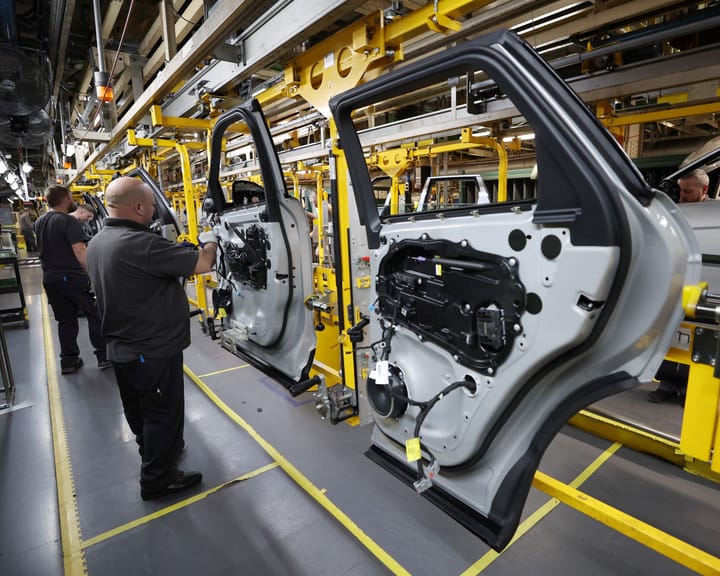
Jaguar Land Rover suppliers voice ‘everything is against us’ amid cutbacks
David Roberts, chair of Coventry-based Evtec, says the outlook for Britain’s automotive sector is grim, with “everything against us.” Evtec is a tier 1 supplier to Jaguar Land Rover, which this week announced 4,000 job cuts over two years despite chancellor John Healey’s attempt to talk
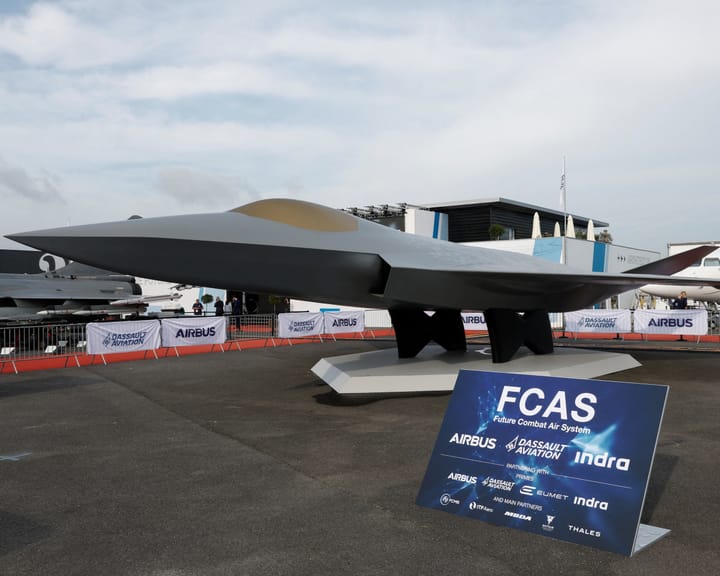
Europe’s fighter jet plans in disarray: what comes next?
When former ECB president and Italian PM Mario Draghi urged Europe to catch up economically with the US and China, defence collaboration was prescribed. No more should each nation build independent boats, tanks or jets; allies should share costs and technologies.
Europe stumbled at the first hurdle. German Chancellor Friedrich
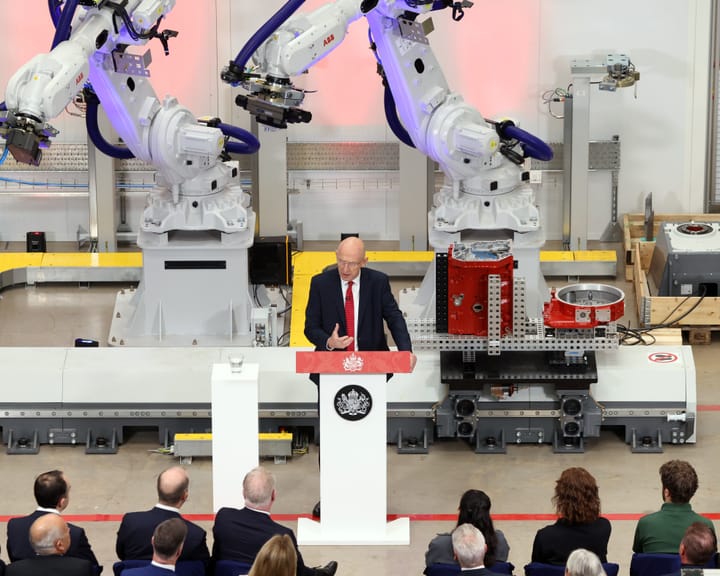
John Healey supports growth but insists Labour must be truthful about spending
John Healey has stated that his primary goal as chancellor will be to boost economic growth, while acknowledging that Labour must be straightforward about controlling public spending at next month's budget.
In his first major address since assuming the role in July, Healey said the leading focus of