
Quebec has announced plans to prohibit prayer in public spaces, a decision that civil rights advocates call an "alarming step" affecting religious minorities and restricting "fundamental democratic rights."
Jean-François Roberge, the province’s minister for secular affairs, stated the action was driven by the "increase in street prayers," which he called a "significant and delicate matter," adding that the government has observed the trend with "concern." Legislation is expected to be introduced in the autumn.
The move follows remarks by Quebec’s premier, François Legault, who has voiced growing dissatisfaction with public prayers in Montreal.
"We don’t want to see people praying on streets or in parks. If you wish to pray, go to a church or mosque, not a public space," he said previously.
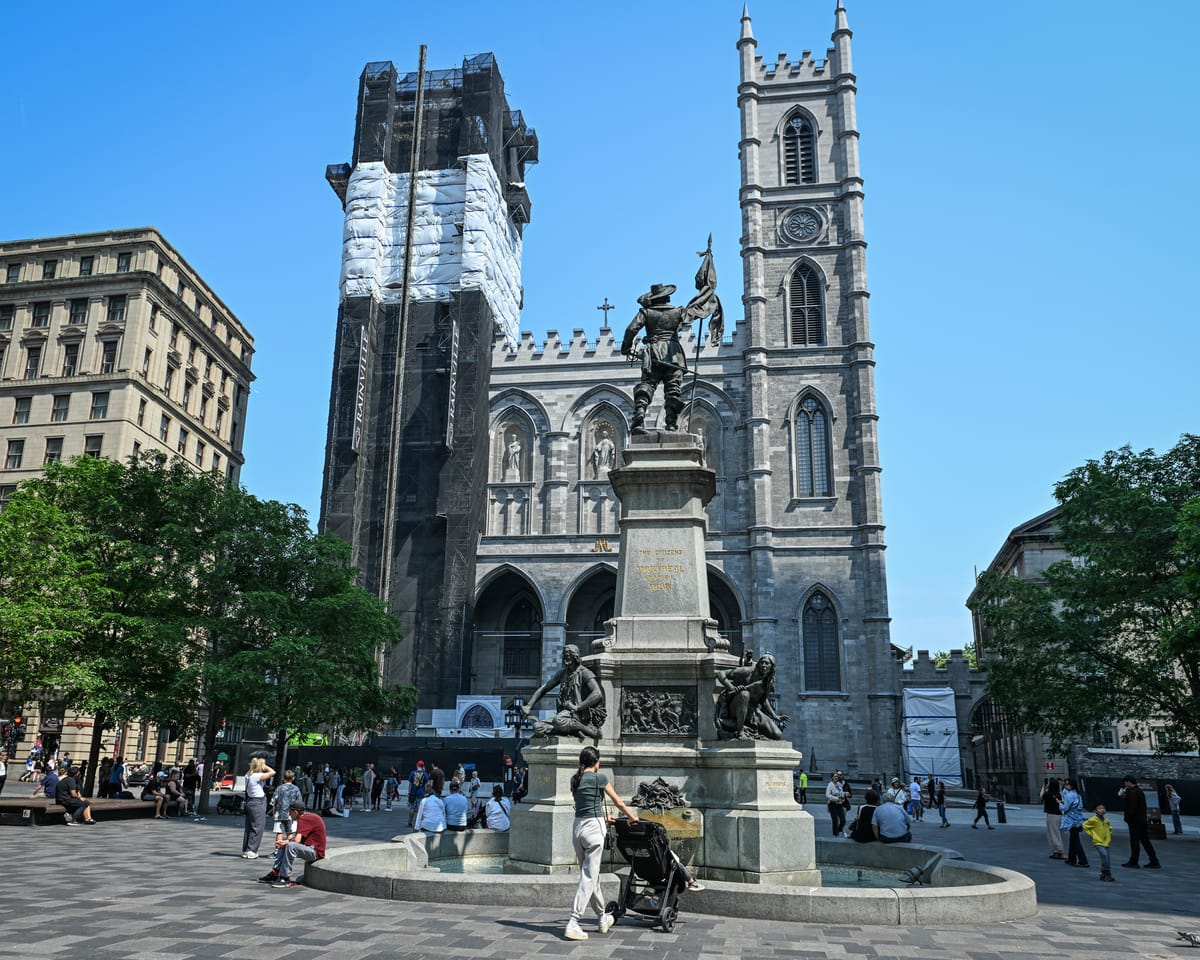
For months, the group Montreal4Palestine has held weekly protests outside Notre-Dame Basilica, incorporating open prayer sessions. These demonstrations have also led to opposing rallies.
Legault’s administration, the Coalition Avenir Québec, has prioritized secular policies, notably passing Bill 21 in 2019.
That law, which conflicts with both Quebec’s and Canada’s rights charters, restricts judges, police officers, prison staff, and teachers from wearing religious symbols while on duty. Other public employees, such as bus drivers, doctors, and social workers, must keep their faces visible.
In 2021, Quebec’s high court maintained the law despite recognizing its infringement on the religious and expressive freedoms of minorities. Under the "notwithstanding clause," Canadian governments can enact laws that override certain rights.
It remains uncertain if this clause will be used to pass the new prayer restrictions.
The Canadian Muslim Forum argued the government should address "genuine issues rather than limiting citizens’ rights" and avoid policies that "marginalize groups, encourage exclusion, and weaken social unity."
The proposal to ban public prayer followed a report by a provincial committee on secularism. Among its 50 suggestions, the committee recommended extending the ban on religious symbols to childcare staff. However, the report did not propose a province-wide prayer ban or additional regulations for universities on prayer spaces, stating that local authorities already have the power to regulate street prayer.
The Canadian Civil Liberties Association warned that prohibiting public prayer would violate religious, expressive, and assembly freedoms.
Read next
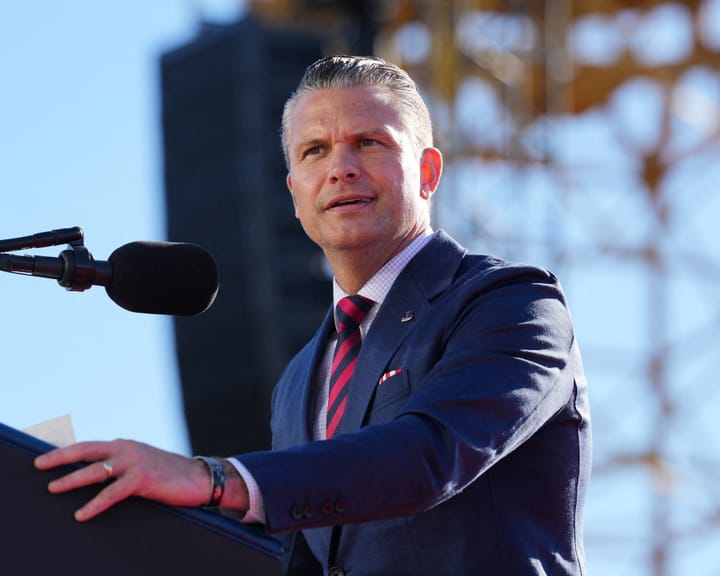
Pete Hegseth's proposal to stream executions aligns US with controversial nations.
If the US defense secretary, Pete Hegseth, proceeds with plans to livestream the execution of a soldier radicalized to extremist Islam, who killed 13 people at a military base in Texas, the US would join a group of lesser powers and rogue actors known for public executions in recent years.
Criminals steal €5m from renowned Italian winery
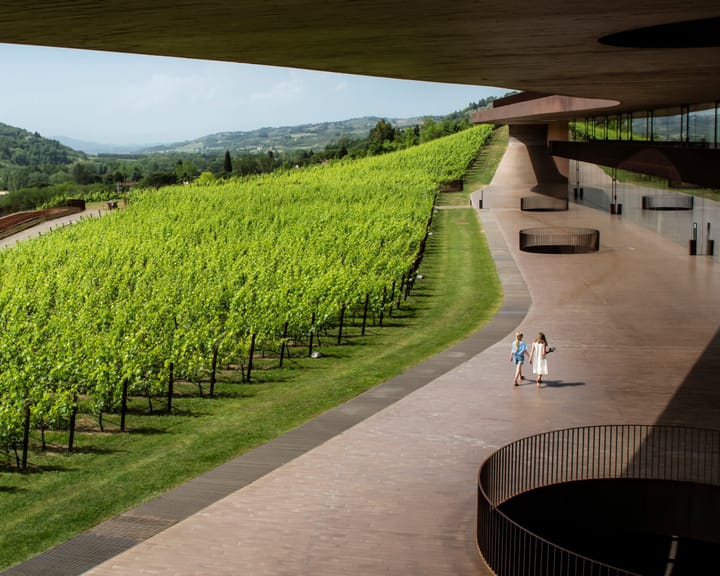
In a significant theft in Tuscany, thousands of wine bottles valued at €5 million have been stolen from the renowned Marchesi Antinori winery, marking what is considered the largest heist of its kind in Italy. A group of at least seven masked individuals breached the winery's cellar in
Illuminated Theater in Havana – A Photographic Journey
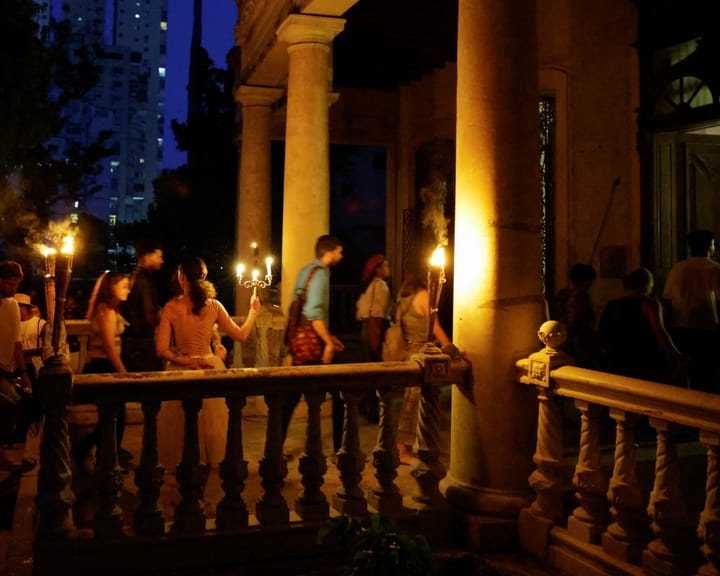
Widespread blackouts have become more frequent in Cuba since the US imposed energy sanctions in January. These outages often last longer than 24 hours as the aging electrical grid struggles to cope. The Impulso theatre group has been forced to adapt, as the power cuts present significant challenges for the