
"It took some getting used to," said Cameron Norrie. Eva Lys, a German player, described the conditions as "extremely difficult," while Jessica Pegula noted that the weather felt similar to her home state of Florida. The hottest beginning to a Wimbledon tournament on record has affected both competitors and attendees, prompting discussions on how the event might adapt to rising temperatures.
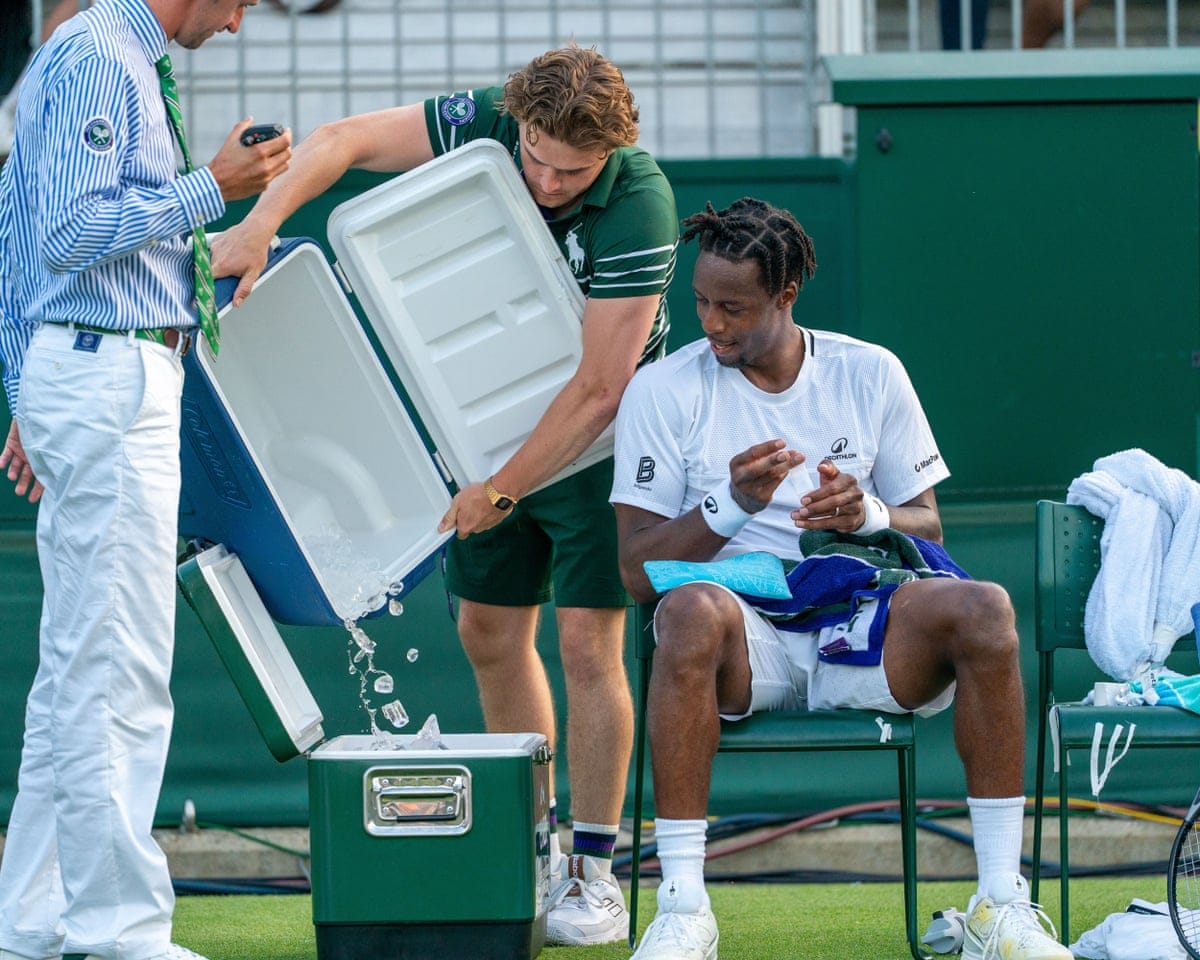
Several adjustments were noticeable at SW19 to address the recent heat. Ice towels, previously provided only when requested, were now widely available, placed on players’ shoulders during breaks to help regulate body temperature. Wimbledon’s organizers emphasized this as an important support measure, distributing 145 cooled towels on the first day alone, each packed with ice in hygienic plastic bags.
For those watching, additional water stations, more shaded areas, and regular announcements encouraged staying hydrated and using sunscreen. Staff schedules were adjusted to reduce heat exposure, while ball boys and girls wore new hats offering neck protection, paired with cooling scarves.
Perhaps the most notable change was the introduction of a "heat rule," allowing matches to be paused for 10 minutes if the Wet Bulb Globe Temperature—a combined measure of heat, humidity, and surface conditions—surpassed 30.1°C. Though not yet used in the early days of the event, its presence signals recognition that even Wimbledon, often imagined as a place of mild weather, must prepare for extreme heat.
Sally Bolton, chief executive of the All England Club, stated, "Players are accustomed to these conditions, but we have the rule in place if needed. For visitors less familiar with high temperatures, we recommend covering up, wearing hats, light clothing, sunscreen, and staying hydrated. Enjoy the tennis, but taking breaks from the sun is important."
Dr. Lee Taylor, an expert in exercise and environmental physiology at Loughborough University, noted that while heat risks in professional sports are better understood now, short-term cooling methods alone may not fully safeguard athletes' long-term well-being.
Read next

Weekly Sports Quiz: Focus on Harry Kane, Victor Wembanyama, and WSL Champions
Local Community Efforts Drive Environmental Change
In a small town nestled between rolling hills and dense forests, residents have taken it upon themselves to spearhead a movement aimed at fostering environmental sustainability. This grassroots initiative is drawing attention for its comprehensive approach to tackling ecological challenges.
At the heart of

France and US Reign in Rapid and Blitz at Pall Mall Masters Chess Event
Mastering chess in central London is uncommon, though the annual ChessFest in Trafalgar Square draws over 20,000 visitors.
In London's Pall Mall club scene, the RAC clubhouse has been the site for the Oxford vs. Cambridge Varsity match for nearly fifty years. In 2023, the Athenaeum hosted
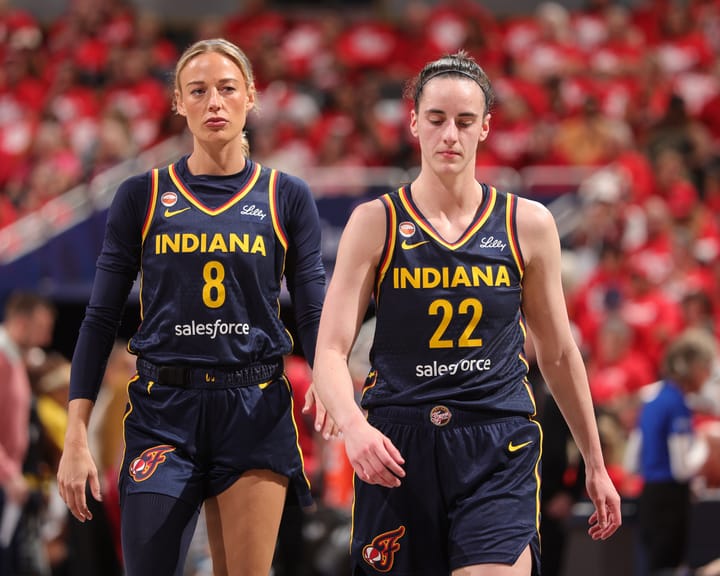
Indiana Fever and the Magasphere: A Risky Route to Fame for a WNBA Team
The Indiana Fever's season has concluded, marked by both its on-court performance and off-court controversies. Despite being eliminated by the Las Vegas Aces for the second consecutive year, the team has drawn significant attention, becoming a focal point in the WNBA this season.
The Fever'