
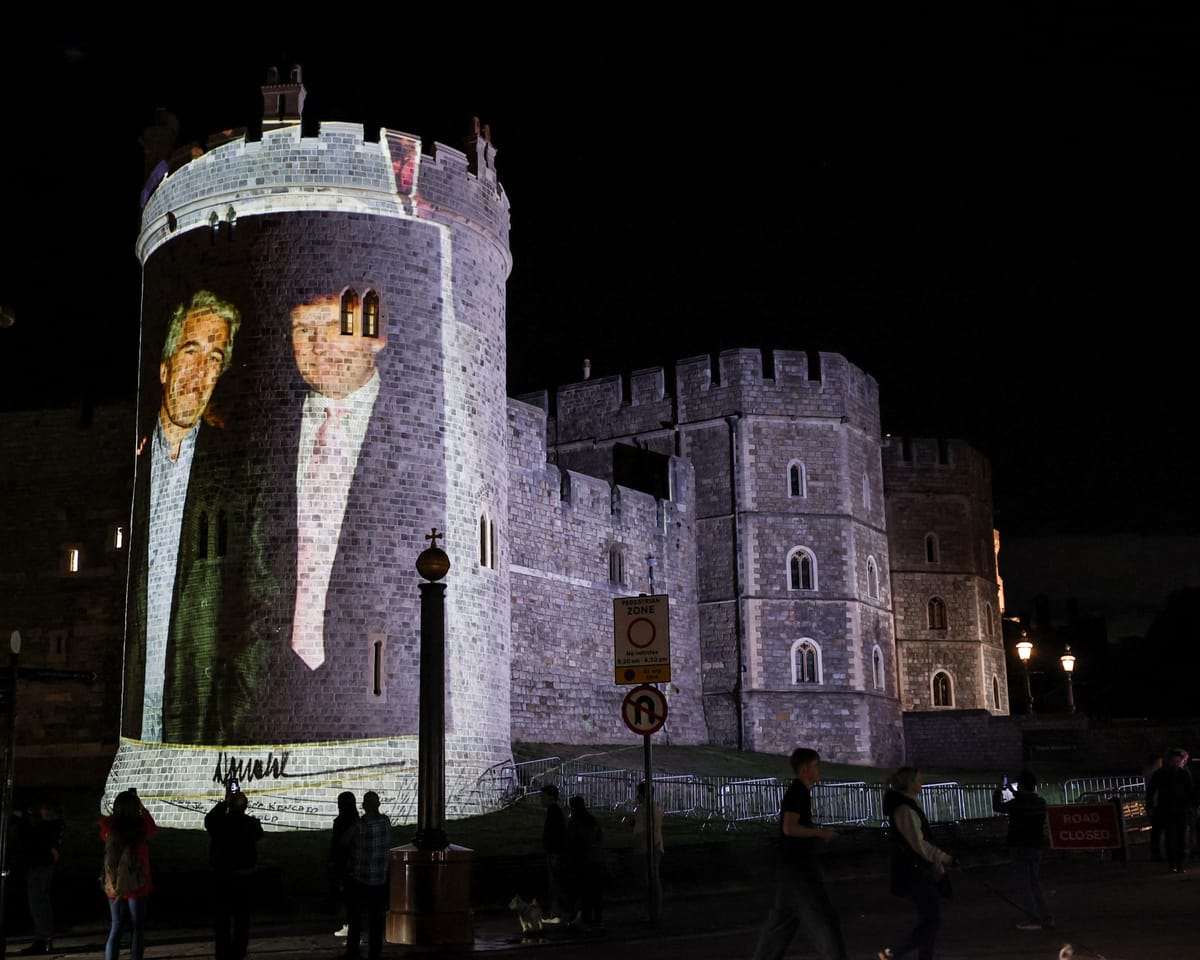
Authorities have announced that no further steps will be taken against four individuals detained in relation to projecting an image of Donald Trump and the convicted sex offender Jeffrey Epstein onto Windsor Castle.
The display occurred during Trump’s second state visit on 16 September, organized by the activist group Led By Donkeys, intending to highlight the former US president's longstanding association with Epstein.
Alongside images of Epstein’s victims, news coverage of the case, and police records, a letter purportedly sent by Trump to Epstein was also projected onto the castle.
The individuals—a 60-year-old from East Sussex, a 37-year-old from Kent, and two London residents aged 36 and 50—were initially held on suspicion of offenses such as malicious communications and public nuisance.
However, Thames Valley Police confirmed on Wednesday that the inquiry had ended, with no further action planned.
Trump’s ties to Epstein have faced renewed attention in recent months after US lawmakers released documents, including an alleged birthday note from Trump to the disgraced financier.
The projected letter included a supposed exchange between the two, in which Trump referred to Epstein as a “pal” and wrote: “May every day be another wonderful secret.” The text was accompanied by a crude drawing of a nude female figure.
Trump has previously denied composing the letter, and the White House has disputed its validity.
Following the arrests in September, Led By Donkeys criticized the police response as excessive, calling it “Orwellian” and “absurd” for targeting the projection of reported facts onto a building.
Read next

Rich Britons fleeing Gulf conflict skip the UK to dodge tax bills
Wealthy Britons escaping conflict in the Gulf are looking for refuge in places such as Ireland and France to sidestep large tax charges at home.
Facing possible claims from HM Revenue and Customs, high‑net‑worth individuals who have been residing in the United Arab Emirates and nearby states hope
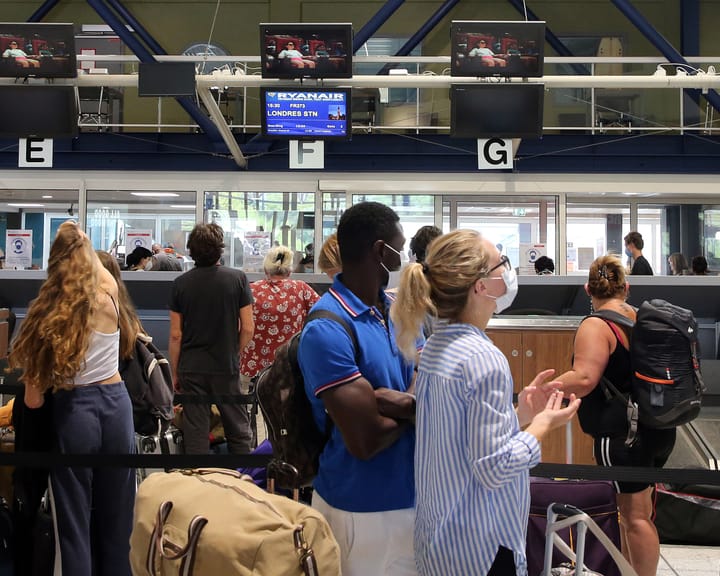
Home Office reverses policy, allowing certain dual nationals to enter the UK with an EU passport.
British dual nationals who are EU citizens with post‑Brexit settlement status in the UK will no longer need a British passport to re‑enter the country, the Home Office announced, overturning its earlier dual‑national border policy.
The amendment, which critics described as “buried” on a government website, appears

Hereditary Lords set to lose their seats in the House of Lords
Hereditary titles will be ended before the forthcoming monarch’s address after an agreement was reached to award life peerages to certain Conservatives and cross‑benchers who would otherwise lose their places.
On Tuesday night the upper chamber approved the final version of the House of Lords (hereditary peers) Bill,