
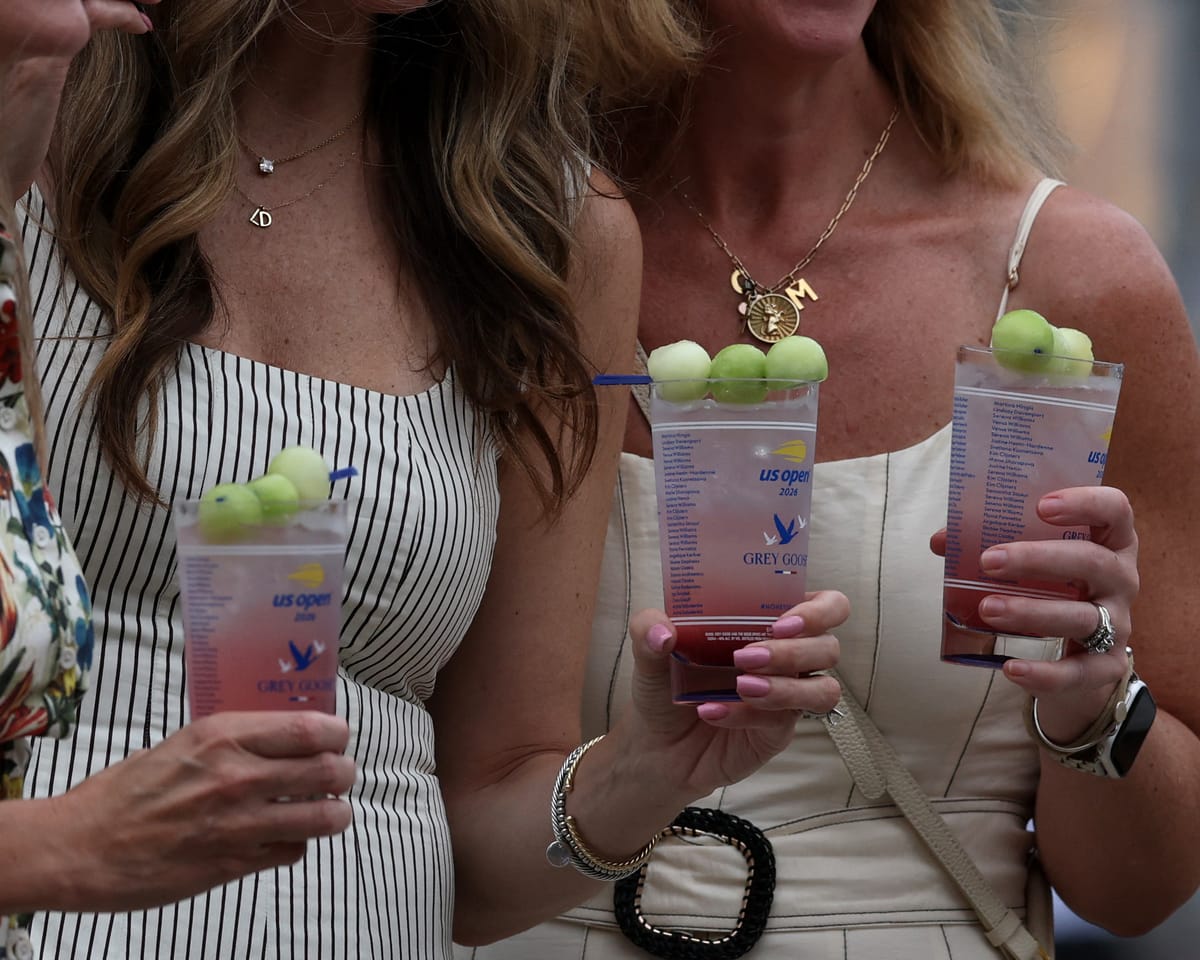
The first thing you notice while sitting in the upper tiers of Arthur Ashe Stadium is the noise. A persistent exterior hum filters up from ground level, fed by the massive ventilation and cooling units that sit outside the stadium, the clack of the Long Island Rail Road to the north, and the forklifts receiving goods from the refrigerator trucks that keep the USTA Billie Jean King National Tennis Center supplied with its essentials. Overhead, planes descending toward LaGuardia airport ensure the auditory assault takes place by land and air simultaneously. In the lower rakes of the stadium, the babble of the spectators is incessant; it's not unusual to overhear full-volume conversations on various non-tennis topics – work, family, romance, last night's dinner – that continue without interruption for the duration of an entire match.
New York is famously noisy, and the US Open, as the most glamorous annual sporting event in town, has always been loud in sympathy with its environment. Indeed, the brashness of the American grand slam has historically been its major distinguishing point, the signature that separates it from the Australian Open, Wimbledon, and the French Open. People have been complaining about the volume of the New York crowd for decades. But this year the noise at the US Open feels different. This year noise at the noisy slam has become a problem.
Influencers have been identified as the main culprit: one filming with a ring light caused a brief stoppage in Naomi Osaka's first-round match; another group of dancing TikTokers went viral with their balcony routine during a match last week; various players have complained about ticketholders more interested in filming themselves than watching the tennis causing distractions during play. But influencers are not solely to blame, and there have also been more general grievances about fan behavior: Jakub Menšik got a drunk spectator ejected during his loss to Learner Tien, while Aryna Sabalenka complained about the persistent smell of marijuana invading the court during her victory over Kamilla Rakhimova. "It's become a bit of a zoo," said journeyman Adrian Mannarino last week when describing the atmosphere at this year's Open.
How bad are things really, though? It's true that the grounds at the US Open this year have felt at times oppressively crowded. But the shoving obliviousness of the fans – the constant staring at phones, the almost universal lack of spatial awareness, the inconsiderate jostling in the lines – reflects nothing more than the effect of tech and commerce on culture at large. The tournament is drenched in commercial influence: more than it is a series of tennis matches, the US Open is a showcase for brands offering everything from yogurt to luxury cars.
Tournament organizers have no standing to complain when they themselves have courted the very commercial dollar that brings influencers through the gates. Then there's the question of the actual disruptiveness caused by all this noise. Tennis is unusual among the big professional sports in its insistence on respectful silence during play. Is it time for tennis to change? On the outer courts at Flushing Meadows, doubles teams and lower-ranked singles competitors lash the ball at each other with a ferocity that seems entirely undiminished by the crush of spectators gabbing and milling about in their vicinity. If these players are unbothered, why can't the top players on the main courts learn to shut out the noise?
But also: we live in a society. The smell of marijuana is unavoidable on the streets of New York, and sometimes that trademark skunk will waft on to the courts at the US Open. So what? Part of making a substance legal is that the odor of that substance is also legal. As a nod to local tradition, what could be more appropriate than a US Open that's consistently smelly?
The debate over odor, noise, and influencer behavior exposes a deeper crisis in tennis. Every US Open now begins with a week of discussion over ticket prices and the prospect of tennis's flashiest tournament turning into a compound for the super-rich; the USTA then goes into crisis mode about "access" during the pre-tournament fan week. But then the tournament begins and the narrative shifts: what, the tennis purists demand to know, is this boozy, stoner rabble stumbling through the gates and why are they making so much noise? Suddenly, a public conversation that was about accessibility becomes a policing operation centered around heritage and etiquette. Well, which one is it going to be: do we want grand slam tennis to be a sport of the people, or the exclusive entertainment of a well-behaved few?
As annoying as a lot of the fans at the US Open are, it would be a mistake for the USTA to use the backlash against influencers, marijuana smokers, mid-point talkers, and various other behavioral deviants as the pretext for a restriction of access. "You want people to continue to grow the sport," Osaka argued. "I just think it has to be in a way that everyone knows the rules and the etiquette."
But there's ultimately a limit to how much etiquette can really achieve. It is not up to the USTA, or the players on tour, or anyone else, to decide who gets to buy a ticket to the US Open; the sole criterion of entry is the ability to pay the price of admission. Sporting crowds are necessarily a reflection of society.
Nothing is inevitable. Tennis can be whatever we want it to be. One of the most instructive walks you can take at the US Open is once you leave the grounds. Exiting to the south and west, you'll find groups of mostly Hispanic families and friends having the time of their lives on the vast fields of Flushing Meadows Corona Park, playing football and volleyball and grilling and drinking long into the night. Continuing west you'll eventually land in Corona, a densely populated working-class neighborhood. The streets are clamorous and intense, filled with the clatter of the elevated 7 train, the pop and sizzle of the food trucks, and the chatter of twilight conversations. But there are no phone-gazing zombies meandering across pavements. These streets are packed with people and thrumming with life, but their vibrancy is neighborly, uplifting, and welcoming, rather than selfish and bland as is the case beyond the entrance gates of the National Tennis Center.
Read next
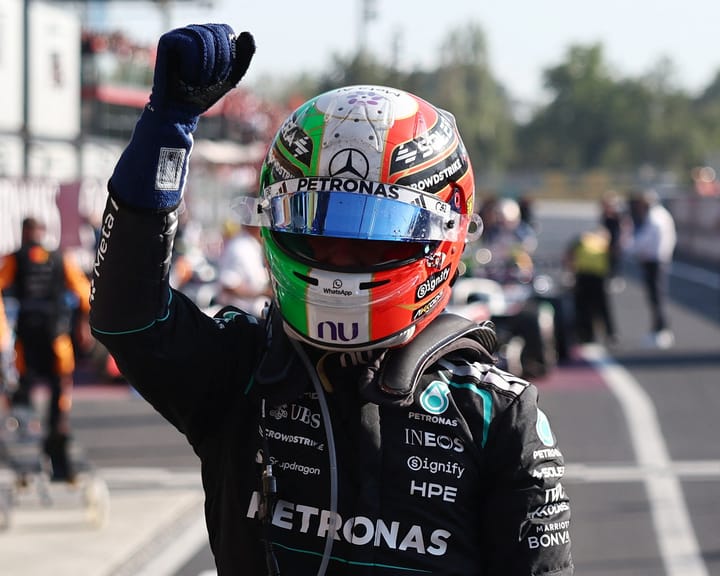
Italian Antonelli wins from 19th at Monza, ending Italy's 60-year home F1 drought
Kimi Antonelli claimed victory at the Italian Grand Prix with a remarkable performance for Mercedes at Monza, recovering from 19th on the grid to secure his first win at his home race. The historic achievement saw him finish ahead of his Mercedes teammate George Russell, who started second and dropped
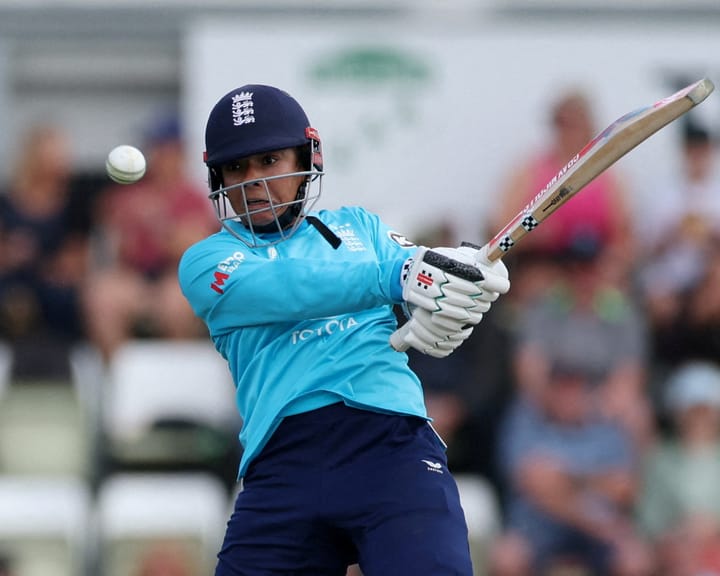
England Beats Ireland 3-0 as Sophia Dunkley's 119 Anchors Victory Despite Batting Collapse
A composed century from Sophia Dunkley helped England complete a series whitewash over Ireland in the third ODI at Worcester on Sunday, though a late batting collapse left the result closer than expected.
England, batting first for the first time in the series, appeared set for a sizeable total after
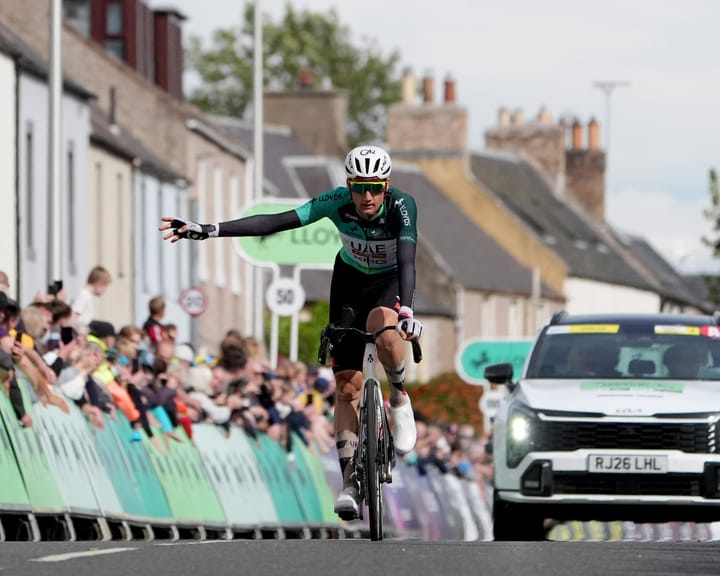
Tim Wellens secures Tour of Britain victory with decisive final stage performance
Tim Wellens, Belgian teammate of Tadej Pogacar at UAE Emirates XRG, claimed overall victory in the men’s Tour of Britain after seizing the race lead on Saturday’s fourth stage through the hills of North Yorkshire.
Wellens began the final stage in Earlston with a 21-second advantage over