
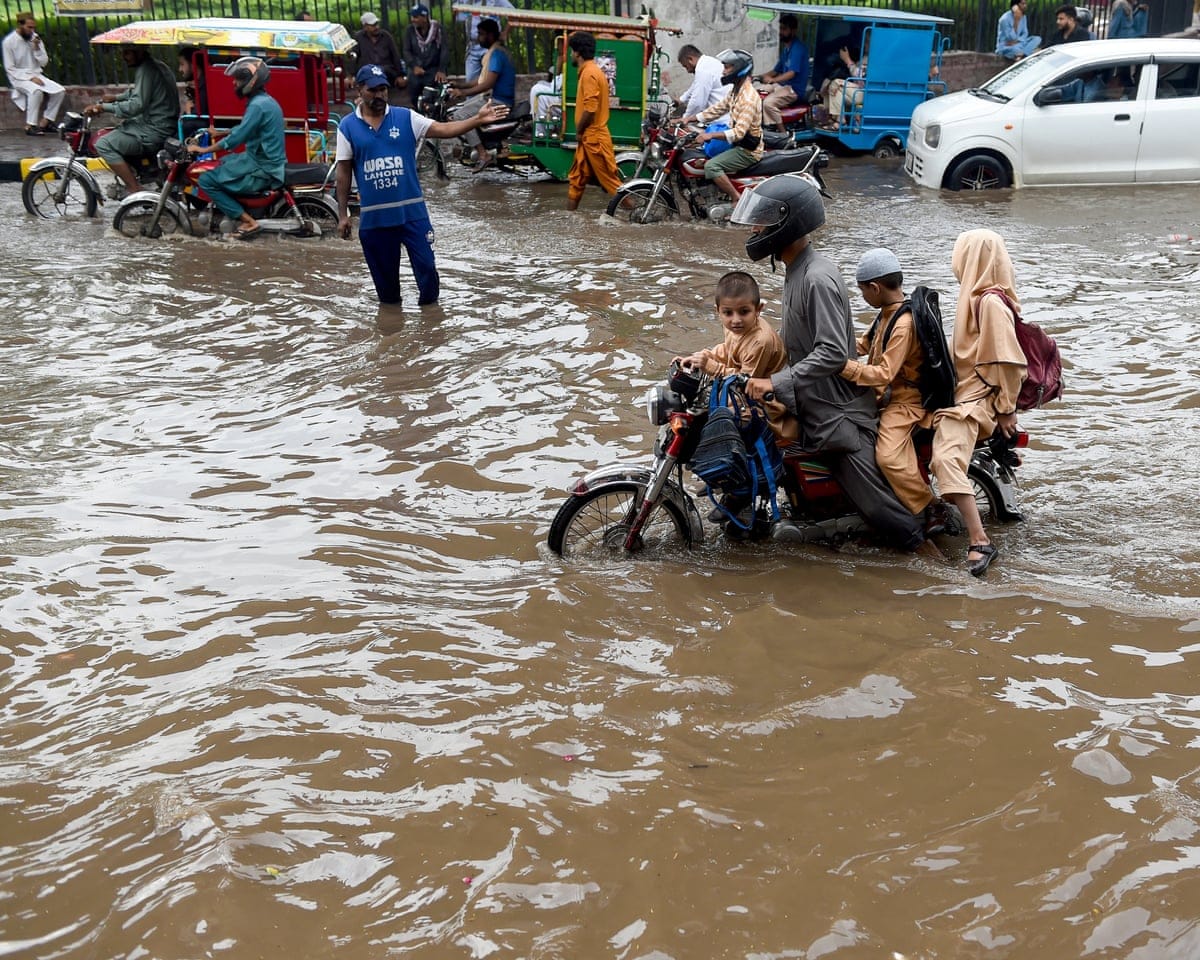
Glaciers in northern Pakistan melting rapidly due to extreme heat, causing deadly floods
Glaciers in northern Pakistan are receding at an alarming rate due to unusually high summer temperatures, resulting in destructive flash floods and landslides.
This summer’s heavy monsoon rains and flooding have caused widespread damage across the country, claiming at least 72 lives and injuring more than 130 since late June.
In the mountainous region of Gilgit-Baltistan, temperatures soared to 48.5°C (119.3°F), described by officials as unprecedented for an area situated more than 1,200 meters above sea level, known for its icy peaks. The previous temperature record of 47°C was set in 1971.
The region, home to parts of the Himalayas, Hindu Kush, and Karakoram ranges, has seen glacial melting accelerate in recent days.
As a result, local rivers have swollen, and unstable glacial lakes have formed and collapsed, unleashing flash floods and landslides that have destroyed villages and roads. Some communities have been completely cut off, while others are without power or clean water.
Zakir Hussain, head of Gilgit-Baltistan’s disaster management authority, described the situation as "very serious," warning that the rapid formation of hazardous glacial lakes poses a severe threat to residents.
He said evacuations were underway in areas near the glaciers. "We are dealing with floods in multiple locations," he added. "The extreme heat is deeply concerning. We have never experienced such weather conditions here before."
He warned that the crisis may only be beginning, with high alerts remaining in place as heat warnings persist.
Gilgit-Baltistan is home to around 7,200 glaciers, though their numbers and size have decreased in recent years due to climate change. These glaciers are crucial to Pakistan’s river systems and water supply.
Tariq Ali, a local resident, said flooding and extreme heat have ruined vast stretches of farmland, a primary source of income for many.
"It’s like hell," said Ali. "Rain has been absent for a long time, leaving only intense heat and rapid ice melt. I have never seen summers like this in Gilgit before."
With a population of 240 million, Pakistan remains highly vulnerable to climate change, facing unpredictable rainfall, severe heatwaves, and an elevated flood risk. Catastrophic floods in 2022 killed at least 1,700 people and affected over 33 million.
Experts warn that similar flooding could occur again. Heavy rains have recently hit Punjab province, causing urban flooding, and officials predict above-average rainfall in the coming days.
Last month, a family on holiday was killed after being swept away by the Swat River in northern Pakistan.
Read next

Bolivia Probes Ex-President Evo Morales for Suspected Involvement in 2009 Killings
The Bolivian attorney general has initiated an investigation into former leftist president Evo Morales, citing allegations of his involvement in the murder and torture of European nationals in 2009.
In 2009, police conducted a raid on a Santa Cruz hotel, resulting in the deaths of Eduardo Rózsa Flores, a Bolivian-
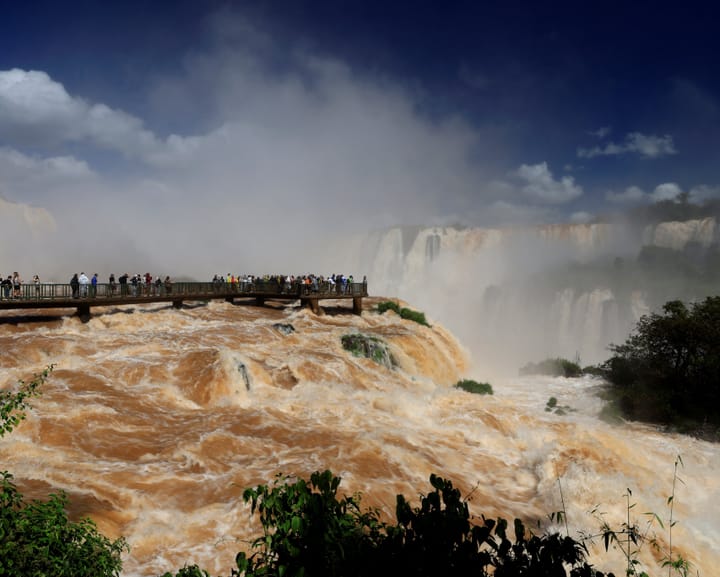
Argentina Closes Iguazu Falls Temporarily Due to El Niño-Induced Water Surge
Heavy rainfall driven by a potent El Niño weather pattern temporarily led Argentinian authorities to close tourist access to the renowned Iguazu Falls. The closure occurred due to concerns that rising water levels might cause the river to overflow its banks.
On Monday, national park officials implemented this precautionary measure

Mysterious Drones Strike Two Vessels Near Bulgarian Coast – Europe Live
Morning Update: Two Ships Targeted by Drones Off Bulgarian Coast
This morning, two ships in the Black Sea near Bulgaria were struck by drones of unknown origin. The attack led to the sinking of one vessel and initiated emergency rescue operations, as reported by Bulgarian Prime Minister Rumen Radev. Rescue