
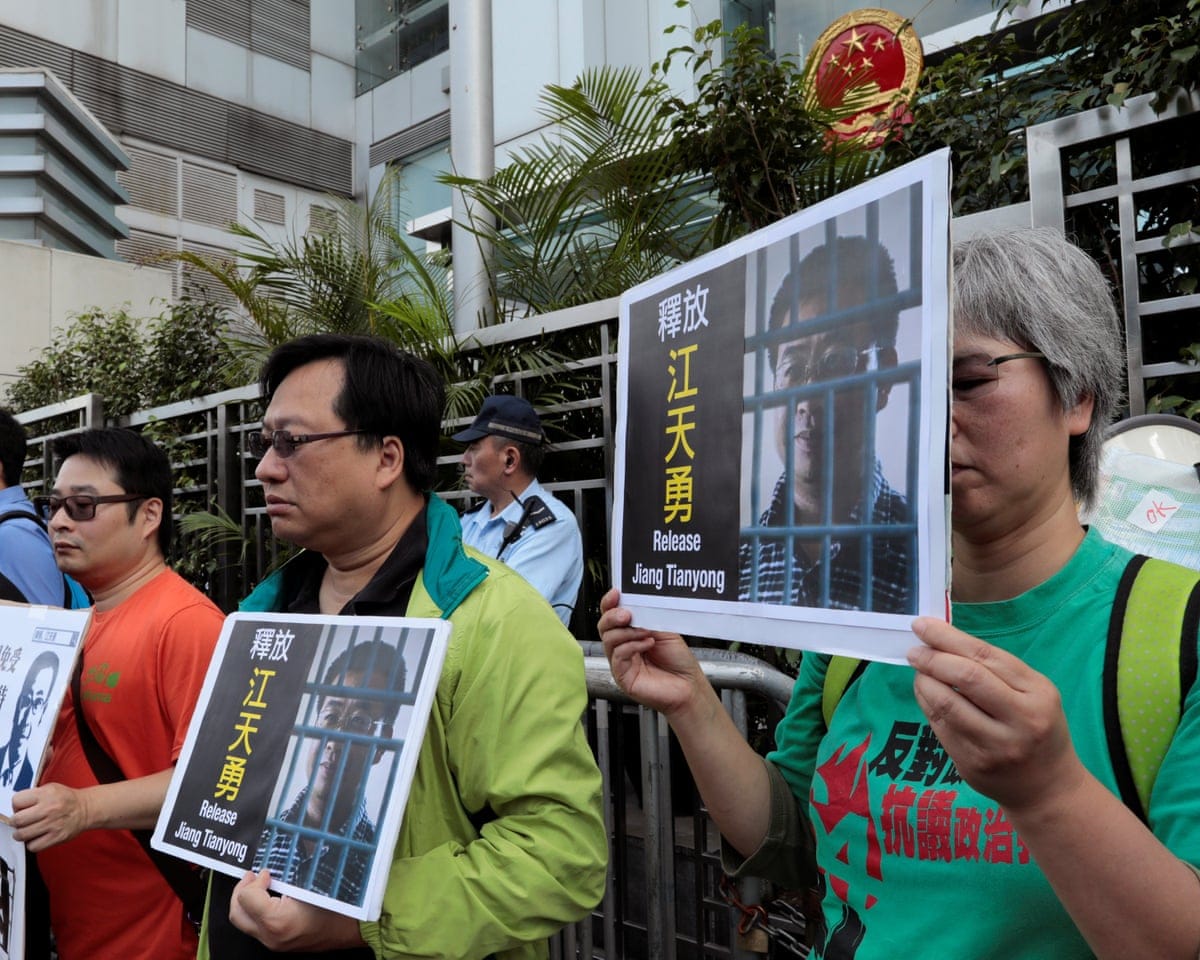
A decade after China's most extensive campaign against human rights lawyers in recent history, legal professionals and advocates report that the Chinese Communist Party's grip on the legal field has strengthened, leaving little room for rights defense work.
The situation for human rights law has "consistently worsened, particularly after the pandemic," said Ren Quanniu, a former human rights lawyer who was disbarred. "Currently, the rule of law in China—particularly regarding the protection of human rights—has weakened to a level nearly matching that of the Cultural Revolution." The Cultural Revolution, initiated by China’s former leader Mao Zedong in 1966, was a period of widespread upheaval when judicial institutions were denounced as "bourgeois" and the emerging court system was effectively halted.
Ren is among hundreds of human rights lawyers affected since the "709 incident," a nationwide operation that began on 9 July 2015, targeting lawyers and activists. Rights organizations and U.S. authorities estimate that around 300 individuals linked to the growing rights defense movement—known as *weiquan*—were swept up in the crackdown. At least 10 were convicted of offenses such as "subversion of state power" and sentenced to prison, while many others have faced surveillance, harassment, and the loss of their professional licenses in the years since.
Historically, China has not been welcoming to human rights lawyers. However, during the more open period of the early 2000s, with the growth of the internet and China’s aspirations for global recognition, civil society expanded in ways that now seem unthinkable. Lawyers secured victories in cases involving contaminated infant formula and exploited migrant workers.
"We can't claim success—only that our efforts made it harder for authorities to target certain groups," said Jiang Tianyong, a 54-year-old former human rights lawyer known for representing religious and ethnic minorities. Jiang was imprisoned for two years on charges of "inciting subversion of state power."
Yet the emerging movement Jiang was involved in was quickly suppressed after Xi Jinping assumed power in 2012.
### A Less Visible Crackdown
While some weiquan lawyers also supported political reform, most concentrated on working within China's existing legal structure. "Our work wasn't about spreading foreign ideas," Ren explained. "It was about defending ordinary citizens under China’s own laws—those of the Communist Party’s legal system. But even within those limits, lawyers were barred from providing assistance."
Under Xi’s leadership, activists have been detained, independent law firms and NGOs have been restricted, and any organized activity outside the Communist Party’s control has been heavily curtailed.
Read next
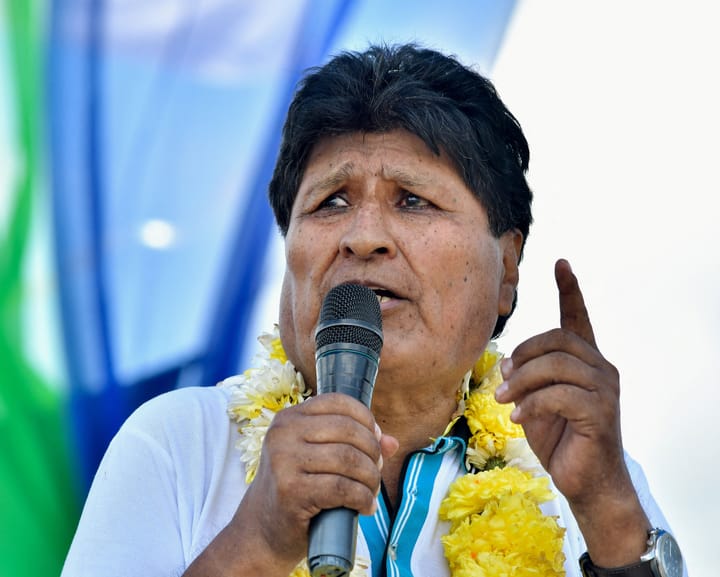
Bolivia Probes Ex-President Evo Morales for Suspected Involvement in 2009 Killings
The Bolivian attorney general has initiated an investigation into former leftist president Evo Morales, citing allegations of his involvement in the murder and torture of European nationals in 2009.
In 2009, police conducted a raid on a Santa Cruz hotel, resulting in the deaths of Eduardo Rózsa Flores, a Bolivian-

Argentina Closes Iguazu Falls Temporarily Due to El Niño-Induced Water Surge
Heavy rainfall driven by a potent El Niño weather pattern temporarily led Argentinian authorities to close tourist access to the renowned Iguazu Falls. The closure occurred due to concerns that rising water levels might cause the river to overflow its banks.
On Monday, national park officials implemented this precautionary measure
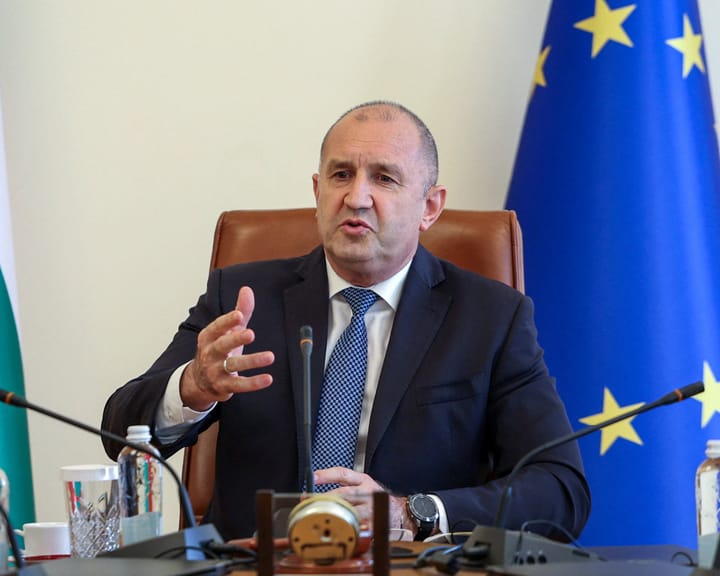
Mysterious Drones Strike Two Vessels Near Bulgarian Coast – Europe Live
Morning Update: Two Ships Targeted by Drones Off Bulgarian Coast
This morning, two ships in the Black Sea near Bulgaria were struck by drones of unknown origin. The attack led to the sinking of one vessel and initiated emergency rescue operations, as reported by Bulgarian Prime Minister Rumen Radev. Rescue