
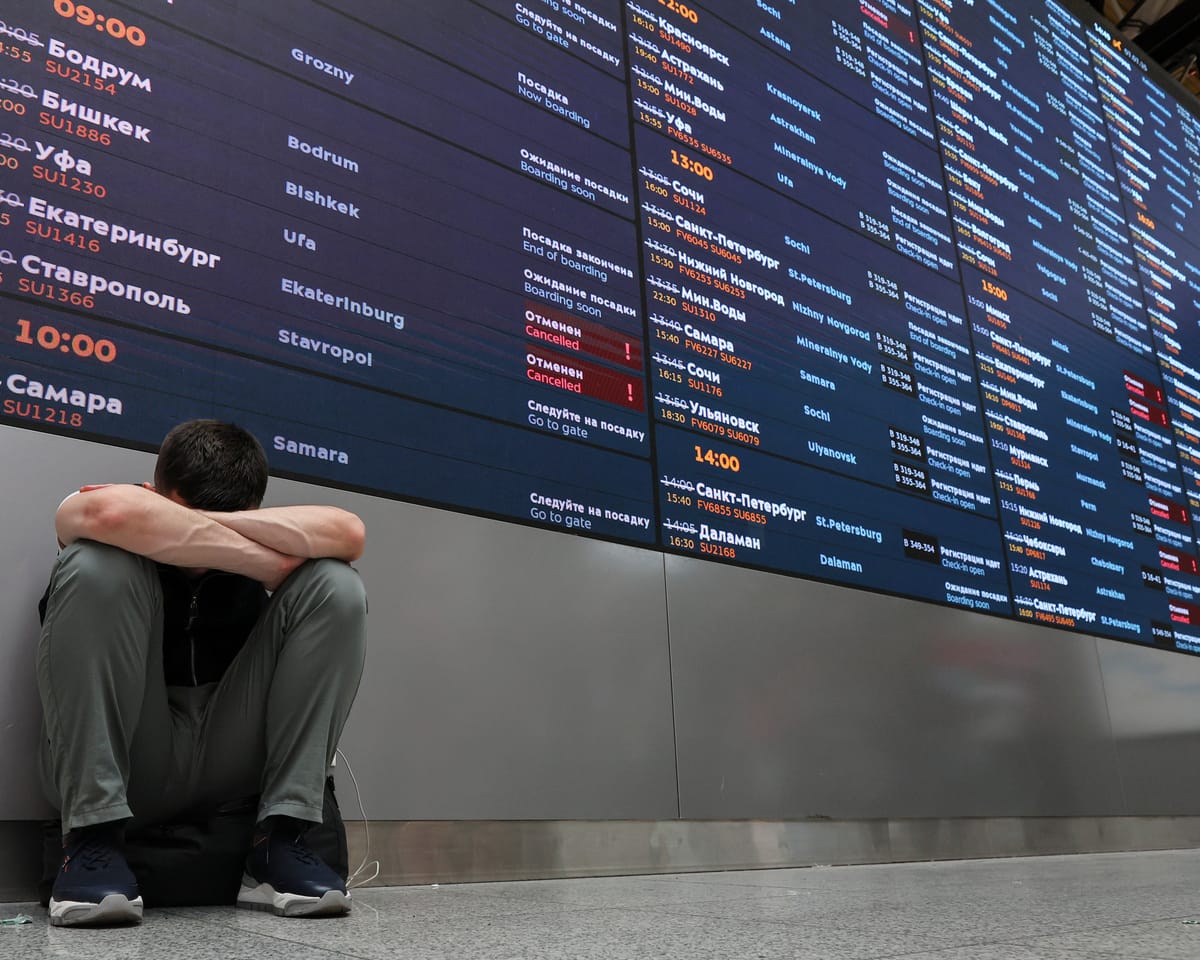
Early on Monday last week, Vladimir Shevchuk, 38, his wife, and their two children arrived at Sheremetyevo airport in Moscow, their luggage packed with summer clothes for a much-anticipated vacation in Antalya. Like many others, they had hoped to leave behind the city's heat, only to hear an announcement echo through the terminal: all flights were grounded.
They spent the day—and night—sleeping on the airport floor, waiting for news. By the next morning, they learned their flight had been postponed until later in the week.
“We spent a year saving for this trip,” Shevchuk said. “Our hotel and car rental won’t be refunded, and we can’t just postpone.”
Thousands of travelers, like Shevchuk, have faced unexpected disruptions in recent weeks as Ukrainian drone strikes repeatedly shut down airspace over Moscow.
What started as sporadic incidents has grown into a sustained effort by Ukraine, intended to make ordinary Russians feel the effects of a war many have otherwise witnessed only through news broadcasts.
The disruption pales in comparison to the constant danger Ukrainian civilians endure under missile and drone attacks. But for many Russians, who have remained largely untouched by the direct consequences of the invasion since 2022, the airport closures may be the first real sign that the conflict is affecting their daily lives.
Though few drones penetrate Moscow’s defenses, their low cost compared to the widespread travel delays makes them an effective tool for undermining stability.
Ukraine’s leadership has given up trying to sway Russian public opinion against the war. Instead, the focus appears to be on ensuring the costs of the conflict—beyond just battlefield casualties—become impossible to ignore.
Officials in Kyiv have not formally acknowledged the strategy, but they have stressed that life in Russia cannot continue as usual for a population that still broadly supports the war.
The approach seems to be working: frequent airport shutdowns and canceled vacations have become a common topic of conversation—and increasing frustration—among Russians.
Beyond personal inconveniences, the disruptions carry significant economic repercussions for Russia’s aviation sector, already under pressure from international sanctions.
From July 6-7, during one of the worst waves of cancellations so far, airlines across the country scrapped 485 flights and delayed nearly 1,900 more, according to federal aviation authorities. Over 43,000 passengers were stranded.
Read next

Digital Breach Causes Freezing Failure in Two French Supermarket Chains
French supermarket chains Intermarché and Cooperative U have experienced a significant cyber-attack that led to the defrosting of their refrigerators, according to statements from the retailers.
Approximately 150-200 Intermarché locations and nearly 100 Cooperative U stores were targeted in the attack, as reported on Monday. Paris prosecutors confirmed
Man Freed from Sardinian Cave After 26-Hour Rockslide Ordeal
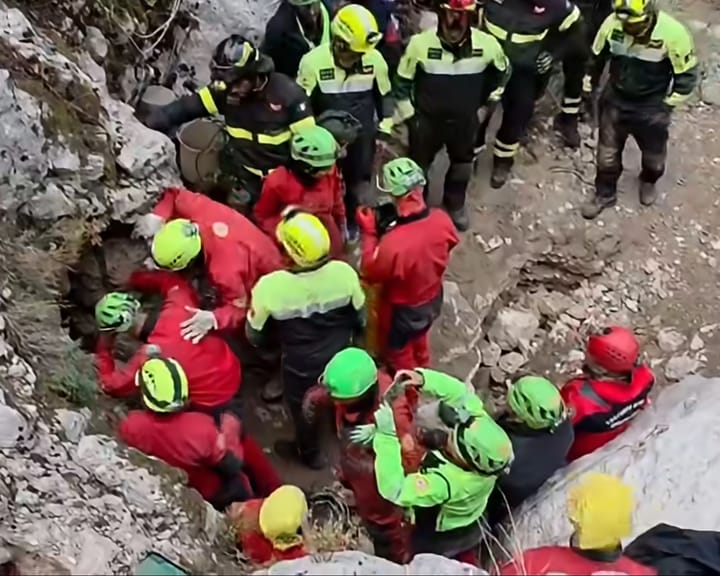
A 31-year-old man was rescued alive from a cave on the Italian island of Sardinia after being trapped about 10 meters underground for 26 hours due to a rockslide.
In an extensive and intricate rescue operation, emergency teams worked continuously after Luca Olmetto became trapped in the Gorroppeddu
Marché des Enfants Rouges, Known as Paris' 'Coolest Market,' Ravaged by Fire
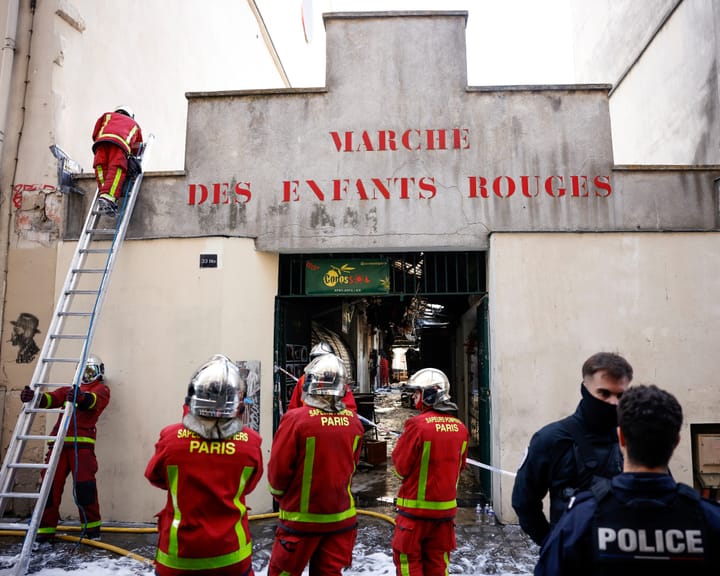
A devastating fire has swept through Paris's oldest surviving covered food market, a beloved street food destination in the Marais district. This historical venue, which attracted both locals and tourists daily, dates back to the 17th century.
Ariel Weil, the mayor of central Paris, described the Marché des