
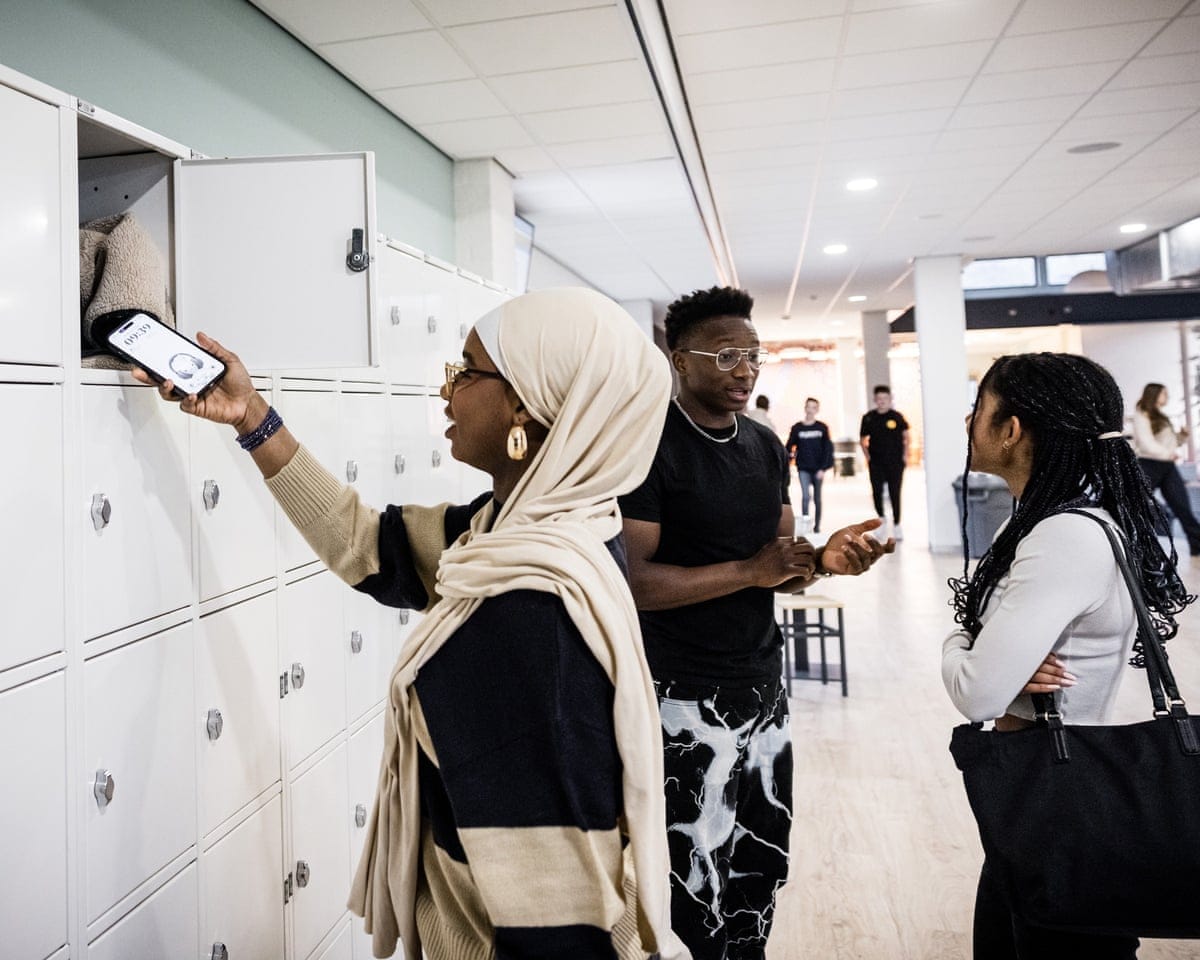
Smartphone Bans in Dutch Schools Show Positive Impact, Study Finds
A study commissioned by the Dutch government has found that prohibiting smartphones in schools has enhanced the learning environment, despite early objections.
National guidelines implemented in January 2024 advise keeping phones out of classrooms, with nearly all schools following the policy. Approximately two-thirds of secondary schools require students to leave phones at home or store them in lockers, while others collect devices at the start of lessons.
Researchers surveyed 317 secondary and 313 primary school leaders and conducted 12 focus groups with teachers, staff, students, and parents. Secondary schools reported improvements in students’ ability to concentrate (75%), a better social atmosphere (59%), and some noted academic progress (28%).
According to Dr. Alexander Krepel of the Kohnstamm Instituut, student interactions have notably improved. “Taking photos in class and sharing them in messaging groups is no longer possible, which has increased social safety,” he said. “Since students aren’t on their phones during breaks, they engage more with each other—even if it sometimes leads to minor disagreements. Overall, the change in environment has been well-received.”
Initial concerns about the ban were largely unfounded, said Freya Sixma of the VO-raad, a council representing secondary schools. “There was considerable resistance at first from staff, students, and parents over how the policy would function,” she noted. “But now, most stakeholders are satisfied with the outcome.”
In special education schools, where exemptions may apply for learning aids, around half reported beneficial effects. Primary schools saw less dramatic shifts, as smartphone use had previously been minimal, though a quarter still noted positive changes.
Mariëlle Paul, the education minister, stated that national guidelines have helped maintain classroom discipline. “Teachers and administrators found that individual efforts to ban phones often led to debates,” she said. “Less experienced educators, in particular, struggled to enforce such rules alone.”
Paul also suggested policymakers could learn from the results. “As adults, we recognize how apps like messaging and social media can be distracting. We attempted a similar measure during an education debate but found it challenging.”
Read next

Bolivia Probes Ex-President Evo Morales for Suspected Involvement in 2009 Killings
The Bolivian attorney general has initiated an investigation into former leftist president Evo Morales, citing allegations of his involvement in the murder and torture of European nationals in 2009.
In 2009, police conducted a raid on a Santa Cruz hotel, resulting in the deaths of Eduardo Rózsa Flores, a Bolivian-

Argentina Closes Iguazu Falls Temporarily Due to El Niño-Induced Water Surge
Heavy rainfall driven by a potent El Niño weather pattern temporarily led Argentinian authorities to close tourist access to the renowned Iguazu Falls. The closure occurred due to concerns that rising water levels might cause the river to overflow its banks.
On Monday, national park officials implemented this precautionary measure
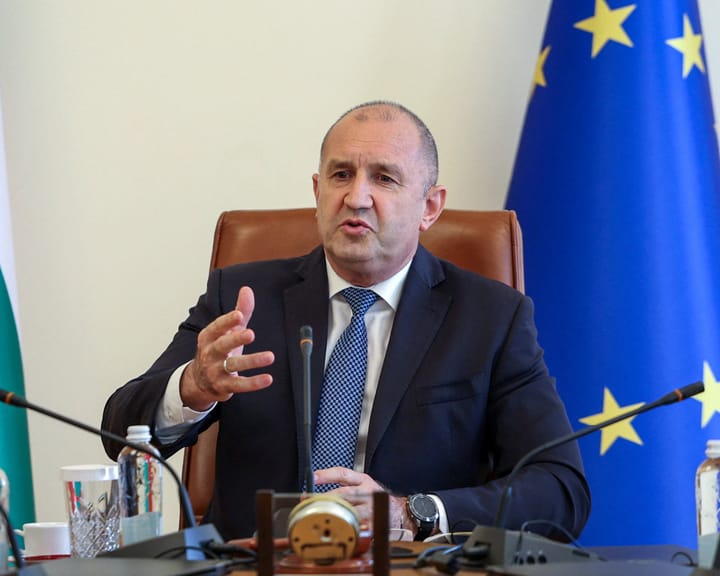
Mysterious Drones Strike Two Vessels Near Bulgarian Coast – Europe Live
Morning Update: Two Ships Targeted by Drones Off Bulgarian Coast
This morning, two ships in the Black Sea near Bulgaria were struck by drones of unknown origin. The attack led to the sinking of one vessel and initiated emergency rescue operations, as reported by Bulgarian Prime Minister Rumen Radev. Rescue