
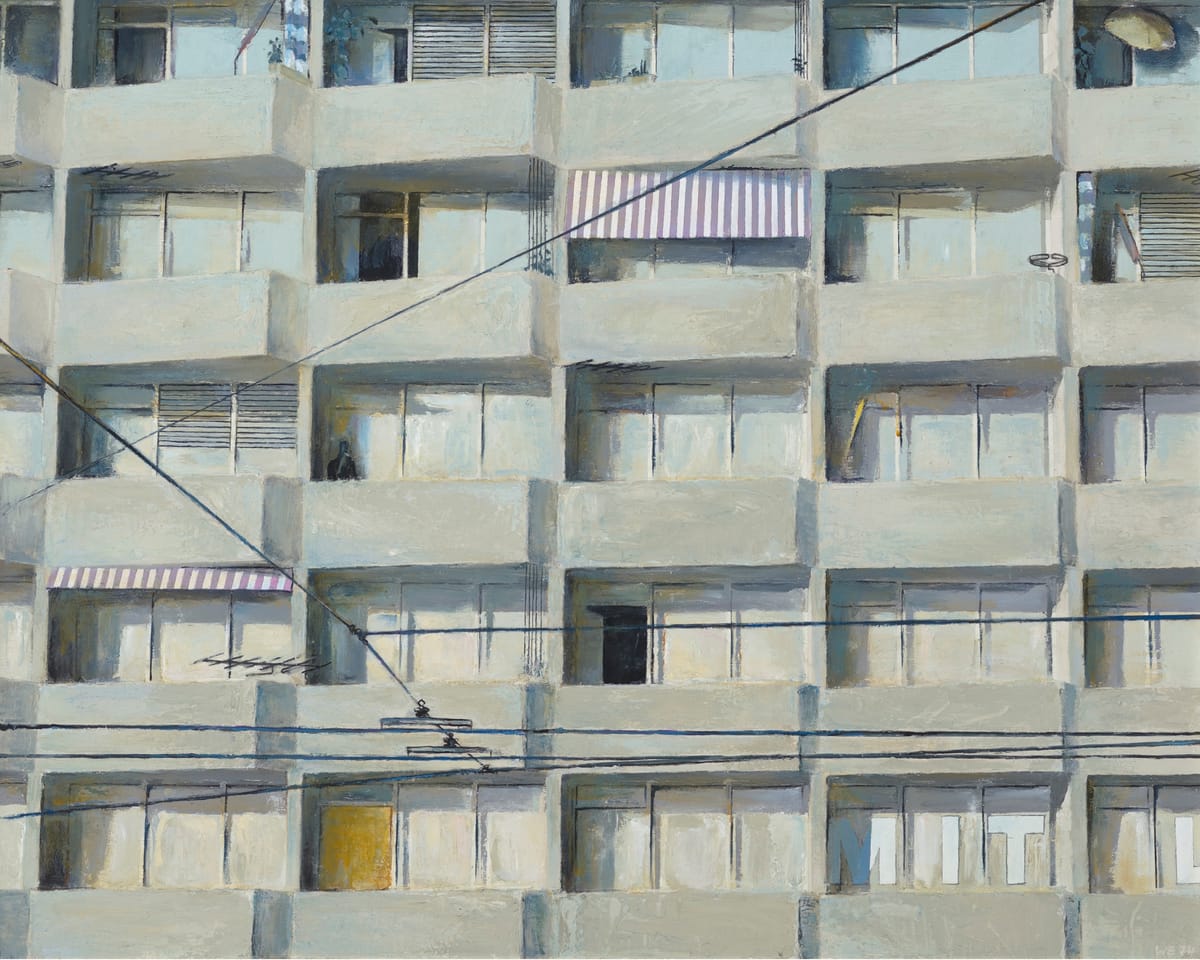
Art Exhibition Explores Legacy of Prefab Housing in East Germany
The cultural and political influence of East Germany’s high-rise prefabricated apartment blocks—a defining feature of one of history’s largest social housing initiatives—is the focus of a new art exhibition. The show also subtly addresses the unresolved challenges of today’s housing shortages.
Wohnkomplex: Art and Life in Prefabs examines the collective experience of millions of East Germans while serving as a stark reminder that the struggle for adequate housing persists, regardless of political systems.
The exhibition features 50 works by 22 artists, many of whom lived in or near *plattenbau* estates—named for the concrete panels used in their construction—capturing how these mass-produced developments shaped residents’ lives and broader society. These buildings were central to the German Democratic Republic’s social policies and played a key role in its industrial identity.
“The ‘slab’ represents not just a living space but also a memory, a symbol of societal ideals, and a backdrop for change,” says Kito Nedo, curator of the exhibition at Potsdam’s Minsk gallery, itself a significant example of Ostmodern architecture that narrowly avoided demolition after public opposition.
“One pressing question, especially relevant in Germany and other European cities, is how to provide affordable, quality housing,” Nedo adds. “The GDR’s approach was a major historical effort to solve this issue—one that policymakers still grapple with today.”
From the 1970s onward, these standardized concrete apartments were highly sought after, offering modern amenities such as indoor bathrooms, open-plan kitchens, reliable heating, and nearby facilities like schools, stores, and health centers. Green spaces were also planned, though not always delivered promptly.
Sonya Schönberger’s silicone sculptures document the rapid construction of these buildings, preserving traces of residents’ footprints in the still-wet concrete of Berlin’s Baltic Sea Quarter, built between 1984 and 1988.
The estates’ design—with childcare, workplaces, and public services nearby—was considered progressive, aiming to support gender equality as outlined in the GDR’s constitution. Yet, as depicted in Kurt Dornis’s painting *Second Shift*, which shows a woman working in the kitchen, domestic responsibilities often still fell disproportionately on women after their formal workday ended.
Read next
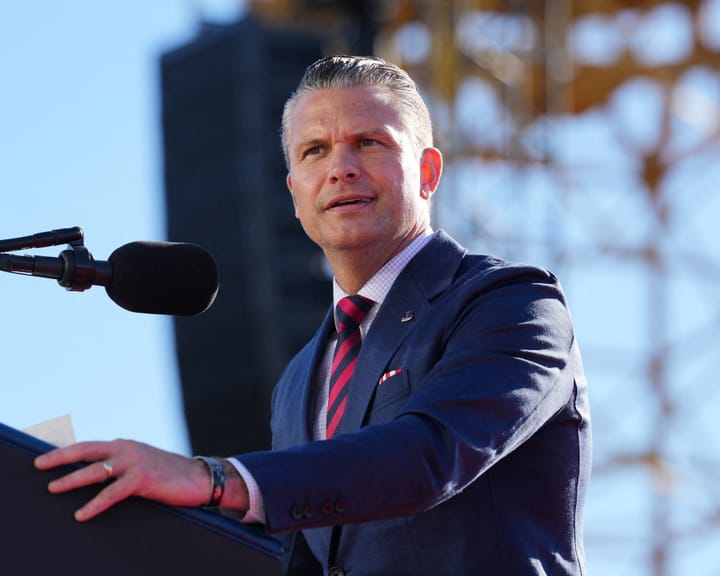
Pete Hegseth's proposal to stream executions aligns US with controversial nations.
If the US defense secretary, Pete Hegseth, proceeds with plans to livestream the execution of a soldier radicalized to extremist Islam, who killed 13 people at a military base in Texas, the US would join a group of lesser powers and rogue actors known for public executions in recent years.
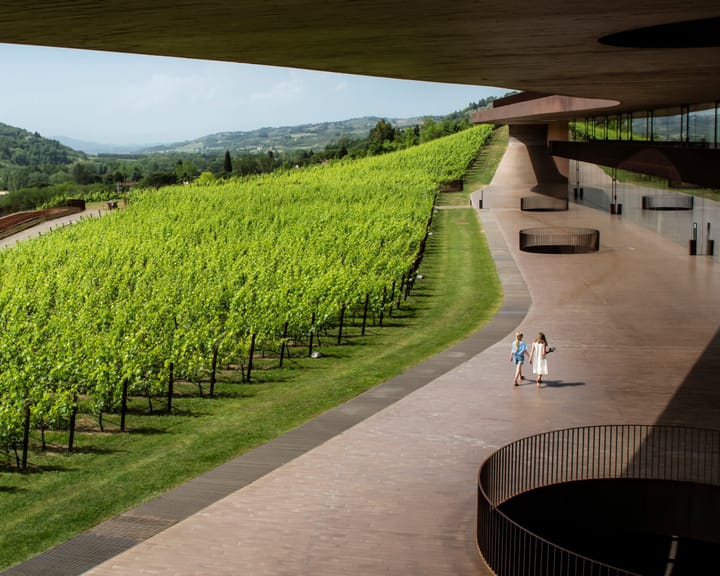
Criminals steal €5m from renowned Italian winery
In a significant theft in Tuscany, thousands of wine bottles valued at €5 million have been stolen from the renowned Marchesi Antinori winery, marking what is considered the largest heist of its kind in Italy. A group of at least seven masked individuals breached the winery's cellar in
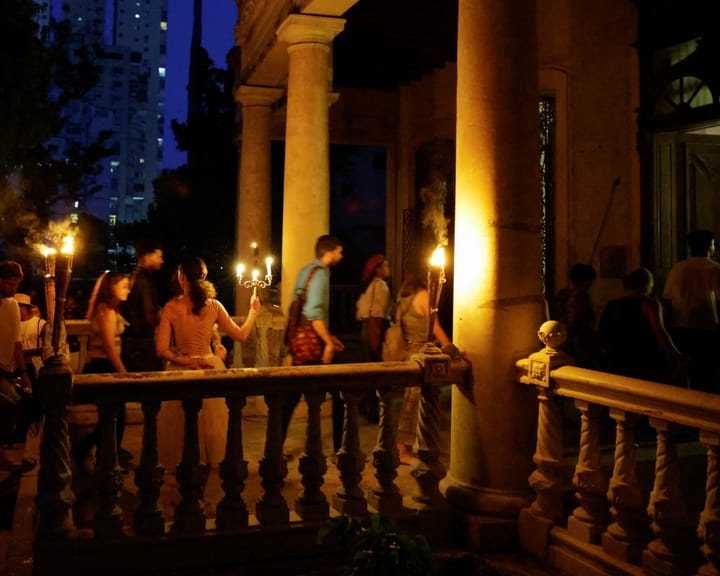
Illuminated Theater in Havana – A Photographic Journey
Widespread blackouts have become more frequent in Cuba since the US imposed energy sanctions in January. These outages often last longer than 24 hours as the aging electrical grid struggles to cope. The Impulso theatre group has been forced to adapt, as the power cuts present significant challenges for the