
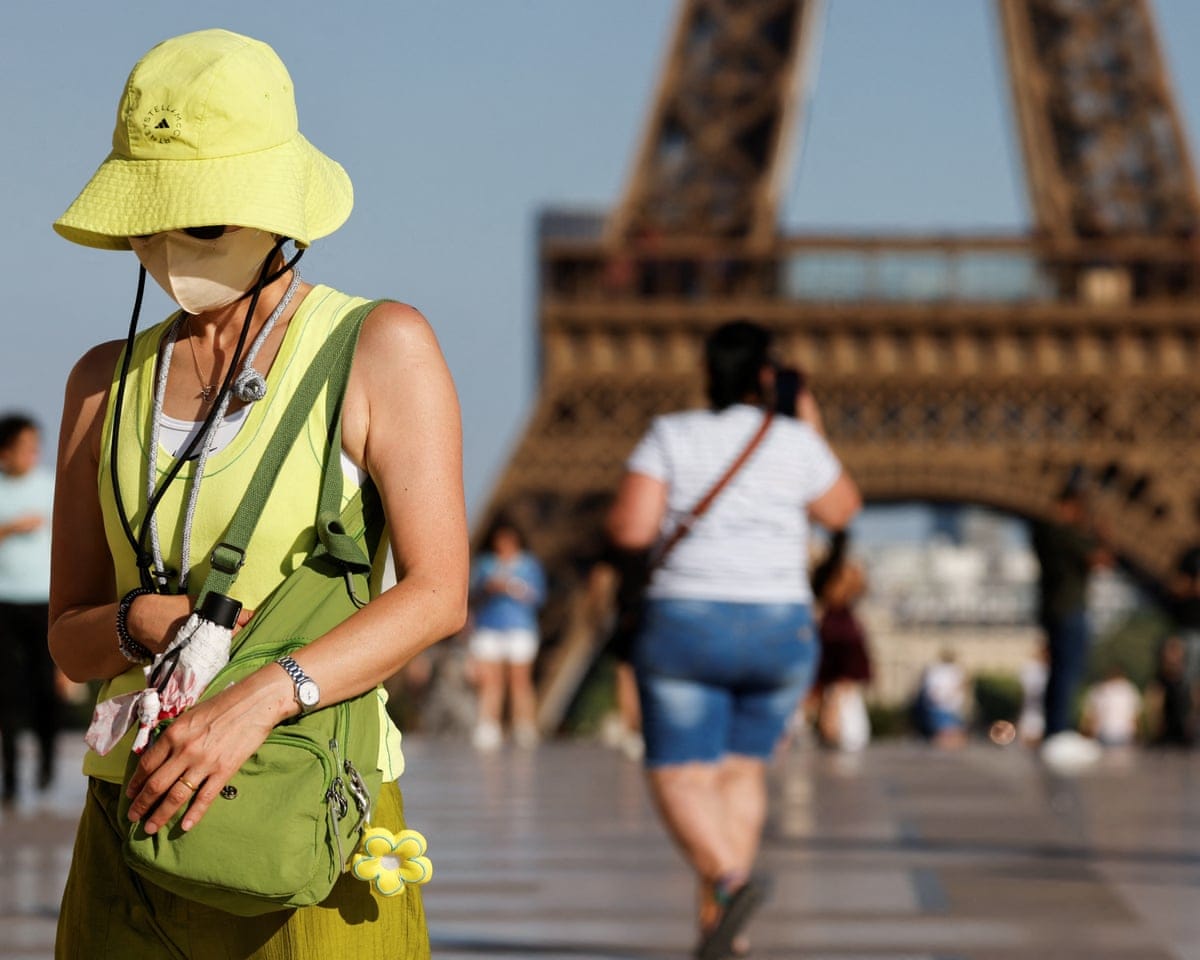
As temperatures soared across Germany, meteorologists warned that record highs could be surpassed. The German weather service, DWD, predicted peaks of up to 40°C (104°F) in some regions, urging residents to stay hydrated and avoid prolonged sun exposure.
In France, the debate over air conditioning intensified. Marine Le Pen, leader of the far-right National Rally, claimed that "air conditioning saves lives" and proposed a national plan to expand its use if elected president in 2027. Her party ally, Éric Ciotti, introduced a bill mandating cooling systems in essential public spaces.
Critics dismissed the proposals as shortsighted. Environment Minister Agnès Pannier-Runacher stated that while protecting vulnerable populations from extreme heat was necessary, widespread air conditioning would worsen outdoor temperatures. Green leader Marine Tondelier accused Le Pen of reducing climate policy to "installing air conditioners," emphasizing the need for urban green spaces and better insulation in buildings.
Spain faced deadly consequences of the heatwave. Two agricultural workers were found dead near a wildfire in Catalonia, where flames consumed 6,500 hectares and forced 18,000 residents to stay indoors. Regional leader Salvador Illa warned of increasingly unpredictable blazes: "These fires evolve in terrifying ways."
Separately, a child died after being left in a car in Tarragona, with heatstroke suspected as the cause. France reported two confirmed heat-related deaths, along with 300 hospitalizations.
In Italy, authorities investigated the death of a 70-year-old truck driver in his vehicle, potentially marking the country’s first fatal case linked to the
Read next

Bolivia Probes Ex-President Evo Morales for Suspected Involvement in 2009 Killings
The Bolivian attorney general has initiated an investigation into former leftist president Evo Morales, citing allegations of his involvement in the murder and torture of European nationals in 2009.
In 2009, police conducted a raid on a Santa Cruz hotel, resulting in the deaths of Eduardo Rózsa Flores, a Bolivian-
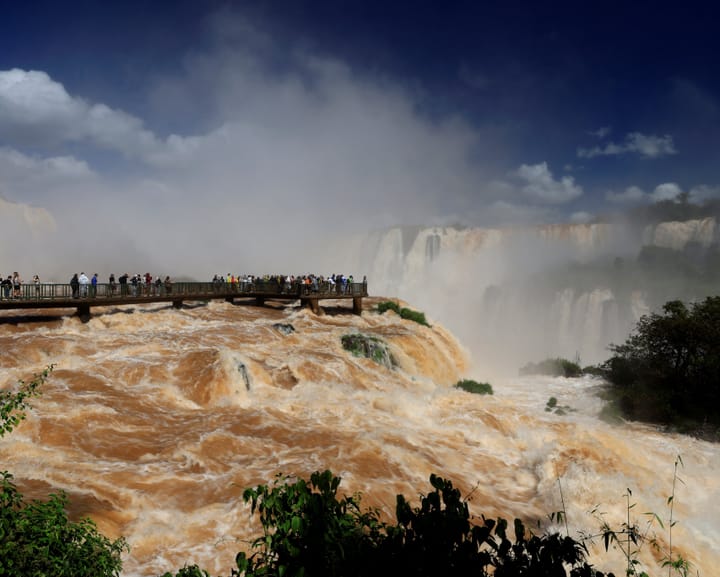
Argentina Closes Iguazu Falls Temporarily Due to El Niño-Induced Water Surge
Heavy rainfall driven by a potent El Niño weather pattern temporarily led Argentinian authorities to close tourist access to the renowned Iguazu Falls. The closure occurred due to concerns that rising water levels might cause the river to overflow its banks.
On Monday, national park officials implemented this precautionary measure
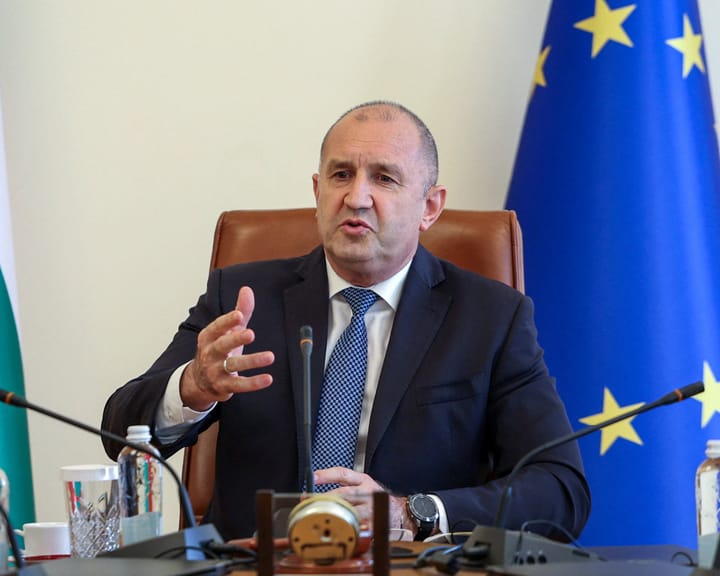
Mysterious Drones Strike Two Vessels Near Bulgarian Coast – Europe Live
Morning Update: Two Ships Targeted by Drones Off Bulgarian Coast
This morning, two ships in the Black Sea near Bulgaria were struck by drones of unknown origin. The attack led to the sinking of one vessel and initiated emergency rescue operations, as reported by Bulgarian Prime Minister Rumen Radev. Rescue