
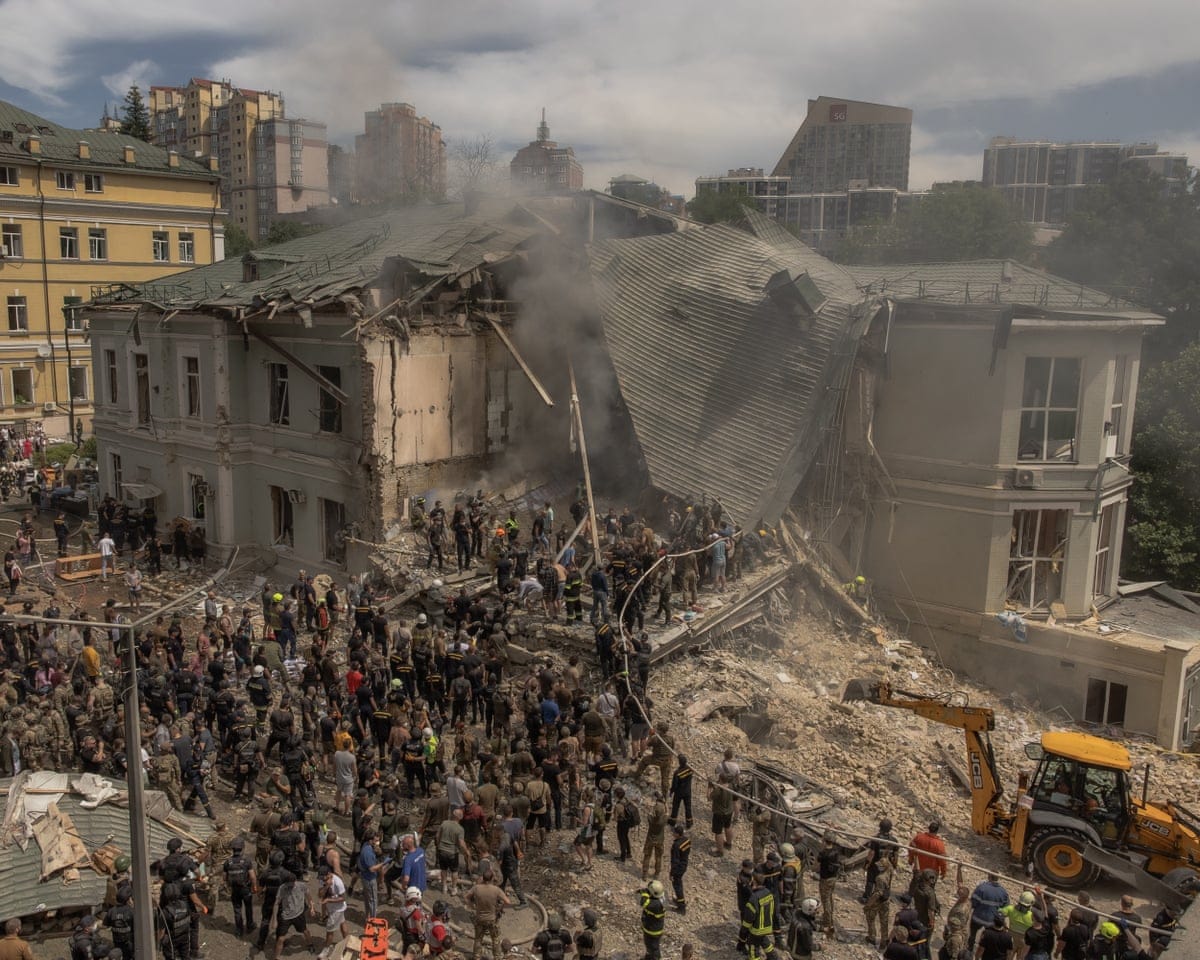
Russia has engaged in severe and widespread violations of human rights since its intervention in Ukraine began in 2014, including unlawful killings, sexual assault, and forced labor, according to a ruling by the European Court of Human Rights.
The court’s grand chamber unanimously determined that between May 11, 2014, and September 16, 2022—when Russia withdrew from the European Convention on Human Rights—its actions amounted to "blatantly unlawful conduct ... on a massive scale."
In 2014, armed factions backed by Russia entered Ukraine’s Donetsk and Luhansk regions, and on February 24, 2022, Russia launched a full-scale military offensive against Ukraine.
In its ruling, made public on Wednesday, the court cited extensive and systematic instances of sexual violence alongside torture, such as beatings, strangulation, and electric shocks. Civilians and prisoners of war endured mock executions, mutilation, and electric shocks directed at sensitive body areas, the court stated.
The court found multiple breaches of the European Convention, many persisting for over eight years, and declared: “These actions aim to erode the foundational principles of democracy upheld by the Council of Europe and its member states, through the destruction of personal freedoms, the repression of political rights, and a blatant rejection of legal order.
"In no previous case before the court has there been such widespread condemnation of a state’s open defiance of the post-World War II international legal framework."
Ukraine welcomed the decision as "groundbreaking and unparalleled," calling it a "clear triumph." Russia did not engage in the case and dismissed the ruling.
Violations identified by the court included:
- Indiscriminate military assaults.
- Summary killings of civilians and Ukrainian soldiers.
- Torture, including the use of rape as a wartime tactic.
- Arbitrary detention of civilians.
- Unlawful forced relocation of civilians.
- Persecution of religious groups not connected to the historically Moscow-supported Ukrainian Orthodox Church.
- Threats and attacks against journalists, along with legislation criminalizing pro-Ukraine information.
- Violent suppression of protests in occupied areas by Russian forces.
- Property destruction, theft, and unlawful seizure.
- Suppression of Ukrainian language education and indoctrination of schoolchildren.
- Deportation and, in many cases, forced adoption of Ukrainian children in Russia.
The court stated: “The systematic use of sexual violence and rape by Russian forces in occupied territories is particularly reprehensible. The evidence reveals the extreme brutality inflicted on women who were assaulted.”
Read next
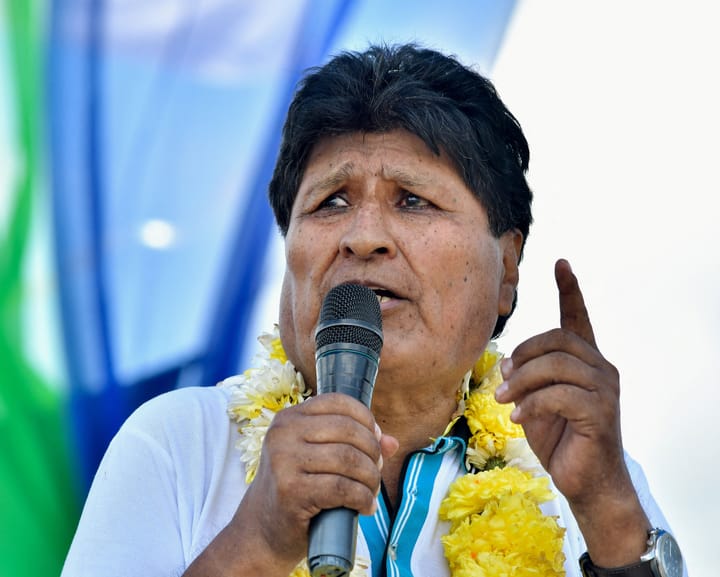
Bolivia Probes Ex-President Evo Morales for Suspected Involvement in 2009 Killings
The Bolivian attorney general has initiated an investigation into former leftist president Evo Morales, citing allegations of his involvement in the murder and torture of European nationals in 2009.
In 2009, police conducted a raid on a Santa Cruz hotel, resulting in the deaths of Eduardo Rózsa Flores, a Bolivian-

Argentina Closes Iguazu Falls Temporarily Due to El Niño-Induced Water Surge
Heavy rainfall driven by a potent El Niño weather pattern temporarily led Argentinian authorities to close tourist access to the renowned Iguazu Falls. The closure occurred due to concerns that rising water levels might cause the river to overflow its banks.
On Monday, national park officials implemented this precautionary measure
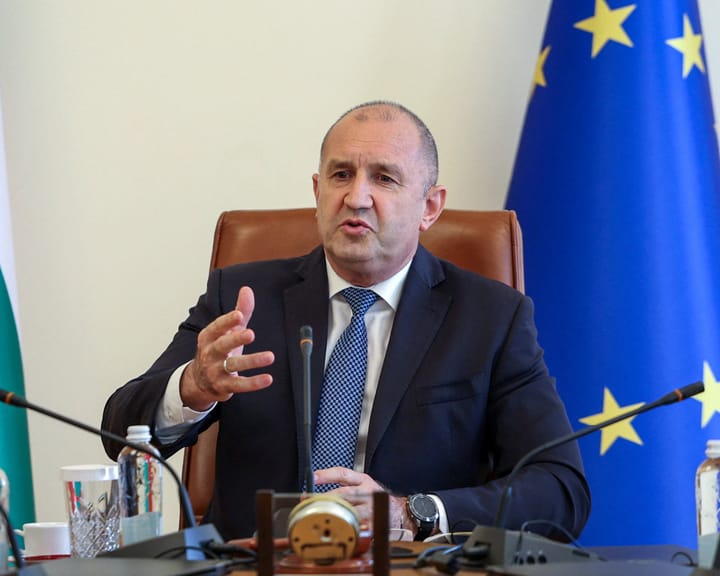
Mysterious Drones Strike Two Vessels Near Bulgarian Coast – Europe Live
Morning Update: Two Ships Targeted by Drones Off Bulgarian Coast
This morning, two ships in the Black Sea near Bulgaria were struck by drones of unknown origin. The attack led to the sinking of one vessel and initiated emergency rescue operations, as reported by Bulgarian Prime Minister Rumen Radev. Rescue