
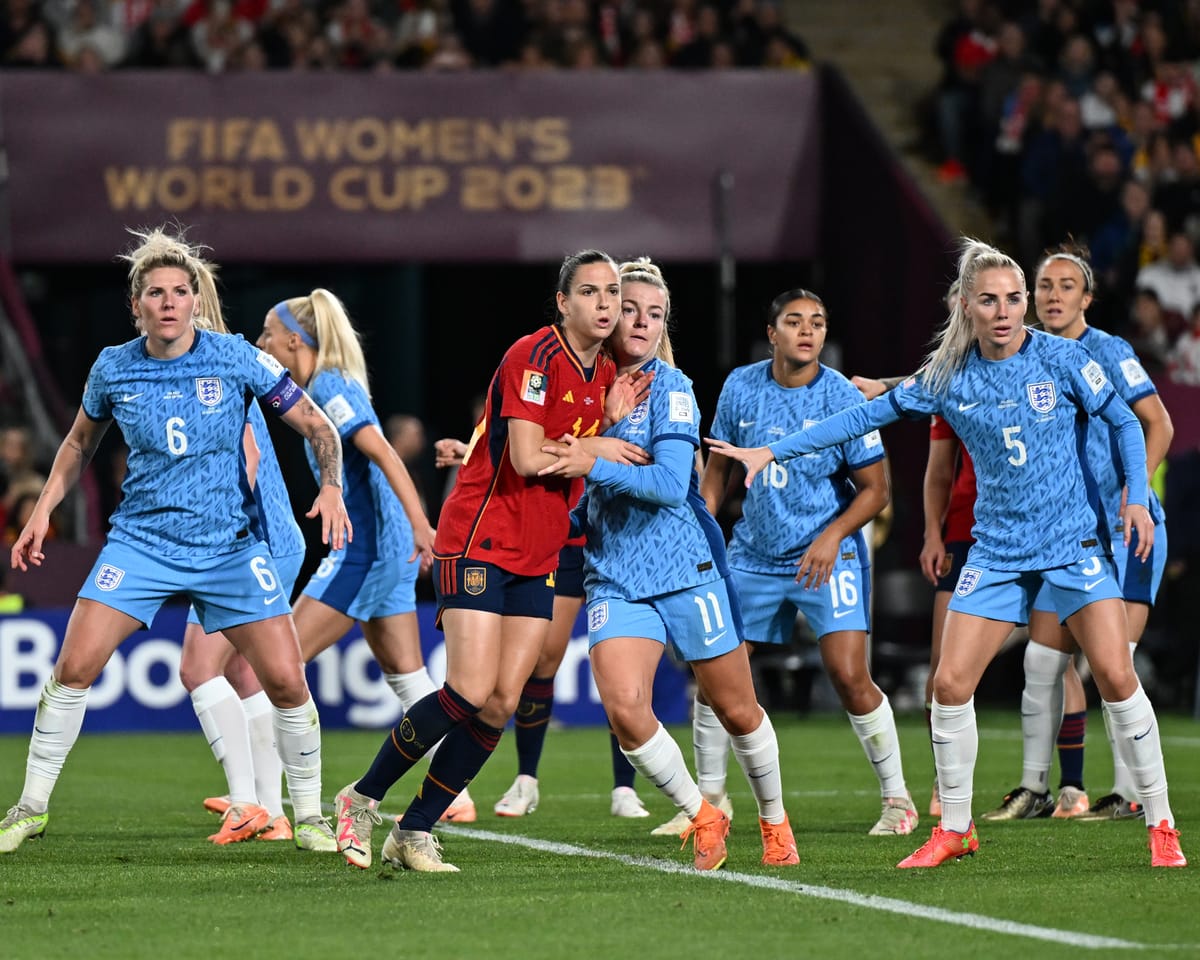
There is little surprise that England and Spain will face each other in the Euro 2025 final on Sunday. The matchup almost seemed inevitable. Their paths have become closely tied, and their success has reshaped the traditional hierarchy of women’s football.
England’s rise came slightly earlier than Spain’s, but the parallels are evident. While the Lionesses boast deeper historical success—they reached the European Championship final in 1984 and 2009 and have consistently been among the top four in recent tournaments—their achievements in the professional era align closely. They each secured their first major trophies within a year of one another—England in 2022, Spain in 2023—and both have since demonstrated the depth to sustain their success, despite growing competition elsewhere.
Their last major tournament encounter was two years ago in the 2023 World Cup final, a defining moment for both nations. Spain emerged victorious that day, proving themselves the stronger side in Sydney. Their midfield control and tactical superiority allowed them to exploit England’s defensive gaps, with Olga Carmona’s decisive goal highlighting their precision.
Yet deeper analysis suggests the gap was narrower than it seemed. Spain dominated possession and created more chances but only managed two more shots on target. This reinforced the idea that, despite stylistic differences, the two teams remain closely matched in critical moments.
Both squads have evolved since that meeting. Spanish football faced upheaval after the controversy involving former federation president Luis Rubiales, whose actions overshadowed their triumph and pushed long-demanded changes. Progress has been made, but achieving full equality domestically remains an ongoing challenge.
Under Montse Tomé, Spain has refined their technical approach. With players like Aitana Bonmatí, Alexia Putellas, and Patri Guijarro, they hold a midfield capable of dismantling defenses. The inclusion of Esther González as the starting striker has added a direct element previously missing from their game. Their precision in long-range passing and set-pieces makes them a constant danger.
England, too, has evolved. With a deeper squad and adaptability in formations, they have countered past weaknesses, particularly against high-pressing opponents. Their experience in major tournaments could prove vital if the match reaches extra time or penalties.
Sunday’s final is more than a game—it is another chapter between two teams that continue to define the modern era. The outcome may hinge on a single moment, but their rivalry promises to endure for years to come.
Read next
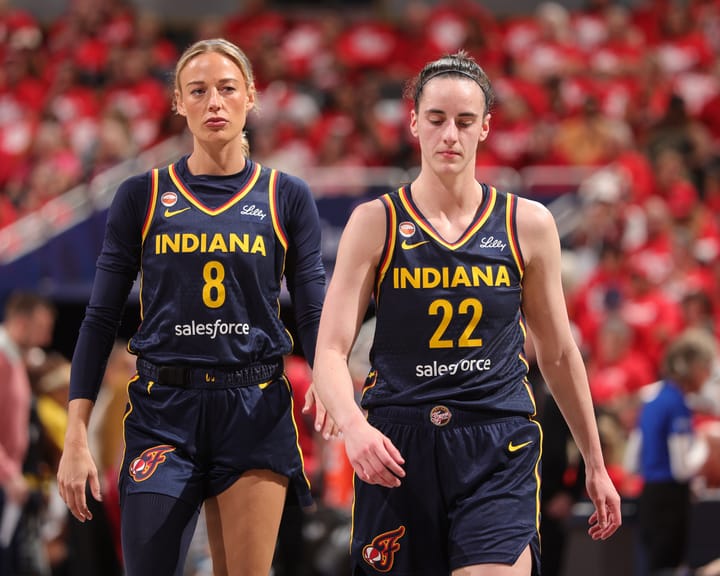
Indiana Fever and the Magasphere: A Risky Route to Fame for a WNBA Team
The Indiana Fever's season has concluded, marked by both its on-court performance and off-court controversies. Despite being eliminated by the Las Vegas Aces for the second consecutive year, the team has drawn significant attention, becoming a focal point in the WNBA this season.
The Fever'

Bottas Shares Wild Cycling Adventures: Lizard Leaps and Python Dodges on Epic Journey
Valtteri Bottas, the Formula 1 driver for Cadillac, recently undertook a challenging 418km bicycle journey from Malaysia to Singapore, an experience he vividly described. This adventure included navigating through the jungle at night, encountering snakes, and dealing with various other obstacles. Bottas, 37, is passionate about cycling and took on

NBA Europe Unveils $10bn Strategy Attracting Football Clubs to Join
The launch of NBA Europe has been postponed by a year until 2028. The league will include 16 teams: 12 permanent franchises and four temporary ones selected through a pre-qualifying competition next year. The NBA plans to invest approximately $10 billion over the next decade, marking it as one