
The EU should establish reserves of food, medicine, power generators, and raw materials to enhance readiness for potential military conflicts, pandemics, or natural disasters, according to a statement from the European Commission.
In its first strategy on stockpiling, the Commission suggested on Wednesday that member states consider storing emergency supplies such as water purification products, equipment to fix undersea cables, drones, and mobile bridges for use in crises.
Earlier this year, citizens were advised to keep enough food, water, and essentials for 72 hours in case of a military attack, natural disaster, power outage, or major industrial accident. As part of broader preparedness efforts, officials are determining which supplies governments should store and how to improve readiness for health emergencies, including pandemics, antimicrobial resistance, and chemical, nuclear, or biological threats.
The strategy draws on lessons from the Covid crisis, when EU countries competed for medical supplies, creating shortages for those most vulnerable. It also takes inspiration from a few member states, including Finland, Estonia, and the Czech Republic, which already maintain strategic reserves.
Under the plan, the EU would maintain updated lists of essential goods suited to different crises. By 2026, a critical raw materials center will be established to facilitate joint purchases on behalf of businesses and manage stockpiles. By the same year, a list of priority medicines and medical technologies for stockpiling or joint procurement will be finalized.
Additionally, a loan program backed by the European Investment Bank to support small firms and startups developing new medicines and medical technologies will see its funding increase to €200 million by 2027.
The bloc is also advancing a wastewater monitoring system to serve as an early warning for infectious diseases before symptoms emerge. During the pandemic, wastewater analysis proved an efficient method for detecting health risks.
The EU already operates firefighting aircraft, helicopters, medical evacuation planes, and field hospitals. As wildfires intensify—with fires still burning near Marseille—the Commission stated that additional helicopters or light aircraft may be needed to safeguard newly at-risk regions.
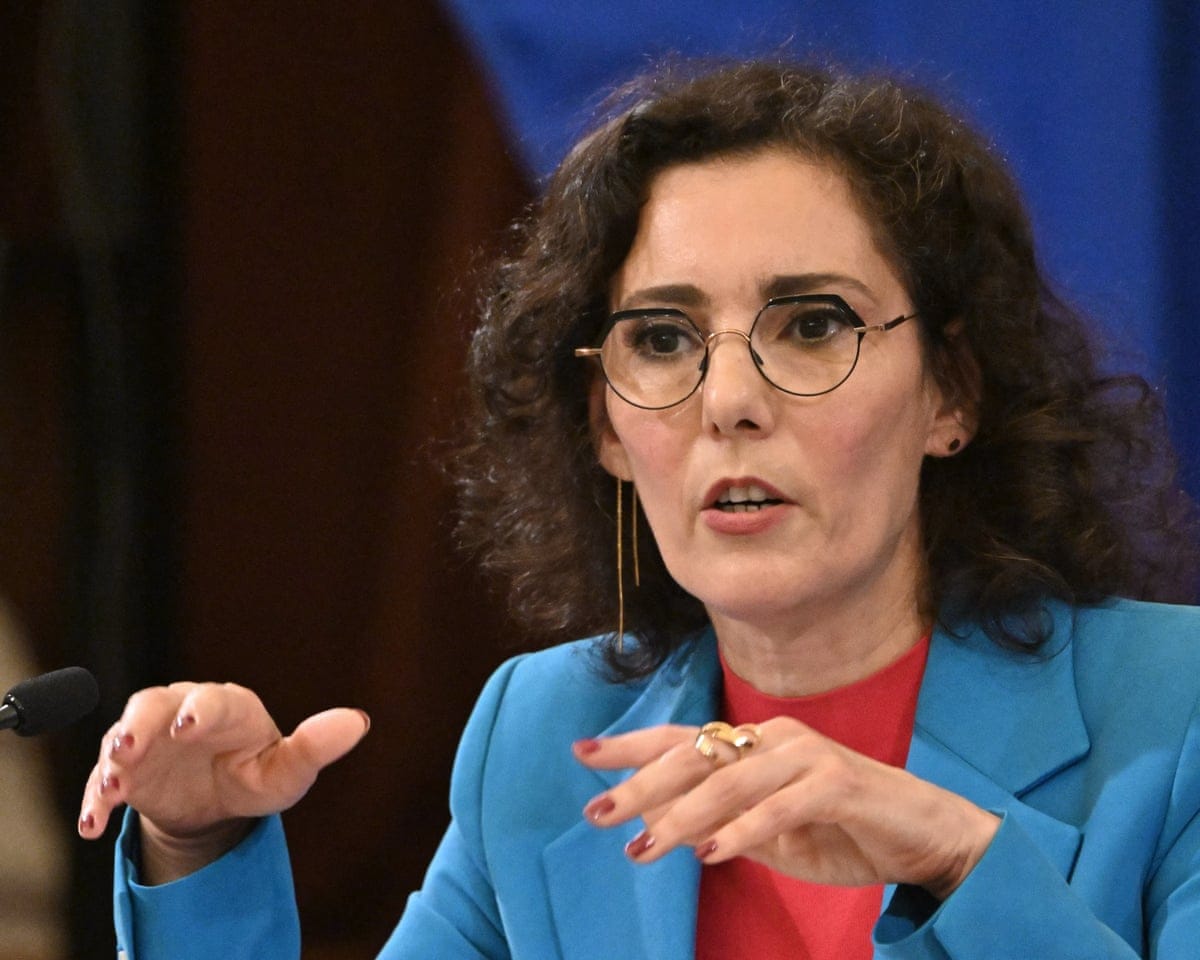
Hadja Lahbib, the EU commissioner for crisis management, said, "The threats we face—hybrid attacks, power failures, extreme weather, and disease outbreaks—are no longer hypothetical. That’s why preparedness must be central to our defense."
This strategy follows remarks by Danish Prime Minister Mette Frederiksen, who reiterated the need for the EU to strengthen its self-defense capabilities.
Read next
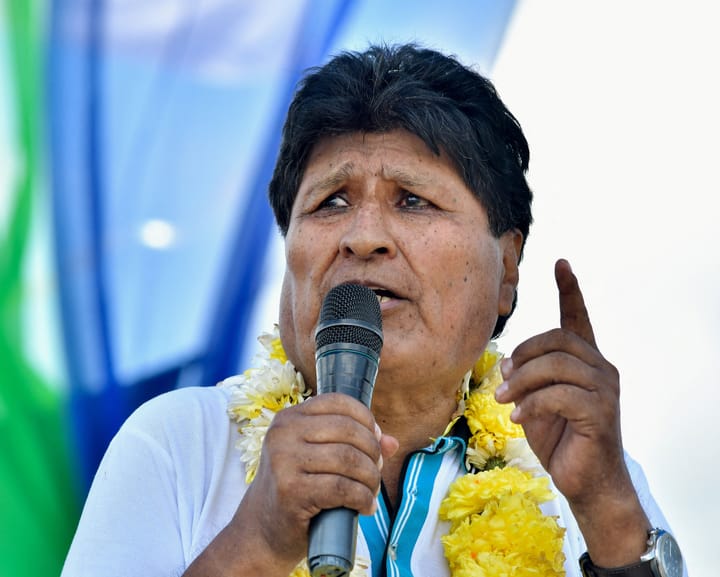
Bolivia Probes Ex-President Evo Morales for Suspected Involvement in 2009 Killings
The Bolivian attorney general has initiated an investigation into former leftist president Evo Morales, citing allegations of his involvement in the murder and torture of European nationals in 2009.
In 2009, police conducted a raid on a Santa Cruz hotel, resulting in the deaths of Eduardo Rózsa Flores, a Bolivian-
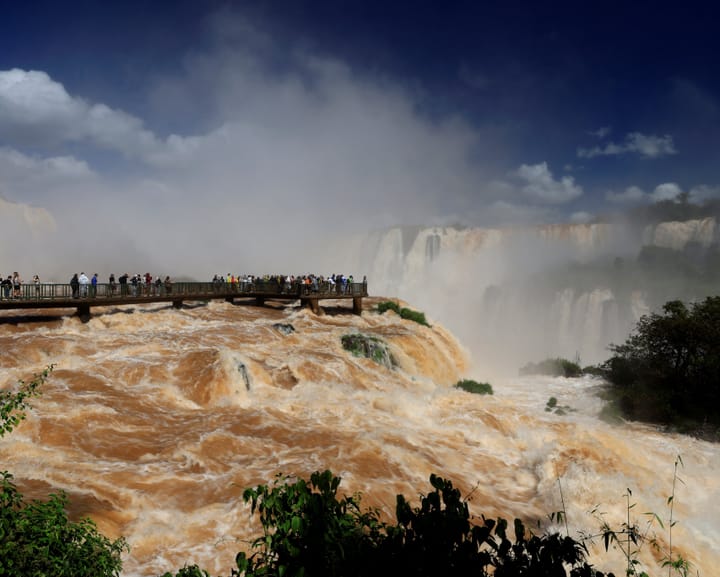
Argentina Closes Iguazu Falls Temporarily Due to El Niño-Induced Water Surge
Heavy rainfall driven by a potent El Niño weather pattern temporarily led Argentinian authorities to close tourist access to the renowned Iguazu Falls. The closure occurred due to concerns that rising water levels might cause the river to overflow its banks.
On Monday, national park officials implemented this precautionary measure
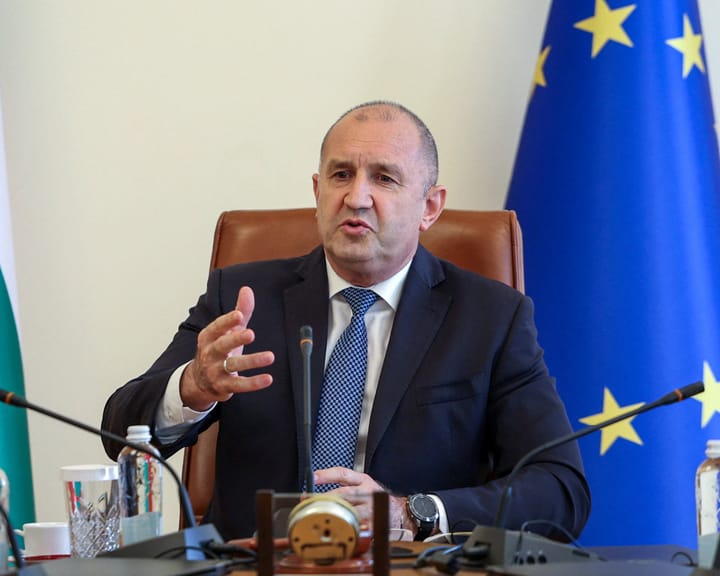
Mysterious Drones Strike Two Vessels Near Bulgarian Coast – Europe Live
Morning Update: Two Ships Targeted by Drones Off Bulgarian Coast
This morning, two ships in the Black Sea near Bulgaria were struck by drones of unknown origin. The attack led to the sinking of one vessel and initiated emergency rescue operations, as reported by Bulgarian Prime Minister Rumen Radev. Rescue