
EU and UK Tighten Restrictions on Russian Oil to Curtail War Funding
The EU and the UK have agreed to further reduce the price limit on Russian oil in an effort to weaken the Kremlin’s ability to sustain its military actions in Ukraine.
The EU has lowered the cap on seaborne oil exports from $60 to $47.60 per barrel, described by its foreign policy chief, Kaja Kallas, as part of one of the strongest measures taken against Russia so far.
The new restrictions also affect Russian pipelines, banks, and technology exports. Kallas stated, “We are increasing pressure on Russia’s military sector, financial institutions aiding sanctions evasion, and cutting off access to technology used in drone production.”
The EU confirmed that the adjusted cap will remain 15% below the average market price for Urals crude, Russia’s primary oil blend. EU nations previously purchased an estimated €21.9bn worth of Russian oil and gas in 2024.
The updated cap will take effect on 3 September, prohibiting companies—including insurance providers and shipping firms within the EU and UK—from supporting sales above the limit.
EU ministers approved the new sanctions in Brussels after Slovakia withdrew its opposition. Slovakia had delayed the measures due to concerns over the EU’s plans to reduce reliance on Russian fossil fuels.
Shortly after the EU’s decision, the UK announced it would join the lower price cap. Chancellor Rachel Reeves, attending a G20 finance ministers' meeting in South Africa, stated, “The UK and its EU partners are intensifying efforts to restrict Russia’s financial resources for its unlawful conflict in Ukraine.”
She added, “Reducing the oil price cap undermines Russia’s revenue streams and increases pressure on Putin while maintaining energy market stability.”
The UK government said it is further disrupting Russia’s oil exports and has already imposed sanctions on over 250 vessels involved in transporting Russian energy supplies.
The initial price cap was established in December 2022 by the G7, though the Trump administration declined to participate.
Additionally, the EU banned investment in the Nord Stream 1 and 2 gas pipelines. Nord Stream 1 was damaged in September 2022 by underwater explosions, with no party claiming responsibility. Nord Stream 2 was never operational. Russia has shown interest in reviving these projects, but the sanctions aim to discourage any renewed European investment.
New EU measures also target Russia’s shadow fleet—poorly maintained tankers used to bypass Western sanctions by delivering oil to countries like India. Following the initial price cap, European shipping firms sold numerous older vessels to intermediaries.
Read next
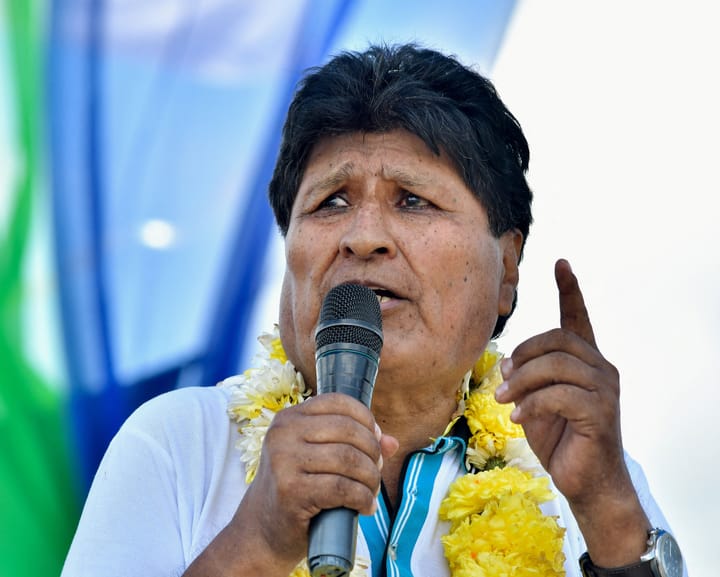
Bolivia Probes Ex-President Evo Morales for Suspected Involvement in 2009 Killings
The Bolivian attorney general has initiated an investigation into former leftist president Evo Morales, citing allegations of his involvement in the murder and torture of European nationals in 2009.
In 2009, police conducted a raid on a Santa Cruz hotel, resulting in the deaths of Eduardo Rózsa Flores, a Bolivian-

Argentina Closes Iguazu Falls Temporarily Due to El Niño-Induced Water Surge
Heavy rainfall driven by a potent El Niño weather pattern temporarily led Argentinian authorities to close tourist access to the renowned Iguazu Falls. The closure occurred due to concerns that rising water levels might cause the river to overflow its banks.
On Monday, national park officials implemented this precautionary measure
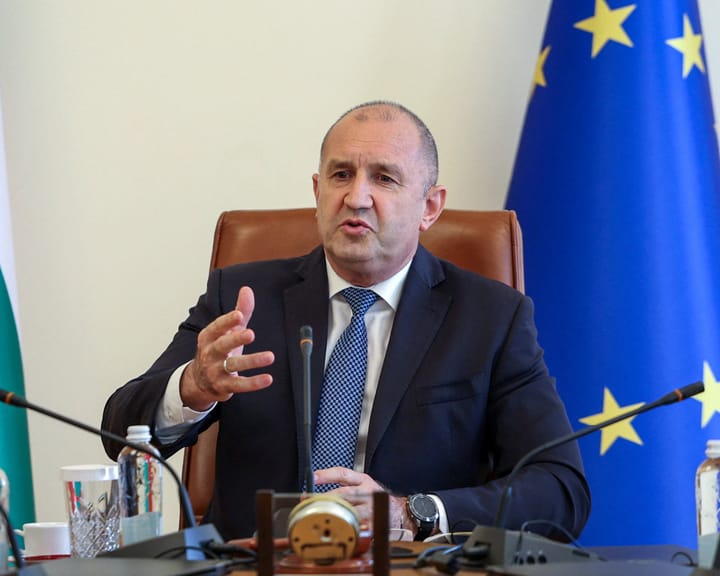
Mysterious Drones Strike Two Vessels Near Bulgarian Coast – Europe Live
Morning Update: Two Ships Targeted by Drones Off Bulgarian Coast
This morning, two ships in the Black Sea near Bulgaria were struck by drones of unknown origin. The attack led to the sinking of one vessel and initiated emergency rescue operations, as reported by Bulgarian Prime Minister Rumen Radev. Rescue