
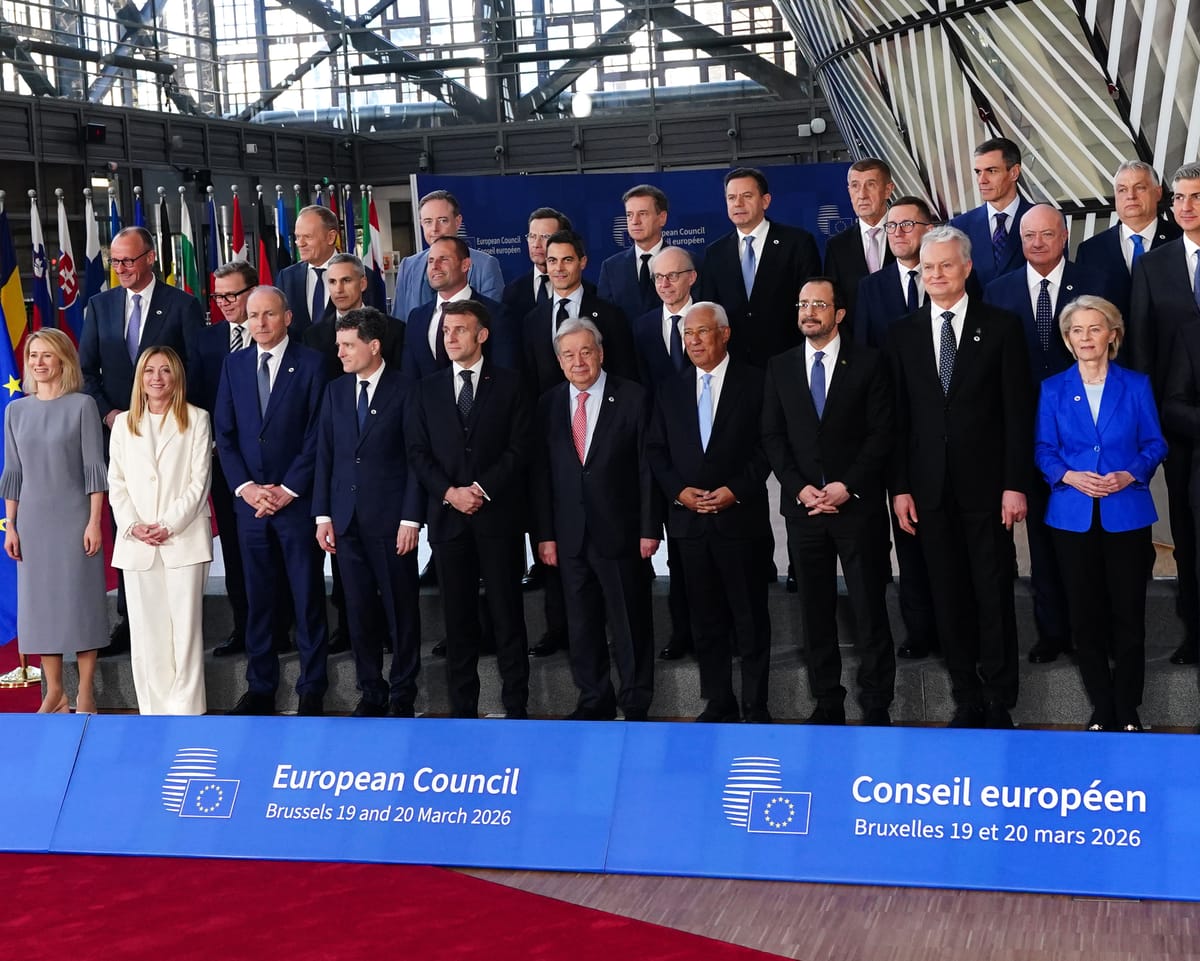
EU officials have vowed to back Cyprus as it seeks “an open and frank discussion” about the future of the British installations on the island, which have become a focus after the latest Middle‑East flare‑up.
In the run‑up to Thursday’s EU summit, Cyprus President Nikos Christodoulides said he wanted “an open and frank discussion with the British government” on the status and outlook of the British bases on the island.
He called the installations “a colonial legacy”, but stopped short of stating whether he wants them removed, noting that Cyprus has “a clear approach” and will not negotiate in public.
“We have more than 10,000 Cypriot citizens inside the British bases; we are responsible for them and, once the situation in the Middle East eases, we will hold an open and frank discussion with the British government,” he added.
The Akrotiri and Dhekelia sites, covering 256 sq km (99 sq mi), remained British sovereign territory when Cyprus gained independence in 1960. The United Kingdom uses them for training and as staging points for regional operations.
As Middle‑East tensions have risen, Cyprus has grown increasingly uneasy that the British presence makes the island a de‑facto target for Iran, a country with a historically strained relationship with the UK.
Those concerns materialised earlier this month when an unmanned attack drone – reported to have been launched by the Iranian‑backed Hezbollah from Lebanon – struck RAF Akrotiri’s runway on 2 March. Two further drones were intercepted heading toward the base the following day.
Following Christodoulides’s appeal, EU leaders on Thursday endorsed wording that offers firm, unequivocal support to member states nearest the Middle East. “The European Council notes Cyprus’s intention to open talks with the UK on the British bases in Cyprus and stands ready to provide assistance as required,” the statement read.
The phrasing marks a win for Cyprus, which holds the EU’s rotating presidency, as the language was absent from earlier drafts.
The Union’s easternmost member, a 20‑minute flight from Lebanon, has felt insufficient backing from Britain.
A Royal Navy destroyer departed Portsmouth for the eastern Mediterranean last week, but critics argued the UK should have deployed a warship to the area once it became clear that a potential Iranian strike was being prepared in late January.
Read next

My final clashwith my Palestinian dad lingers, leaving the past unburied for both of us
The last argument my father andI ever had took place on a May night in 2021, the evening before his first chemotherapy session. At that point in our story I had just become a mother, and he was a year and a half away from dying. To treat his stage‑
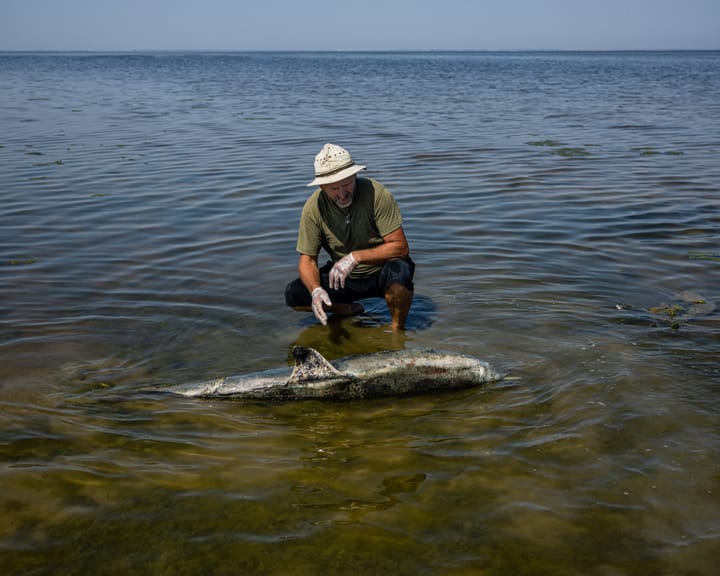
Experts WarnRussia's War Is Pushing Black Sea Dolphins to Breaking Point
Inthe besieged harbours of Odesa, a research vessel rides at anchor, its hull scarred by unseen harm. No one can approach the damage to the Boris Alexander caused by Russian drones and artillery that have struck the port city throughout four years of war in Ukraine; the risk is too

Italy confiscates€20 million in assets tied to embezzlement from Ursula Andress
Italian authorities have confiscated assets worth €20 million (£17.3 million) in Tuscany, comprising real‑estate, vineyards and olive groves, allegedly purchased with funds embezzled from the actress Ursula Andress.
The 90‑year‑old Swiss‑born star lodged a complaint in her home country claiming a “progressive and significant depletion