
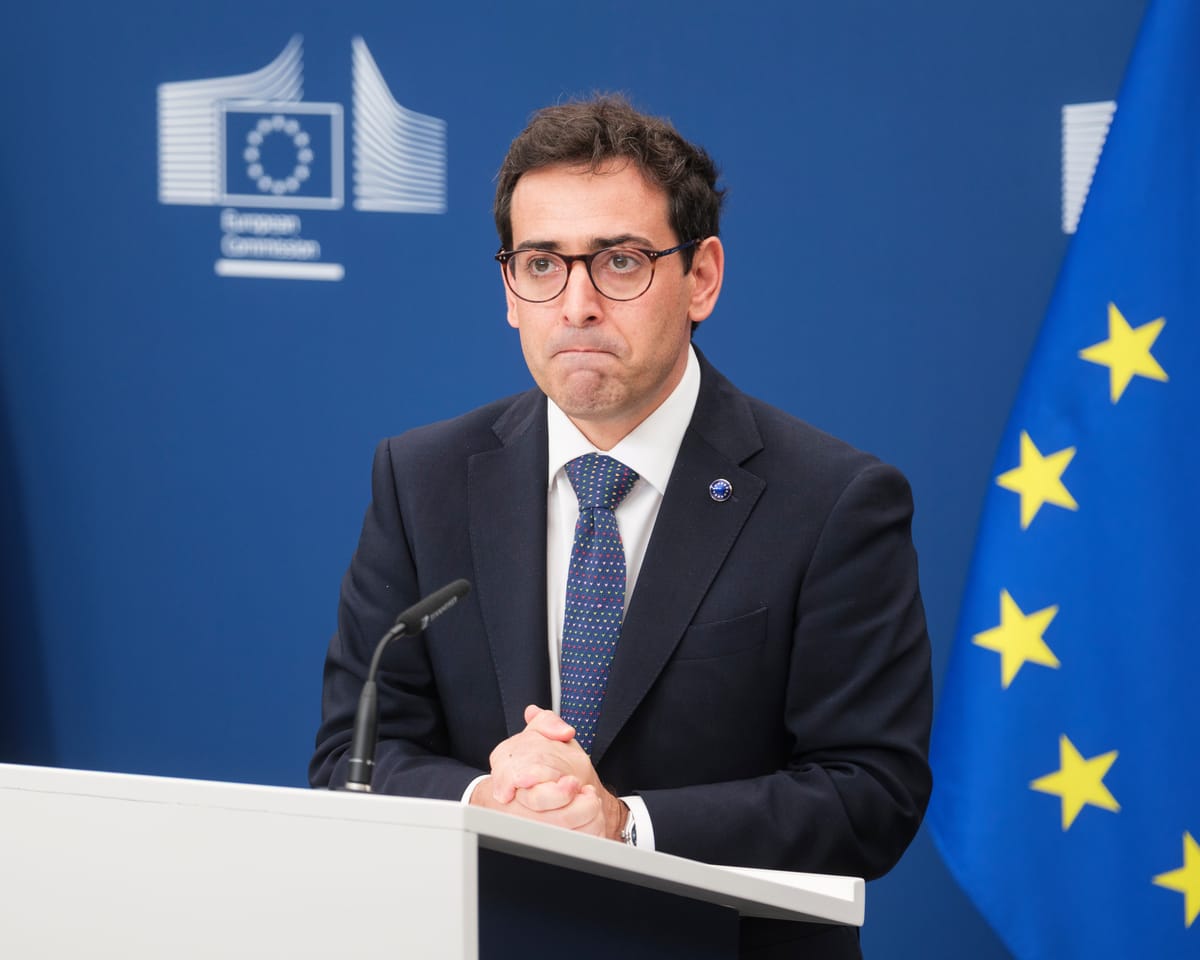
The European Union is taking decisive steps to prevent a looming trade crisis with China, according to industry commissioner Stéphane Séjourné. Amid concerns of escalating trade tensions, the EU has announced support for 46 strategic projects aimed at enhancing the supply of critical raw materials by 2030.
Séjourné warned of potential trade tensions that could disrupt various sectors, emphasizing the need for preparedness. The projects, with a funding cost of €21 billion, focus on producing essential materials like lithium, gallium, and rare earths for industries such as automotive, defense, and renewable energy.
These initiatives coincide with ongoing discussions in Beijing, where EU trade commissioner Maroš Šefčovič is working to address China's significant trade surplus with the EU. Séjourné highlighted the urgency of these efforts, noting both legal targets and geopolitical challenges.
The EU is working to establish a European value chain, with mines opening and factories being constructed. Despite skepticism about meeting 2030 targets to reduce reliance on China, Séjourné pointed to two key projects. The Carester plant in France, expected to be operational by late 2026, will produce dysprosium and terbium, critical for electric vehicles and wind turbines, potentially accounting for 15% of global production of these materials. Additionally, a gallium plant in Greece is operational, and the Keliber lithium plant in Finland has received €150 million from the European Investment Bank.
These 46 projects are part of the Critical Raw Materials Act of 2024, which mandates reducing dependency on foreign sources. The EU aims to emulate Japan, which has significantly cut its reliance on China for rare earths.
While flagship status facilitates accelerated permitting and funding mobilization, some industry critics argue that the scheme is insufficient to meet the EU's ambitious goals of mining 10%, processing 40%, and recycling 25% of its needs by 2030. The recent judicial liquidation of Viridian Lithium, despite its strategic status, underscores these challenges.
Earlier this year, 23 of the 60 strategic projects from 2025 urged the European Commission for more decisive action to unlock projects facing financial and market pressures. Member states have allocated €1 billion for six projects, with the European Investment Bank contributing another €660 million for eight projects.
Read next
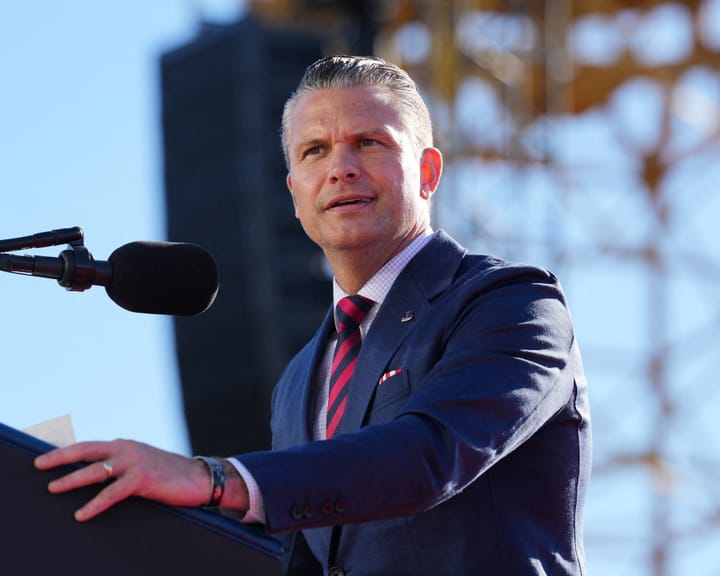
Pete Hegseth's proposal to stream executions aligns US with controversial nations.
If the US defense secretary, Pete Hegseth, proceeds with plans to livestream the execution of a soldier radicalized to extremist Islam, who killed 13 people at a military base in Texas, the US would join a group of lesser powers and rogue actors known for public executions in recent years.
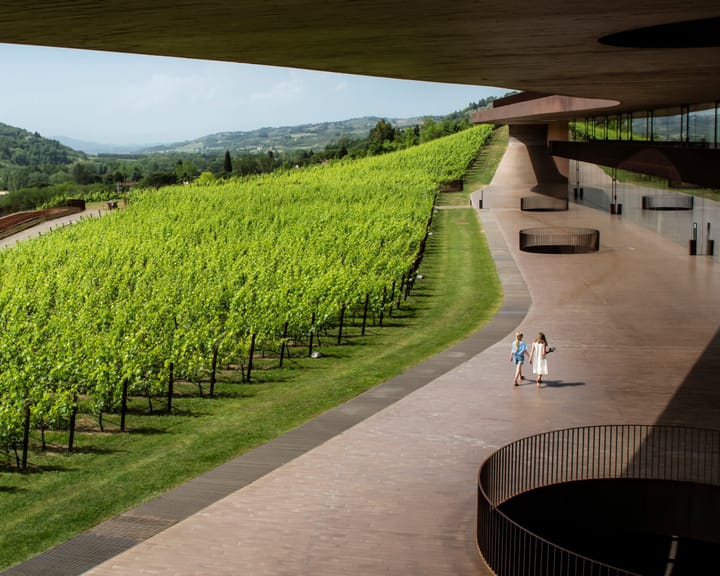
Criminals steal €5m from renowned Italian winery
In a significant theft in Tuscany, thousands of wine bottles valued at €5 million have been stolen from the renowned Marchesi Antinori winery, marking what is considered the largest heist of its kind in Italy. A group of at least seven masked individuals breached the winery's cellar in

Illuminated Theater in Havana – A Photographic Journey
Widespread blackouts have become more frequent in Cuba since the US imposed energy sanctions in January. These outages often last longer than 24 hours as the aging electrical grid struggles to cope. The Impulso theatre group has been forced to adapt, as the power cuts present significant challenges for the