
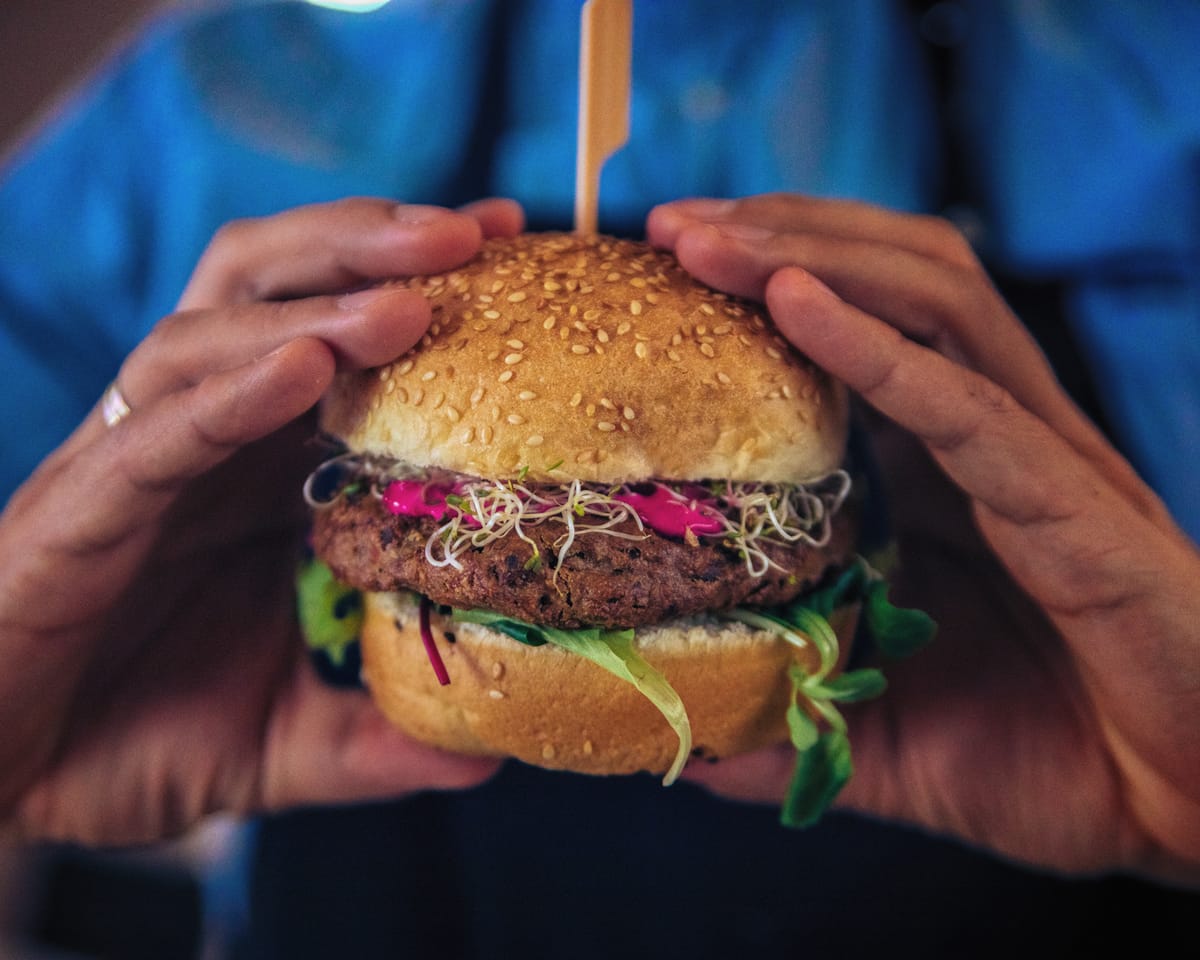
Plant-based alternatives like veggie burgers, tofu steaks, and cauliflower schnitzel could soon disappear from menus if a recent European Parliament vote becomes law.
Lawmakers voted 355 to 247 in favor of reserving terms like “steak,” “burger,” and “sausage” exclusively for meat products, a move long sought by agricultural organizations.
For the proposal to take effect, it must still secure approval from a majority of the EU’s 27 member states, which remains uncertain.
The decision marks a success for French lawmaker Céline Imart, who introduced the amendment to legislation aimed at supporting farmers in the food sector.
Imart, who also operates a grain farm in northwestern France, stated: “Terms like steak, escalope, or sausage should only describe products from livestock, not lab-made or plant-based alternatives. Consumers deserve clarity, and farmers deserve recognition for their work.”
She claims the measure aligns with existing EU regulations that prohibit using dairy-related terms like “milk” and “yogurt” for non-dairy items.
In 2020, the European Parliament rejected a similar ban on meat-related names for plant-based foods, but the political shift after the 2024 elections brought in more lawmakers aligned with farming interests.
Green lawmakers led the opposition, calling the move politically motivated. “Terms like veggie burger or tofu sausage don’t confuse shoppers—only certain politicians,” said Austrian Green representative Thomas Waitz. “This is a distraction. No farmer will benefit financially from this.”
Even within Imart’s political group, opinions were divided. Manfred Weber, leader of the European People’s Party, stated before the vote that the issue was not a priority and that lawmakers had more pressing concerns. “Shoppers aren’t fooled when choosing products in stores,” he noted.
Major German supermarket chains, including Aldi and Lidl, oppose the proposal, arguing that removing familiar labels could hinder consumer choice.
Germany, the largest market for plant-based foods, could face significant impacts if names are changed.
Meanwhile, French farming groups strongly support the measure. “Without proper labeling, consumers could be misled by products that imitate meat,” said Jean-François Guihard of Interbev, France’s livestock association.
France had previously banned terms like “steak” and “sausage” for plant-based foods in 2020, but the European Court of Justice ruled the ban illegal under EU law earlier this year. The original measure restricted 21 meat-related terms, including “ham” and “prime rib.”
Consumer advocates argue the proposal lacks broad backing.
Read next

Russian Assault on Buses Near Ukraine Border Results in 30 Deaths
Thirty people have been killed and eighteen injured following an attack by Russia on two passenger buses in Kramatorsk, near the frontline in eastern Ukraine, according to local authorities.
The Donetsk regional prosecutor's office reported that the death toll from the morning attack on the buses had reached

Ethiopia Conducts Drone Strike on Eritrean Forces in Tigray Region
Eritrean forces reportedly crossed into Ethiopia's Tigray region and faced drone attacks from Ethiopian government forces, raising concerns about the potential for a broader regional conflict between the two neighboring countries.
Military vehicles transporting soldiers crossed the southern border of Eritrea into Tigray on Wednesday, reaching Adigrat, approximately

Israel Advances Film Resembling NAZA Documentary
The Israeli government is promoting an online film project designed to counter the findings of the award-winning documentary NAZA, which details Israel’s mass killings of civilians in Gaza. NAZA, directed by Oscar-winning filmmakers Yuval Abraham and Rachel Szor, is currently in cinemas and will be shown in