
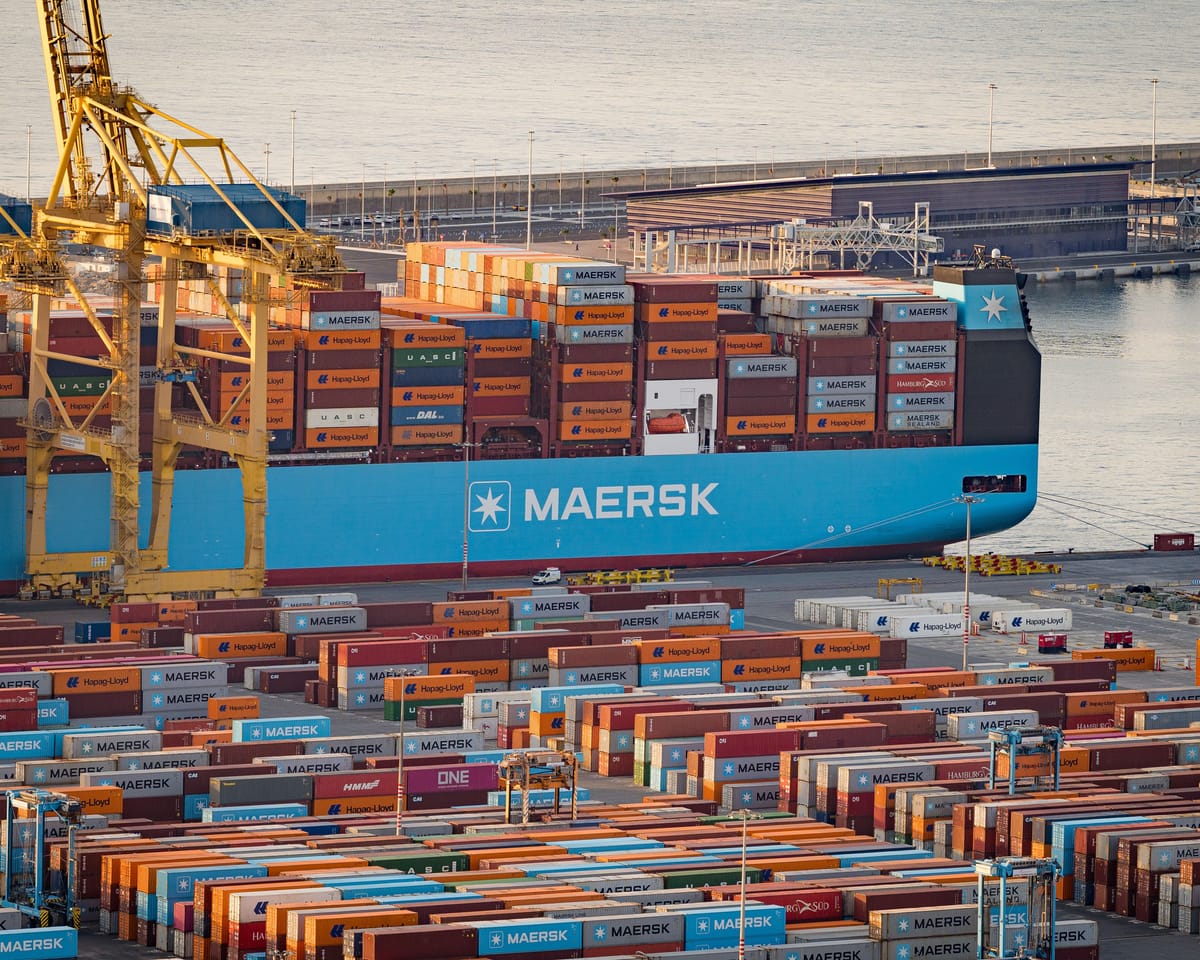
The EU is prepared to impose close to €100bn (£87bn) in tariffs on goods imported from the US, including bourbon whiskey and Boeing aircraft, if no trade agreement is reached with Donald Trump by next week.
On Wednesday, the European Commission announced its intention to merge two previously drafted lists of US products targeted in response to the US president’s import tariffs.
If approved, the measure would apply tariffs on items such as poultry and alcohol from the first list, worth €21bn, as well as on additional products like cars and planes from a second list valued at €72bn.
Pending approval from EU member states, with a vote expected soon, these retaliatory tariffs, totaling €93bn, could take effect from 7 August.
"The EU’s main goal is securing a negotiated resolution with the US," stated Olof Gill, a trade spokesperson for the European Commission, adding that preparations for all possible outcomes were ongoing. “To streamline the response, we will combine both lists into one," he explained.
Earlier on Wednesday, EU trade commissioner Maroš Šefčovič was scheduled to speak with US commerce secretary Howard Lutnick before briefing EU ambassadors.
Sources indicate that frustration is growing in Brussels after the US president dismissed a preliminary agreement ten days ago and intensified pressure by threatening across-the-board tariffs of 30% starting 1 August if no deal is reached.
Germany, which has openly urged a swift resolution to eliminate the damaging 27.5% tariffs on its automotive sector, now leans toward applying the anti-coercion instrument (ACI), an EU rule viewed as its strongest deterrent against economic pressure.
The ACI would allow the EU to respond with a range of measures, including tariffs and possible restrictions on US services, significantly impacting the tech industry.
The automotive sector has been hit especially hard. Stellantis, which owns Jeep and Vauxhall, stated this week that the tariffs have already cost it €300m, while Volvo reported a sharp drop in its second-quarter earnings.
French president Emmanuel Macron has repeatedly urged the EU to take a stronger stance against Trump’s trade measures.
Both Germany and France discussed the ACI during a meeting of ambassadors last Friday.
“The tone has shifted, but it remains uncertain whether they would take definitive action,” remarked a diplomatic source in Brussels.
Tobias Gehrke, a senior policy analyst at the European Council on Foreign Relations, suggested the EU missed an opportunity by not signaling its readiness to use the ACI following a trade ministers’ summit last week, shortly after the US threatened 30% tariffs.
“Many feel the EU has mishandled the situation despite having leverage,” he said. “A quicker response to US tariffs was needed.”
Read next
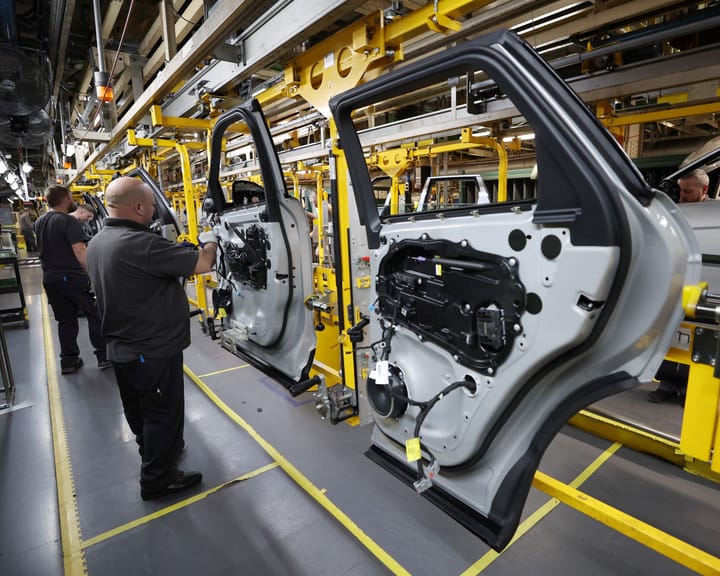
Jaguar Land Rover suppliers voice ‘everything is against us’ amid cutbacks
David Roberts, chair of Coventry-based Evtec, says the outlook for Britain’s automotive sector is grim, with “everything against us.” Evtec is a tier 1 supplier to Jaguar Land Rover, which this week announced 4,000 job cuts over two years despite chancellor John Healey’s attempt to talk
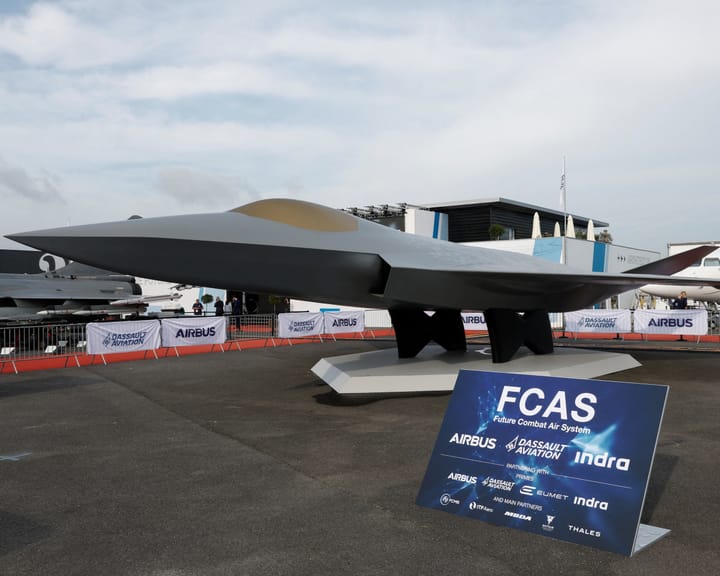
Europe’s fighter jet plans in disarray: what comes next?
When former ECB president and Italian PM Mario Draghi urged Europe to catch up economically with the US and China, defence collaboration was prescribed. No more should each nation build independent boats, tanks or jets; allies should share costs and technologies.
Europe stumbled at the first hurdle. German Chancellor Friedrich
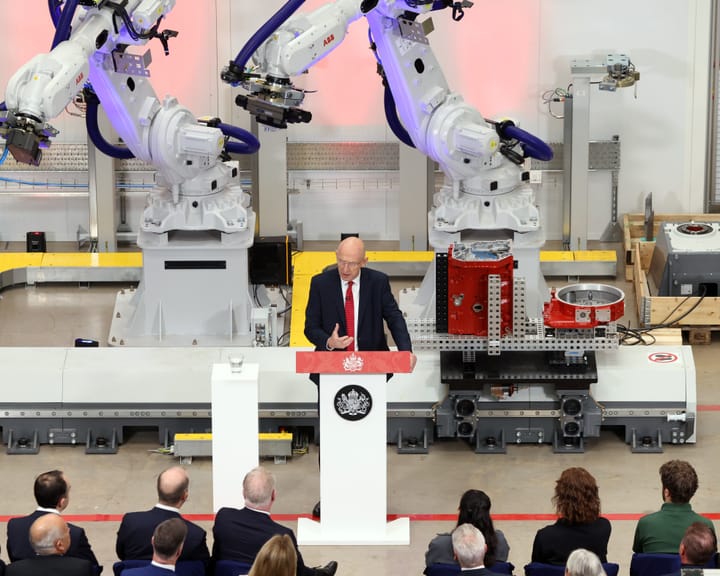
John Healey supports growth but insists Labour must be truthful about spending
John Healey has stated that his primary goal as chancellor will be to boost economic growth, while acknowledging that Labour must be straightforward about controlling public spending at next month's budget.
In his first major address since assuming the role in July, Healey said the leading focus of