
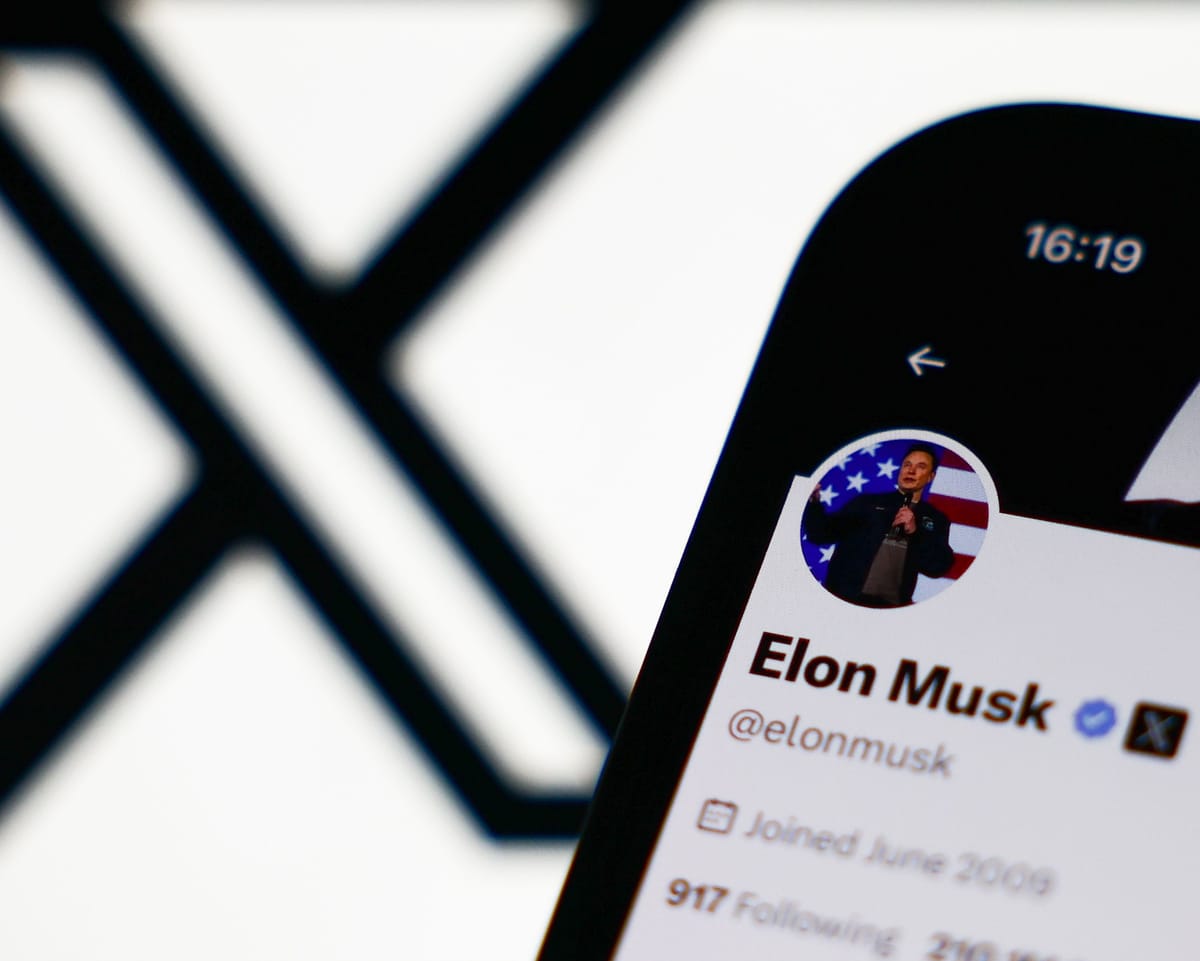
The social media platform X, owned by Elon Musk, has been ordered to pay a €120 million (£105 million) penalty for violating new EU digital regulations—a significant ruling expected to escalate tensions between the European Commission and the US entrepreneur, and possibly former US President Donald Trump.
After a two-year review, the EU identified breaches including the platform’s use of a misleading verification system involving purchasable blue checkmarks, and insufficient clarity regarding advertising practices.
Under the Digital Services Act (DSA), tech firms must publish lists of advertisers to prevent fraudulent promotions, illegal scams, and manipulative campaigns, particularly during elections.
A third violation involved X’s refusal to grant researchers access to public data, which is commonly used to monitor politically sensitive material.
This decision by the European Commission marks a key step in closing a probe initiated two years ago. Officials confirmed on Friday that X violated transparency obligations outlined in the DSA—the first penalty against any platform since these content regulations took effect in 2023.
Late last year, the commission launched formal proceedings to investigate potential DSA breaches tied to illegal content spread and inadequate efforts to counter misinformation. That inquiry remains ongoing.
The DSA allows fines of up to 6% of a company’s global revenue—for X, estimated at $2.5–$2.7 billion (£1.9–£2 billion) this year.
Three additional investigations are pending, two addressing content and algorithmic changes since Musk’s acquisition and rebranding of Twitter in October 2022.
One focuses on potential breaches related to incitements to violence or terrorism; another examines the effectiveness of X’s system for reporting illegal content.
Officials detailed the €120 million penalty as three separate fines: €45 million for the paid verification system, which obscured account authenticity; €35 million for advertising violations; and €40 million for blocking researcher data access.
The ruling may further strain EU-US relations. Recently, US Commerce Secretary Howard Lutnick urged EU regulators to revise tech policies in exchange for reducing steel tariffs by 50%.
Read next
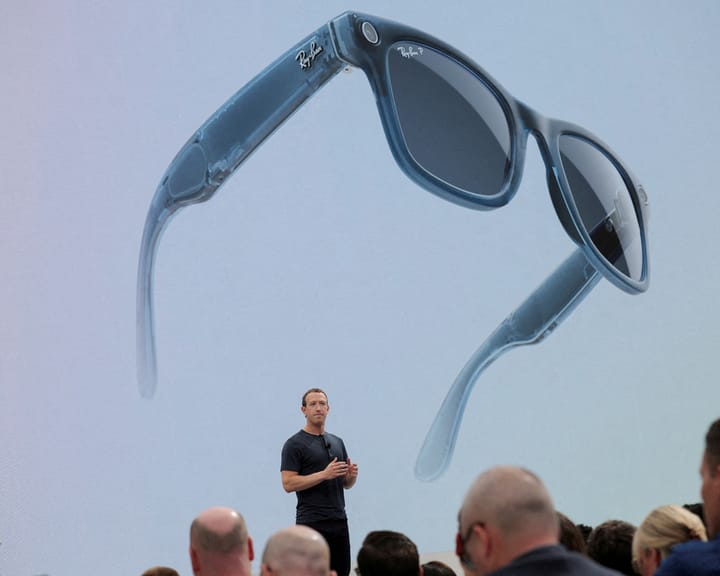
US officers worry Meta smart glasses could covertly record them
In January, the NYPD’s counterterrorism unit warned officers about a new security threat: Ray-Ban Meta glasses. A memo directed officers to “conduct thorough inspections of all eyewear permitted within inmate cells,” cautioning that recently arrested individuals could use the devices’ small cameras and microphones to record inside police
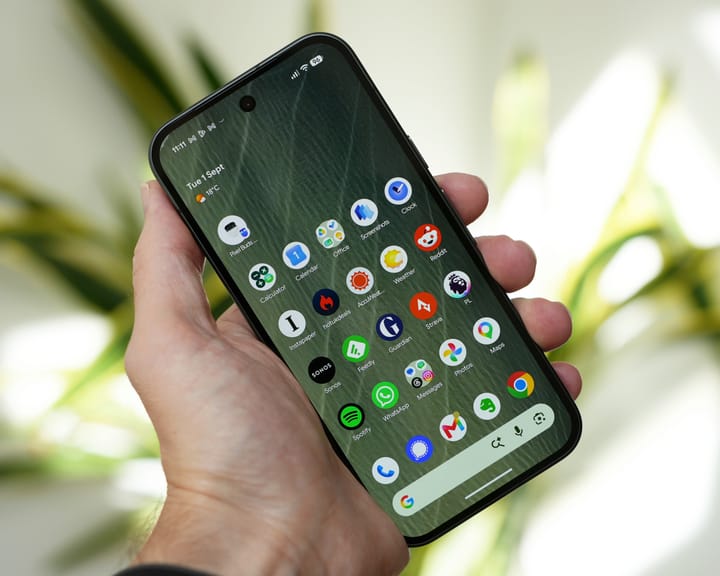
Google's Pixel 11 sets new standard for flagship phones, review finds
Google’s Pixel 11 continues to define what a base flagship phone should deliver, with leading cameras, extended software support and nearly all the features of its pricier siblings.
The standard Pixel 11 is priced at £879 (€999/$899/A$1,499), £80 higher than its previous version, reflecting ongoing

AI Expert Father of Three Shares Essential Insights for Parents on Artificial Intelligence
A father once promised his child they would write a story together called "The Day Nobody Went to Disneyland." The plot imagined a perfect day when the entire world avoided the park, expecting crowds, leaving it completely empty for a father and child to enjoy alone. Three decades